Belarus Approves the Country’s First Crypto Banks: Report
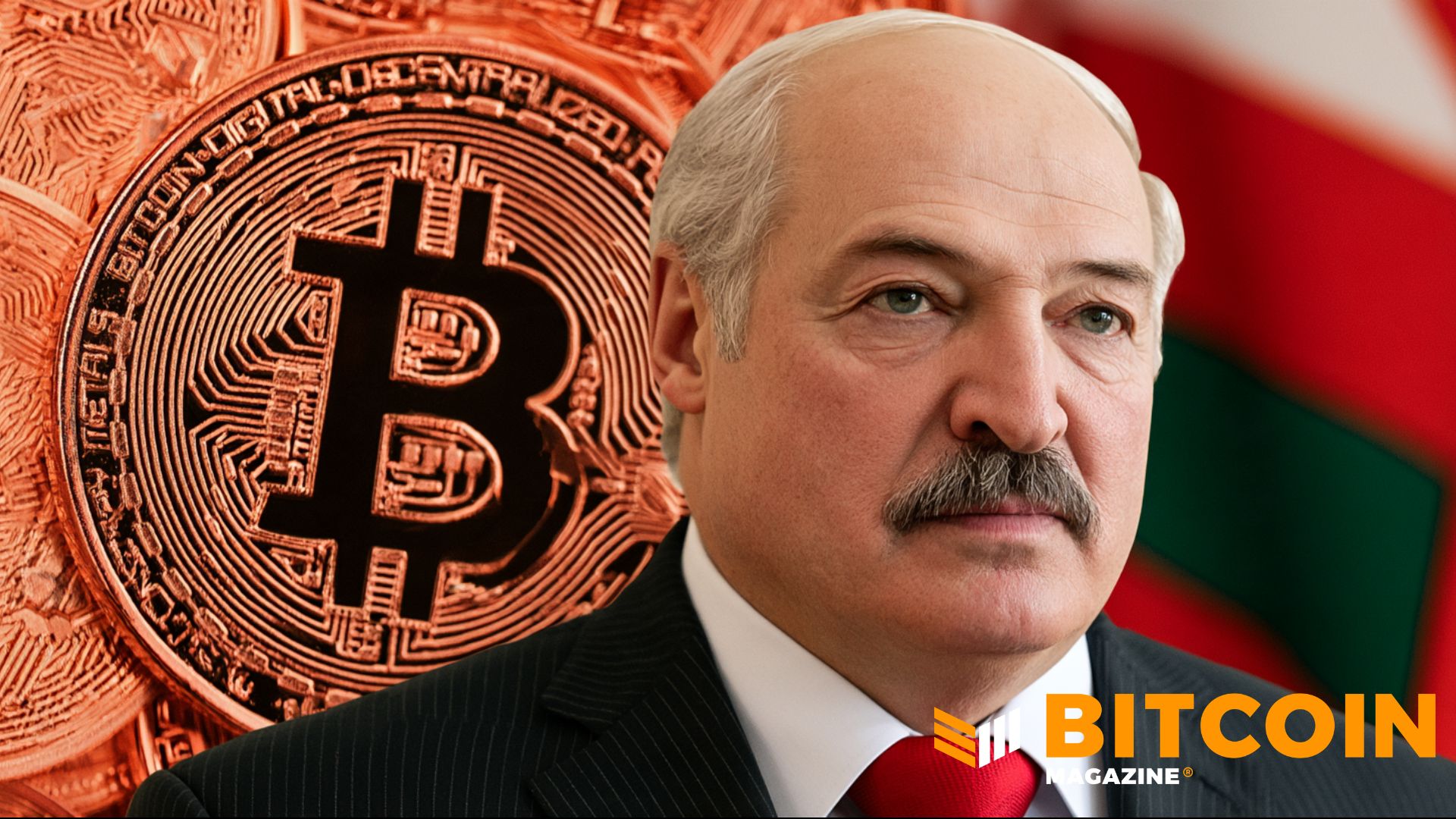
Bitcoin Magazine Belarus Approves the Country’s First Crypto Banks: Report Belarus earlier this year signed a legal framework for crypto banks in the country. This post Belarus Approves the Country...
Belarus earlier this year signed a legal framework for crypto banks in the country.
The first crypto banks have opened in Belarus, according to reports, after the European country earlier this year created a legal framework for Bitcoin banks.
While not yet named, the crypto banks will start operations after obtaining accreditation from the National Bank of Belarus, Russian news agency Interfax reported Monday.
Back in January, Belarusian President Alexander Lukashenko signed Decree No. 19 “On Cryptobanks and Certain Issues of Control in the Field of Digital Tokens,” officially creating a legal framework for bitcoin and crypto banks in the country.
JUST IN: 🇧🇾 The first two "crypto banks" in Belarus have been approved. 👀“This will facilitate closer integration between traditional finance and the crypto industry." pic.twitter.com/Y5CHD00SkP
“The practical outcome of today’s discussion is the launch and registration of the first crypto banks in the country’s history,” Interfax reported the press service of High-Tech Park saying in a statement.
High-Tech Park is a tax and legal regime in Belarus. Digital asset transactions are permitted in the zone.
The statement added that banks would be regulated by Hi-Tech Park and the National Bank.
Dmitry Kalechits, first deputy director of the High-Tech Park supervisory board secretariat, was quoted saying that the move would “improve the flow of the financial ecosystem” and drive foreign investment to Belarus.
President Lukashenko last September backed the National Bank’s initiative to establish crypto banks in the country.
The country has long pushed pro-crypto regulations. A 2017 decree legalised crypto mining and trading and temporarily exempted individuals’ crypto income from tax and declaration. That exemption was extended to 2025 and has since been narrowed, with income from foreign platforms now taxed at 13%.
Lukashenko has repeatedly promoted Bitcoin mining as a use for surplus electricity, and in 2025 the Mogilev region began preparing sites for mining farms with his backing.
Asanat Analysis — Why it matters
Belarus's approval of crypto banks represents a rare regulatory green-light in Eastern Europe, signaling state acceptance of digital asset intermediaries rather than outright prohibition. This follows the country's 2017 High-Tech Park initiative and reflects a shift toward banking infrastructure for an asset class most nations still treat with heavy restrictions or exclude from traditional finance entirely. The move echoes El Salvador's Bitcoin adoption but operates at institutional scale—crypto banks require custody, lending, and payment rails that suggest Belarus is building operational DeFi infrastructure rather than symbolic adoption.
The geopolitical context matters: Belarus faces Western sanctions and banking isolation, making alternative financial rails attractive despite limited global capital flows. Domestic crypto banking adoption could fragment global stablecoin and payment networks, creating parallel rails in sanctioned economies. For the broader sector, this signals institutional acceptance in non-Western jurisdictions is accelerating, though liquidity and counterparty risk remain structural constraints. Watch whether other post-Soviet or BRICS-aligned nations follow—this could fragment the regulatory landscape further and create compliance complexity for multinational exchanges and platforms.