Bitcoin hashrate hits seven-month high as AI shift fails to ease mining competition
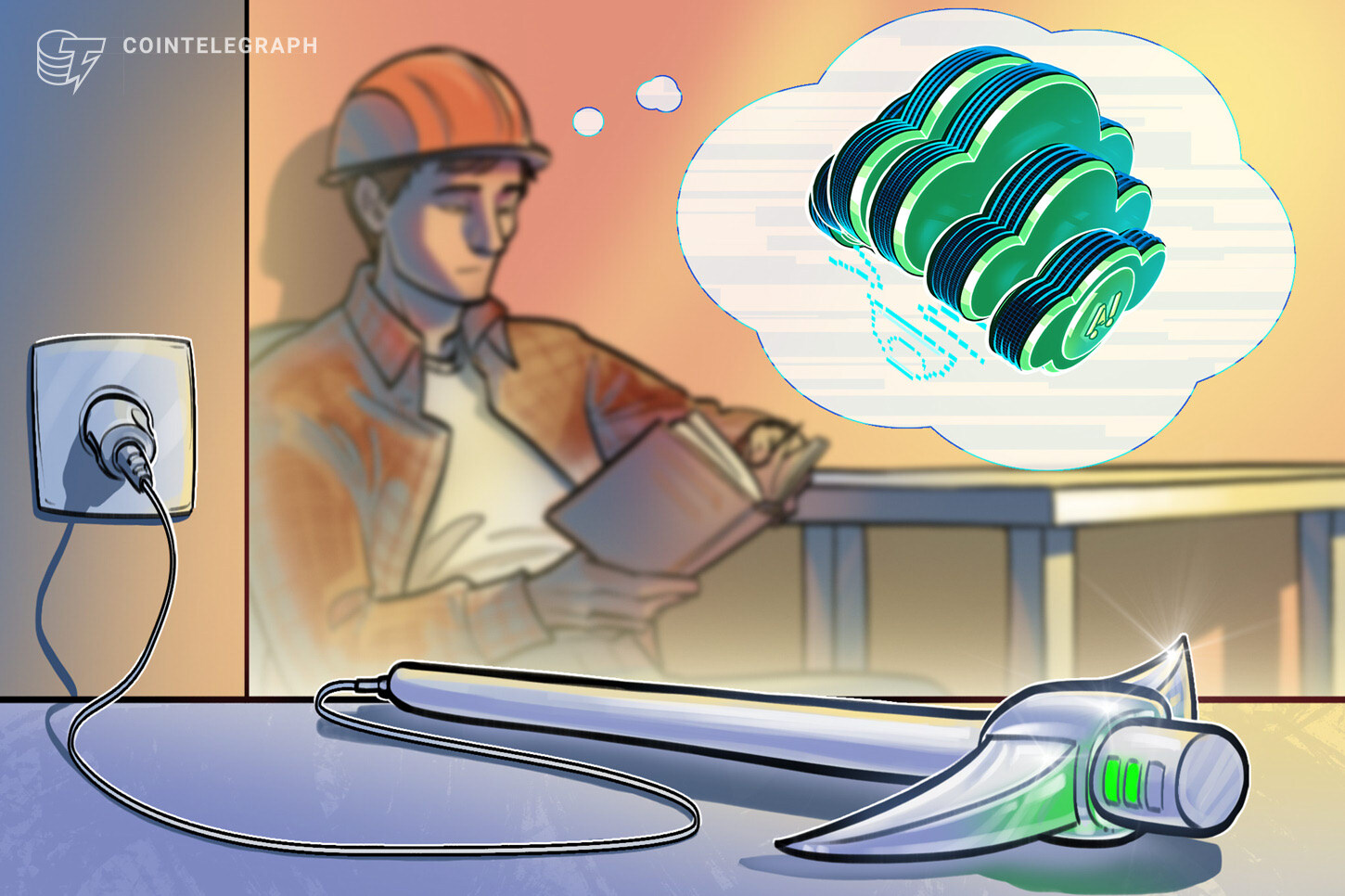
According to BlocksBridge, Bitcoin’s mining difficulty is rising despite the industry’s AI transition, with smaller operators potentially absorbing equipment abandoned by larger competitors.
Asanat Analysis — Why it matters
Bitcoin's hashrate surge to a seven-month high signals that the industry's expected AI transition has not reduced mining competition—a key assumption many made about 2026 hardware cycles. Instead of consolidation, smaller operators appear to be acquiring ASIC equipment divested by larger players pivoting to AI infrastructure, creating a diffusion effect rather than a supply shock. This mirrors historical patterns: difficulty increases typically reflect stable or growing aggregate compute commitment, not migration.
The persistence of mining competition despite capital reallocation carries two implications. First, it suggests AI demand hasn't created a decisive economic arbitrage that pulls mining hardware offline permanently—suggesting either AI margins remain competitive with mining ROI or miners are hedging bets across both sectors. Second, smaller players absorbing abandoned equipment could increase mining's geographic and operational distribution, complicating future difficulty adjustments and making network security more resilient to single-point failures. This decentralizes hashrate in ways large-scale ASIC manufacturers may not have anticipated.