Bitcoin traders brace for Fed hike, but a surprise hold could pose bigger risk
Bitcoin is stuck near $80,000 as traders build stablecoin positions that could return to the market once Fed uncertainty clears.
Bitcoin BTC$75,890.85 traders aren't exactly panicking about Wednesday's expected Federal Reserve rate hike, but they aren't taking many chances either.
Markets are pricing a 92.5% chance the Fed raises rates for the first time in three years after strong employment data and stubborn inflation. Bitcoin has spent the past 24 days stuck between roughly $76,000 and $80,000, with volatility falling to a one-month low.
“The bond market has done its job and fully priced in tomorrow’s hike,” said Chris Sullivan of Hyperion Decimus. In his view, the bigger shock could come if the Fed doesn't hike, since that could leave investors wondering what policymakers see that markets don't.
Talos has seen a 28% net buying tilt toward stablecoins ahead of the meeting, according to research analyst Cooper Duschang. Around previous Federal Open Market Committee meetings, investors showed an average 8% selling tilt toward stablecoins.
Appetite for the two largest cryptocurrencies has moved in the other direction. Bitcoin buying conviction has dropped to 3% from 10%, while ether ETH$2,403.92 has fallen to 9% from 23%.
“The clearest shift has been into stablecoins,” Duschang said. Investors, he said, appear to be “reducing risk and holding greater liquidity ahead of the Fed.”
The bigger question for Wednesday afternoon is where that sidelined cash goes once the Fed decision is out of the way.
There is some precedent for a muted initial reaction. Bitcoin barely budged around the Fed's last rate hike in July 2023, Duschang said, with the move largely priced in before the announcement.
The derivatives market isn't showing much anxiety either. K33 Research said open interest across bitcoin futures and perpetuals remains below its yearly average, with little evidence of the kind of leverage that can turn a routine selloff into a wave of liquidations.
Oil is the wildcard. Crude has risen more than 20% over the past five days, according to Mark Connors, chief investment officer at Risk Dimensions. Higher energy prices could add to inflation even as the Fed tries to contain it with higher borrowing costs.
Connors described another hike as “using a pitchfork to bail out our boat of inflation,” arguing that monetary policy can't easily fix inflation caused by an oil supply shock.
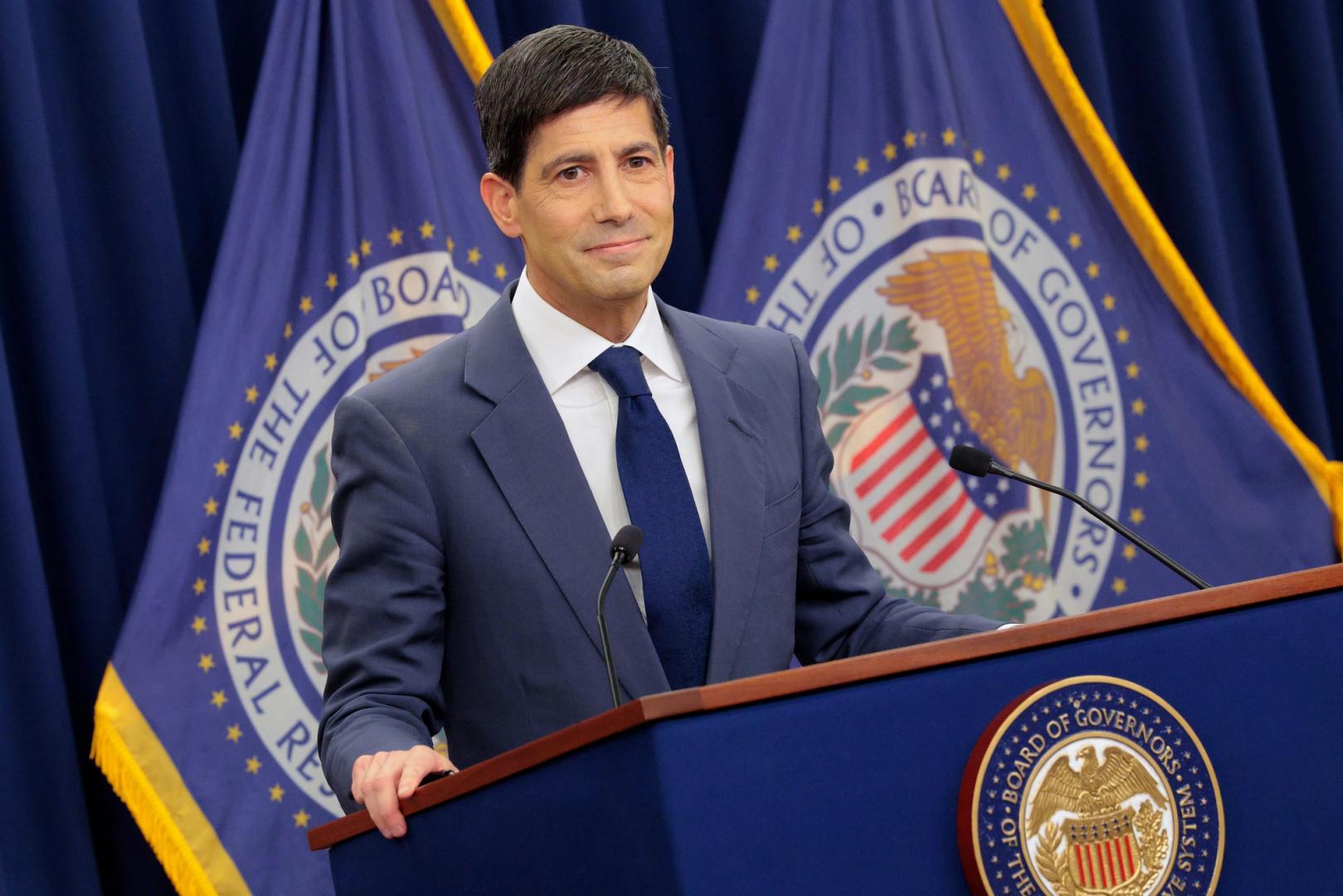
For bitcoin, Wednesday may therefore be less about whether the Fed delivers the hike everyone expects and more about what Fed Chair Kevin Warsh says comes next.
Duschang will also be watching the stablecoins traders have accumulated. If that money starts moving back onto exchanges after the announcement, traders who spent the run-up getting defensive may be getting ready to put risk back on.
As stablecoins move into regulated finance, APAC is becoming a key proving ground. This report maps the region’s rules, use cases, and RLUSD’s role.
Asanat Analysis — Why it matters
The article frames Wednesday's Fed decision as largely priced in—markets assign 92.5% probability to a hike—yet identifies a structural imbalance that could determine the post-announcement move. Crypto traders have shifted 28% net buying interest into stablecoins (versus 8% average at prior FOMC meetings), effectively sidelining $10+ billion in dry powder. This isn't panic but deliberate liquidity hoarding, suggesting traders expect volatility resolution rather than capitulation. The real risk isn't the hike itself but a hold, which would signal Fed concern unpriced by markets and potentially trigger sharp repricing across risk assets including crypto.
Two second-order dynamics matter here. First, the stablecoin accumulation pattern indicates mature market behavior—traders are using Fed events to de-risk tactically rather than structurally exiting. Bitcoin leverage remains 'subdued' and open interest below yearly average, meaning the infrastructure for a liquidation cascade doesn't exist. Second, oil's 20% five-day rally injects uncertainty into Fed forward guidance: energy-driven inflation can't be solved by rate hikes alone, potentially constraining Warsh's hawkish rhetoric. If the Fed signals pause or pivot post-hike, sidelined stablecoins could flow back quickly. If guidance remains aggressive despite oil concerns, that clash signals policy confusion—bearish for all risk.