Bitget CEO suspects North Korea behind $352M hack, citing IP clues
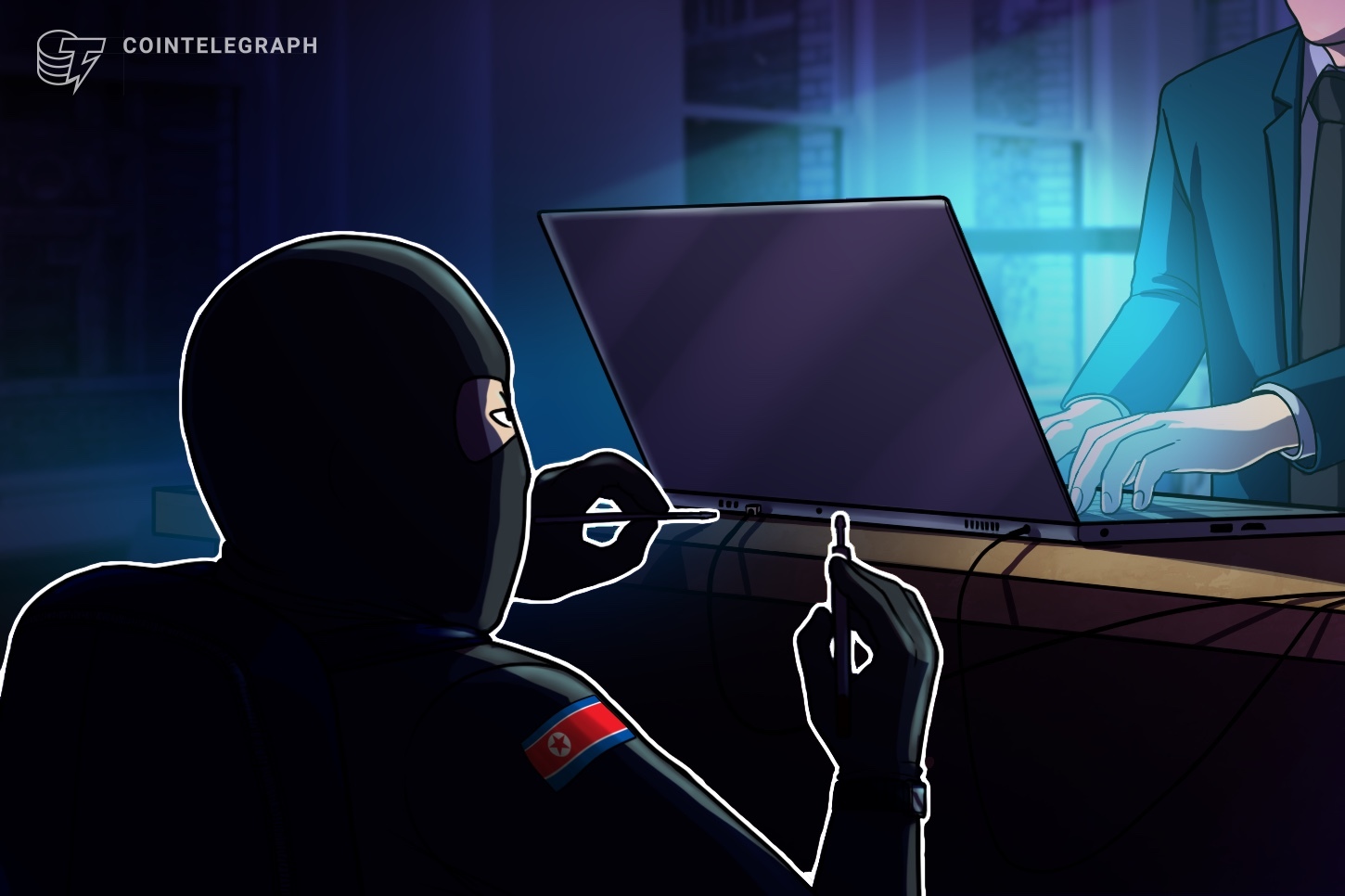
Bitget CEO Gracy Chen said a preliminary investigation found IP addresses matching VPN choices associated with a DPRK hacking group.
Asanat Analysis — Why it matters
Attribution claims in exchange hacks require extreme caution. IP addresses and VPN patterns are easily spoofed; sophisticated threat actors routinely use false flags to misdirect investigators. The DPRK's Lazarus Group has conducted major crypto heists, but so have Eastern European and Russian-speaking criminal syndicates that intentionally mimic state-actor tradecraft. Without forensic evidence of code signatures, wallet movement patterns, or infrastructure reuse verified by independent security firms, IP-based attribution alone carries minimal evidentiary weight.
A $352M loss represents material damage to Bitget's insurance standing and user confidence, but the attribution narrative matters more than the theft itself for market sentiment. If credible third-party analysts (CertiK, TRM Labs, Chainalysis) corroborate DPRK involvement, it could trigger regulatory responses on sanctions grounds—affecting how exchanges manage DPRK-linked wallets and potentially increasing AML/CFT compliance costs sector-wide. Conversely, if attribution proves weak, it signals either poor incident response communication or deliberate misdirection, both negative signals for exchange governance.
This incident reinforces the recurring pattern: centralized exchange custody remains a concentration risk despite billions in insurance policies. It also highlights how geopolitical attribution disputes can create secondary market friction—regulators, insurers, and exchanges will demand higher evidence thresholds going forward, raising operational costs.