Caitlin Long: Fiscal Dominance, Stablecoins & the Macro Case for Bitcoin
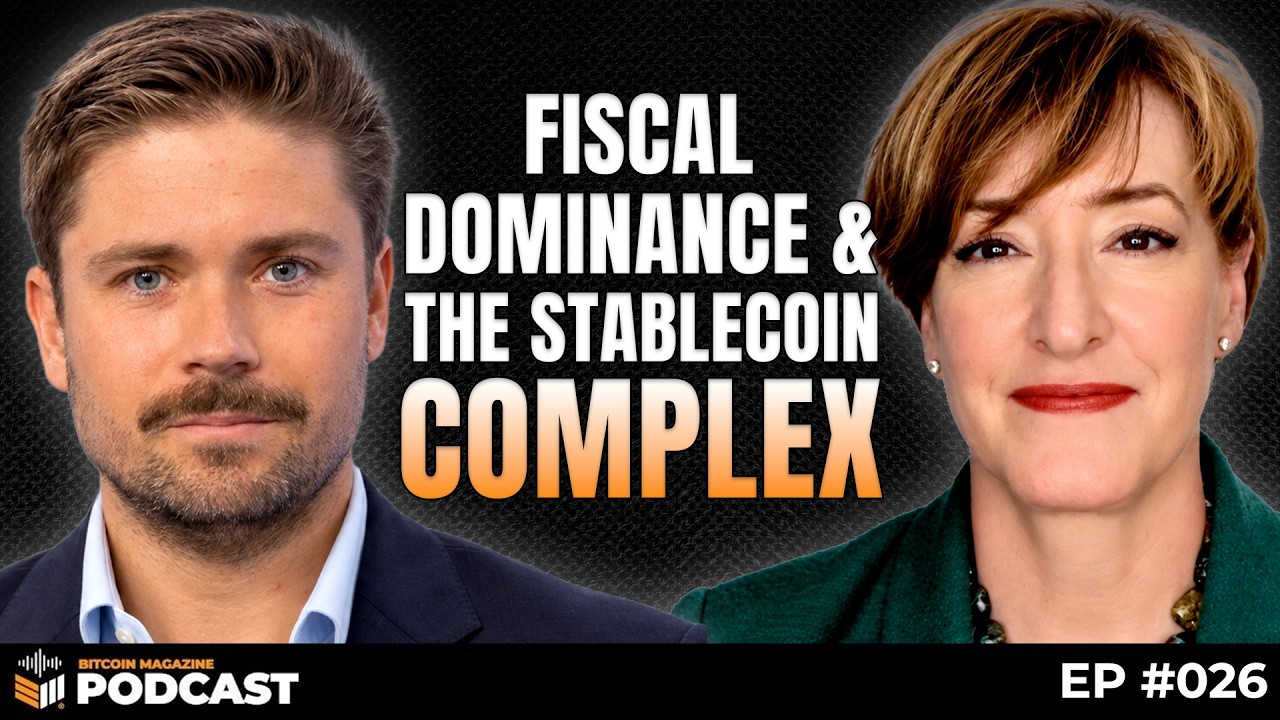
Bitcoin Magazine Caitlin Long: Fiscal Dominance, Stablecoins & the Macro Case for Bitcoin Will tokenized deposits crowd out stablecoins? Custodia Bank's Caitlin Long explains why bringing tokeniz...
Will tokenized deposits crowd out stablecoins? Custodia Bank's Caitlin Long explains why bringing tokenization to traditional banks is the bigger story.
Will tokenized bank deposits crowd out stablecoins? Caitlin Long, founder and CEO of Custodia Bank, says stablecoins are about $300 billion against roughly $5.7 trillion in traditional demand deposits, and that bringing tokenization into the banking system could be the bigger story. She also explains why the Treasury wants tokenized dollars and what the Fed is doing about it.
Chapters:0:00 Fiscal Dominance and “Nothing Stops This Train”: Intro to Caitlin Long1:53 Why Washington Is Pushing Tokenized Dollars and Where the Fed Stands3:28 Tether, New Treasury Demand, and the GENIUS Act Rules7:14 Community Banks vs. Megabanks: The Deposit Flight Debate13:03 SVB, AI Agents, and a Banking Model Under Pressure16:26 The Eurodollar Parallel and the Fed’s Reluctance19:29 Tokenized Deposits vs. Stablecoins, and Tokenized Equities26:50 Treasury Market Stress, Fed Hikes, and the AI Debt Question30:24 Bitcoin as Digital Gold: Retail Ownership and Holding Long Term35:25 Treasury Buybacks, Lessons From Volcker, and Life After the Clarity Act
DISCLAIMER: The views and opinions expressed in this show are those of the participants and do not necessarily reflect the official policy or position of BTC Inc., Bitcoin Magazine, or any affiliated entities. This content is provided for informational and educational purposes only and should not be construed as investment, legal, tax, or accounting advice. Nothing contained in this show constitutes a solicitation, recommendation, endorsement, or offer to buy or sell any securities or financial instruments. Viewers should consult their own advisors before making financial or business decisions.
Asanat Analysis — Why it matters
Caitlin Long's framing of tokenized deposits as an alternative to stablecoins signals a structural shift in how crypto infrastructure could compete with traditional banking rails. Tokenized deposits—direct on-chain representations of bank liabilities—sidestep the regulatory and counterparty risks that have constrained stablecoin adoption post-FTX and post-USDC depegging events. This distinction matters because it positions Custodia Bank's charter-based approach as regulatory-arbitrage-resistant, unlike fully-collateralized stablecoins that remain subject to ongoing SEC scrutiny and banking regulations.
Long's invocation of 'fiscal dominance'—the condition where government spending outpaces monetary tightening capacity—contextualizes Bitcoin within macroeconomic fragility rather than as a technology narrative. This framing appeals to institutional and sovereign actors concerned with currency debasement and capital controls, not retail traders chasing yields. It also signals that the stablecoin vs. tokenized deposit debate is ultimately about confidence in fiat monetary policy, making the outcome dependent on fiscal trajectories rather than product innovation alone.
The timing reflects ongoing tension between crypto's decentralization ethos and pragmatic regulatory accommodation. Custodia's slow regulatory path—chartered but operationally constrained—hints that institutional adoption may proceed through hybrid structures blending banking regulation with blockchain settlement, rather than through purely peer-to-peer systems.