Crypto-friendly institution Franklin Templeton brings its tokenized collateral service to Bybit
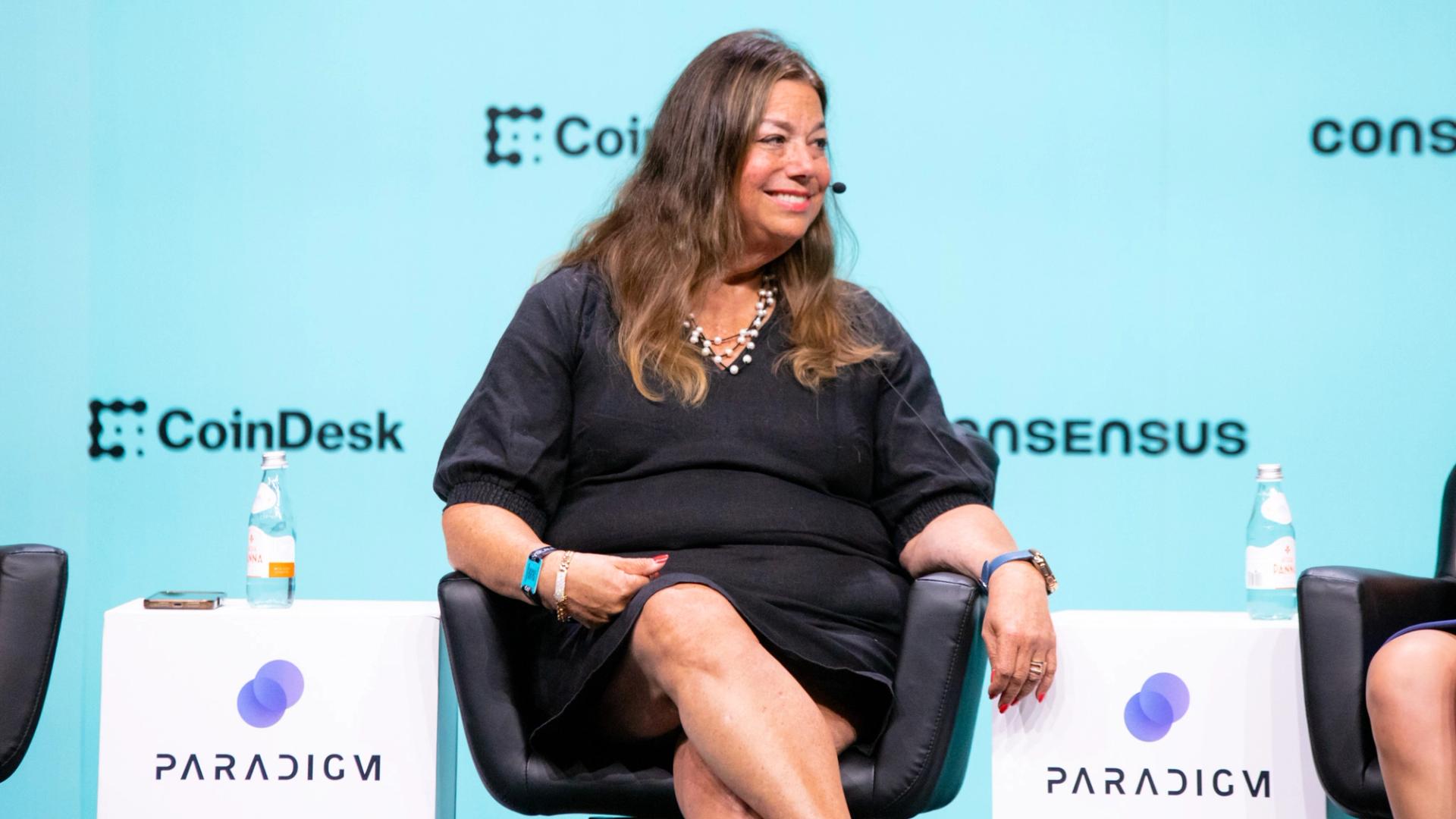
Franklin Templeton’s tokenized money market shares can be used as collateral for USDT or USDC trading credit lines on Bybit while earning yield on the underlying assets.
Digital asset-friendly financial institution Franklin Templeton is expanding its “off-exchange collateral program" to Bybit, allowing the exchange’s users to use shares in Franklin Templeton’s tokenized money market funds for crypto trading.
The partnership allows investors and wallet holders on the exchange to pledge shares, which represent about $686 million in net assets, as collateral to borrow stablecoins USDT or USDC while earning yield on the underlying assets, according to a press release on Monday.
The key point is that users will not have to move the underlying assets to Bybit. Instead, regulated custody platform ByCustody will hold the underlying assets off-exchange, with the value mirrored in Bybit's trading environment to enable yield generation while unlocking trading liquidity, the release said.
This is not Franklin Templeton's first off-exchange collateral partnership; the firm also offers its tokenized money market funds to customers of Binance and OKX. The work continues the buildout of collateral mirroring in the crypto space and the opportunities that brings, said Sandy Kaul, Head of Digital Assets and Innovation at Franklin Templeton.
“So now I'm able to really look across the top exchanges and be able as an investor to use my collateral more optimally while earning yield on it,” Kaul said in an interview. “That to me is a critical unlock to really allow the ecosystem to grow. It's also a wonderful opportunity for us as an asset manager to be designing products specifically for this wallet-based investing channel.”
The shares are issued through the Benji Technology Platform, Franklin Templeton's proprietary blockchain-integrated record keeping and transfer agency infrastructure. Benji's currently pays a 3.7% annualized yield, based on the latest seven-day rate.
The expansion reflects a broader industry pattern. Several crypto platforms accept tokenized funds as collateral for trades. Crypto.com and Deribit, for example, allow eligible institutional and professional users to use BlackRock’s BUIDL fund to back trades, including derivatives positions.
As stablecoins move into regulated finance, APAC is becoming a key proving ground. This report maps the region’s rules, use cases, and RLUSD’s role.
Asanat Analysis — Why it matters
Franklin Templeton's expansion of tokenized collateral onto Bybit signals institutional on-ramp infrastructure maturing at the execution layer. By enabling FT's money market tokens (FMMC or similar yield-bearing assets) as collateral for stablecoin credit lines, the partnership reduces friction for institutions to earn yield while maintaining liquidity—a direct answer to the 'cash drag' problem that kept traditional finance sidelined from crypto markets. This mirrors earlier FT moves (Polygon integration, Solana ecosystem placement) but on a venue with 10M+ retail users, significantly expanding addressable adoption.
The structure—yield-earning collateral backing trading credit—replicates traditional repo mechanics in tokenized form. It matters because it normalizes crypto-native financial primitives for institutional capital without requiring participants to abandon return-seeking. Bybit's choice to integrate signals exchange operators viewing RWA/tokenized-asset integration as table-stakes for institutional volumes. Precedent: similar patterns preceded major institutional inflows in 2024 (Spot BTC ETF approvals, BlackRock on-chain infrastructure). Watch whether other venues (Binance, Crypto.com, OKX) follow within 6 months—adoption clustering would indicate institutional demand is genuine, not promotional.