European Central Bank President Blocked Binance’s EU Entry: Report
Bitcoin Magazine European Central Bank President Blocked Binance’s EU Entry: Report A Wall Street Journal report says that the central bank's boss, Christine Lagarde, who has previously bashed Bitcoi...
A Wall Street Journal report says that the central bank's boss, Christine Lagarde, who has previously bashed Bitcoin and is pro-CBDCs, stopped Binance getting a foothold in the European Union.
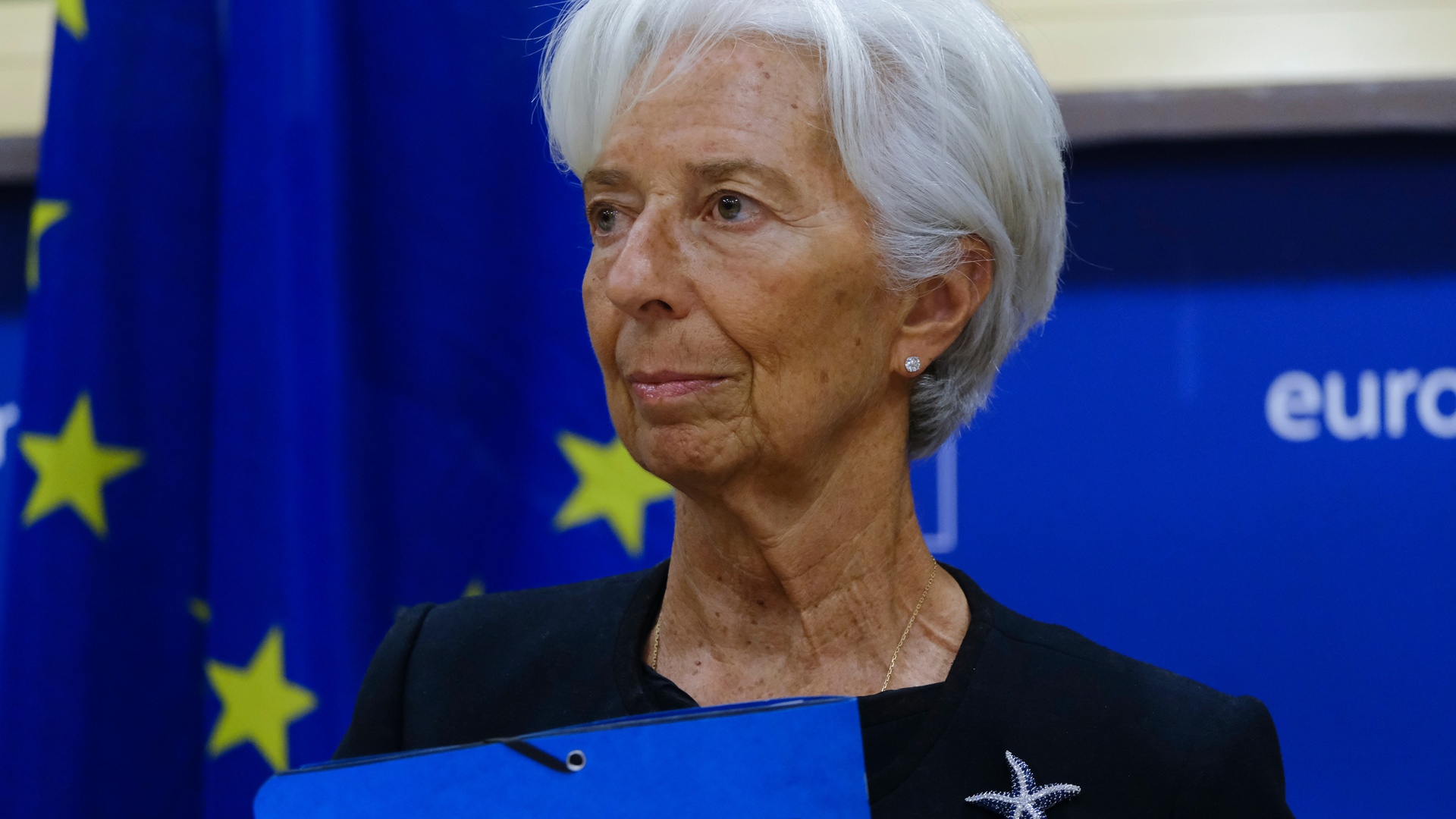
European Central Bank President Christine Lagarde stopped Binance from operating in the European Union, according to a Wall Street Journal report.
The newspaper on Thursday reported that the top crypto exchange was on the cusp of operating in the trading bloc but then was told it couldn’t after the central bank chief waded in.
EU law requires that local Crypto-Asset Service Providers (CASP) have a MiCA license. Binance does not. Binance in June withdrew its MiCA application in Greece.
“Lagarde wanted to keep the controversial crypto exchange, which pleaded guilty to financial-crime violations in the U.S., out of the European Union,” the newspaper report said, citing interviews with officials.
Lagarde has long been anti-Bitcoin and pro-central bank digital currencies. Back in 2021, Lagarde said that the leading cryptocurrency was “a highly speculative asset” used for money laundering. She also criticized cryptocurrencies as a whole and said central banks would never hold bitcoin.
On CBDCs, though, Lagarde takes a different approach. A CBDC is a digital form of fiat money, like the US dollar or euro; nations around the world are in different stages of researching and releasing them.
The EU under Lagarde is fast moving forward with a digital euro. Lagarde has described the digital euro as key to Europe’s financial autonomy while taking aim at privately issued stablecoins.
CBDCs have been criticized by bitcoiners and others in the crypto industry who think they could be used to surveil citizens. U.S. President Donald Trump signed an executive order banning CBDCs when he took office.
The WSJ report added, citing various interviews, that Lagarde was worried Binance would embed the dominance of dollar-based stablecoins in Europe, instead of encouraging euro counterparts.
Binance is the world’s biggest crypto exchange and billions of dollars in stablecoins are traded on its platform daily.
A controversial company, Binance and its CEO, Chanpeng Zhao, in 2023 pleaded guilty to anti-money-laundering violations and paid a record $4.3 billion fine.
Binance in June said it was still working to pursue MiCA authorization in another EU Member State.
Asanat Analysis — Why it matters
ECB leadership actively blocking a major exchange's regulatory entry marks an escalation from rhetorical skepticism to institutional gatekeeping. Lagarde's known opposition to Bitcoin—she's called it a speculative asset with no intrinsic value—now translates into concrete regulatory friction. This signals the ECB views crypto market infrastructure as a systemic risk vector worth obstructing outright, rather than supervising through standard licensing frameworks.
Binance's EU retreat (if confirmed) weakens the regulated on-ramp narrative that has dominated crypto policy discourse since 2023. It suggests central banks retain veto power over exchange licensing despite post-FTX regulatory architectures in Europe (MiCA). The precedent matters: if unelected central bankers can override market regulators' licensing decisions, it creates regulatory uncertainty that may push retail and institutional flows to decentralized venues or non-EU jurisdictions—the inverse of what EU policymakers claimed MiCA would achieve.