HSBC, Ant Digital test AI-agent payments using tokenized deposits
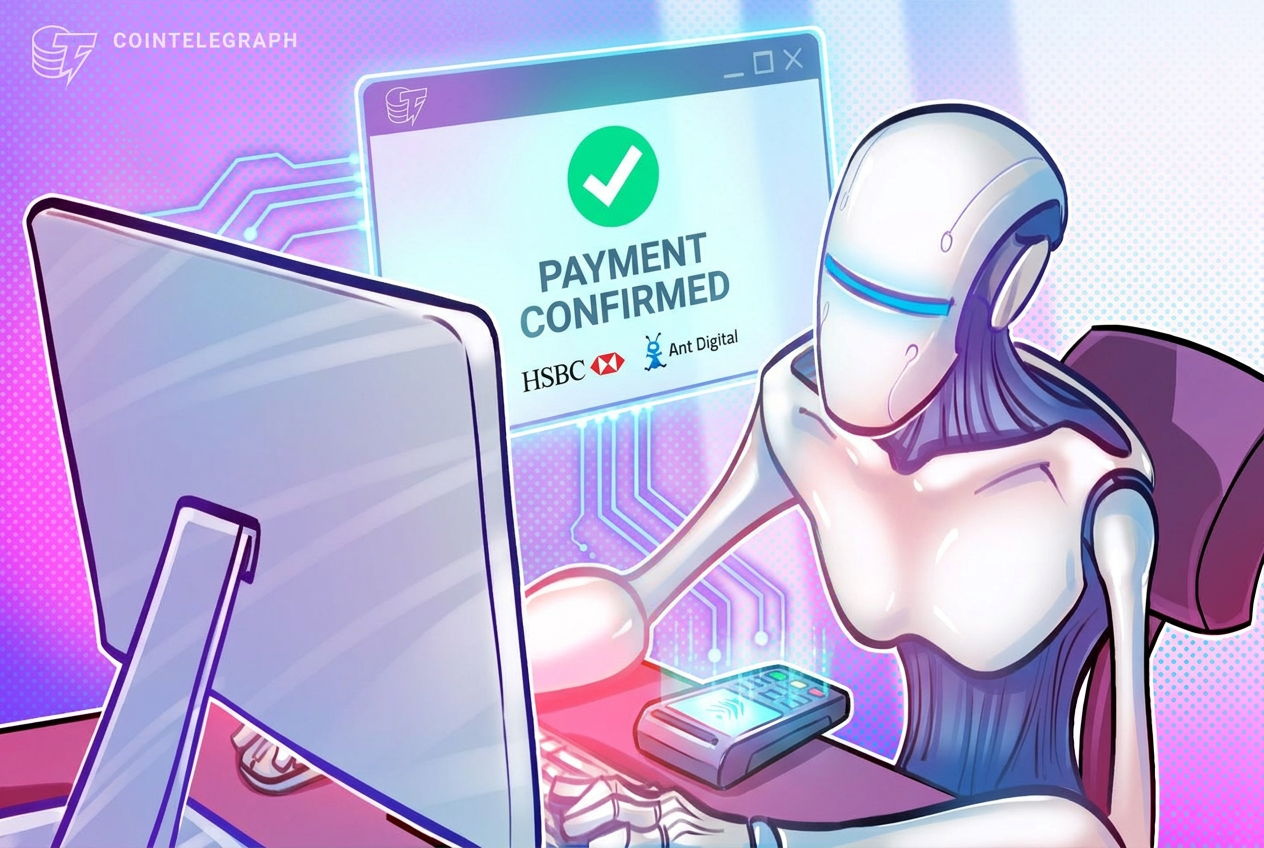
The technical trial showed how AI agents could discover services and make micropayments using HSBC’s tokenized deposits, with real-time settlement and risk checks.
Asanat Analysis — Why it matters
This trial signals institutional crypto infrastructure moving toward autonomous execution at scale. HSBC and Ant Digital testing AI agents against tokenized deposits represents a shift from custody-only banking involvement to active participation in programmable money flows. The 'service discovery' mechanism—where agents autonomously identify and transact with counterparties—is the technical primitive needed for DeFi-like efficiency within regulated rails. Real-time settlement and embedded risk checks indicate these institutions are solving the operational friction that has kept traditional finance separate from crypto rails.
Historically, tokenized deposits have been regulatory theater without clear use cases; this trial sketches the killer app: autonomous agent execution without custody or smart contract risk. If micropayments via AI agents prove operationally sound at HSBC scale, it normalizes programmable payments for the 60+ major banks now exploring tokenization. The shift matters because it validates a hybrid model—institutional settlement layers running alongside DeFi—rather than wholesale replacement. This also signals confidence that AI agents can execute within compliance frameworks, a prerequisite for enterprise adoption that many fintechs assumed impossible.