Japanese visitors may be able to pay with yen stablecoins in South Korea under Shinhan-SBI pact
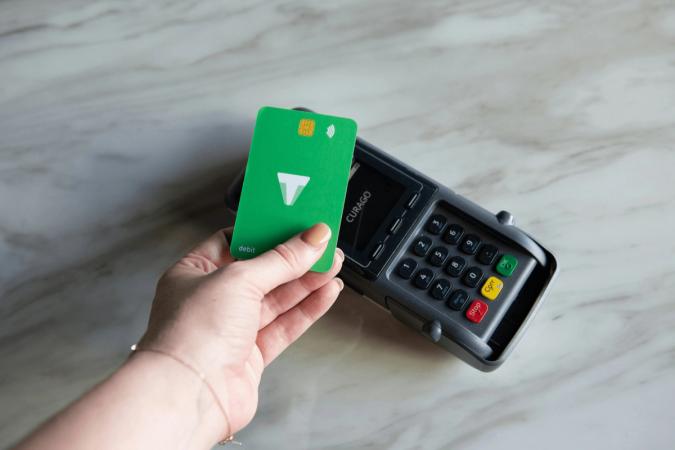
The collaboration will explore card-linked merchant payments for Japanese visitors in South Korea and peer-to-peer wallet transfers among broader cross-border trade remittances.
Japanese visitors to South Korea might one day be able to transact using yen stablecoins linked to payment cards following experiments conducted by South Korean card issuer Shinhan Card and subsidiaries of the Tokyo-based financial services company SBI Holdings.
Shinhan Card, a unit of Shinhan Financial, is working with cryptocurrency exchange SBI VC Trade and trade finance blockchain company SBI XDC Network APAC to explore yen-backed stablecoin payments between the two countries, SBI Holdings said.
The companies will also study wallet-to-wallet transfers and the use of stablecoins to settle cross-border trade payments. Their work will include systems to detect suspicious transactions and meet anti-money laundering rules.
The process remains at an early stage. The firms have not named the stablecoin they plan to test or set a timeline for trials, let alone a commercial launch.
SBI already distributes JPYSC, a yen-backed stablecoin issued by SBI Shinsei Trust Bank and introduced with Startale Group in June. The token had about 20.1 billion yen ($127 million) in circulation as of Sept. 7, according to SBI VC Trade.
JPYSC is limited to SBI VC Trade accounts and cannot yet be moved to external wallets. Its circulation on public blockchains also depends on legal and tax clarity and regulatory approval. The companies have not said whether JPYSC will form part of the test program.
Shinhan Card, which serves around 20 million cardholders, said it would link the project to Shinhan Financial’s broader digital-asset push, which includes an August agreement with Visa to explore stablecoin issuance, transfers and card settlement.
Diversified RWA stablecoins sustain 5-7% yield from real credit as crypto funding compresses to ~4%. GENIUS pushes yield off-chain; TAM grows to $4B in 3 years.
Asanat Analysis — Why it matters
This Shinhan-SBI partnership signals bilateral acceptance of stablecoins for real-world commerce rather than speculative trading—a maturation milestone for Asia-Pacific crypto adoption. Japan's regulatory framework (Payment Services Act) and South Korea's stricter digital asset oversight have historically created friction; a major bank-led corridor removes friction on both sides simultaneously. Card-linked payments specifically target the high-frequency, low-friction use case where stablecoins theoretically excel but have struggled to gain traction outside crypto-native users.
The remittance angle matters more structurally. Japan-South Korea flows run roughly $2-3B annually; if yen stablecoins capture even 5-10% of cross-border transfers, it creates pull-through demand for infrastructure (wallets, DEX liquidity, custody). Shinhan's involvement legitimizes stablecoins to East Asian financial incumbents, potentially triggering competitive moves by Hana, KB, and regional peers. However, merchant adoption remains the binding constraint—merchants need settlement certainty and FX conversion rails, neither guaranteed by this MOU stage.