Ledger says 'spy' chip inside CryptoBilis Ledger devices transmitted wallet keys over mobile network
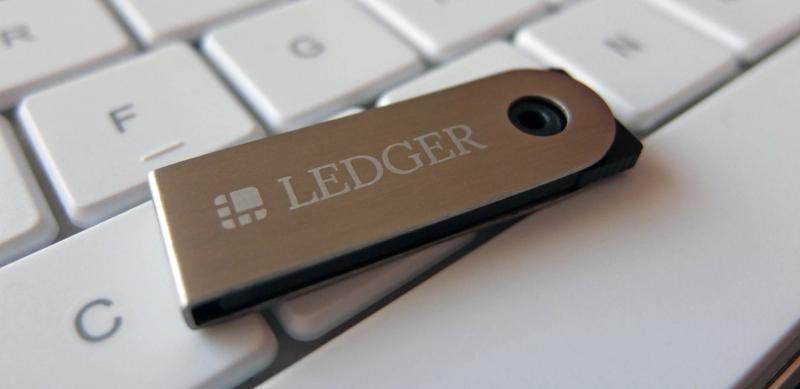
The hardware-wallet maker gave its first public account of how a covert component in devices sold by CryptoBilis could steal users’ master keys without changing Ledger’s software.
Covert hardware implanted in some Ledger crypto wallet devices sold by Southeast Asian reseller CryptoBilis read users’ 24-word recovery phrases from the gadget screen and sent them to an attacker over a mobile phone network, Ledger said Tuesday in an investigation update on X.
Ledger said the spy chip sat inside the device enclosure. When a user set up the signer and the screen displayed the recovery phrase, the implant’s microcontroller recognized and decoded the words, then transmitted them over LTE, a data transmission technology used by cellphones, utilizing an eSIM.
The recovery phrase is the master key to a crypto wallet. Anyone who has it can recreate the wallet elsewhere and move the funds without needing the physical Ledger device or changing any transactions on it.
The account is the first public explanation of the mechanism behind the CryptoBilis-linked thefts. Ledger said the implant did not modify the device’s secure Element, the chip designed to protect private keys, or its operating system. It also did not alter transactions or signatures. The incident was a physical supply chain attack rather than a breach of Ledger’s software or internal systems.
Ledger said it had confirmed one affected signer contained an unauthorized implant and that every confirmed loss in the Oct. 9 incident involved a device sold by CryptBilis. It said it had not verified a theft involving a signer purchased elsewhere and was examining reports of implants in other devices and locations.
The French company has not confirmed the total number of victims or the value stolen. Onchain researchers, however, estimated the losses were up to $93.2 million across more than 300 wallets, with Tether freezing $10 million of its dollar-pegged stablecoin USDT tied to the theft.
CryptoBilis has stopped selling Ledger signers, according to Ledger. The company told customers who bought one from the reseller not to initialize it. Customers who have already used one should move assets to a new device with a newly generated recovery phrase, it said.
Diversified RWA stablecoins sustain 5-7% yield from real credit as crypto funding compresses to ~4%. GENIUS pushes yield off-chain; TAM grows to $4B in 3 years.
Asanat Analysis — Why it matters
Ledger's disclosure of a hardware-level supply-chain compromise represents a watershed moment for the sector's trust model. A covert chip inserted by a distributor (CryptoBilis) could exfiltrate master keys via cellular channels—bypassing software-level security entirely. This exposes a critical vulnerability: even cryptographic devices whose firmware users can theoretically audit remain opaque at the component level, where most consumers cannot verify authenticity. The attack vector is particularly acute because it operates below Ledger's software stack, making detection nearly impossible without physical teardowns.
This incident will likely accelerate hardware-wallet market consolidation toward vertically integrated manufacturers who control supply chains end-to-end, and may drive adoption of open-source hardware initiatives (like Foundation Devices' Passport) that enable community-level component verification. It also signals renewed risk in the distributor tier—a historically overlooked attack surface. The broader implication: 'self-custody' security now requires supply-chain due diligence that most retail users cannot perform, potentially redirecting capital toward staking-as-a-service and institutional custodians despite their apparent counterparty risk.
For regulators, this underscores why hardware wallet security cannot be purely market-driven; component-level verification standards may become necessary. The incident validates long-standing critiques from security researchers that blame-shifting between hardware makers and distributors has created accountability gaps in critical infrastructure.