Ledger’s early implant warnings deserved more action, Karpelès says
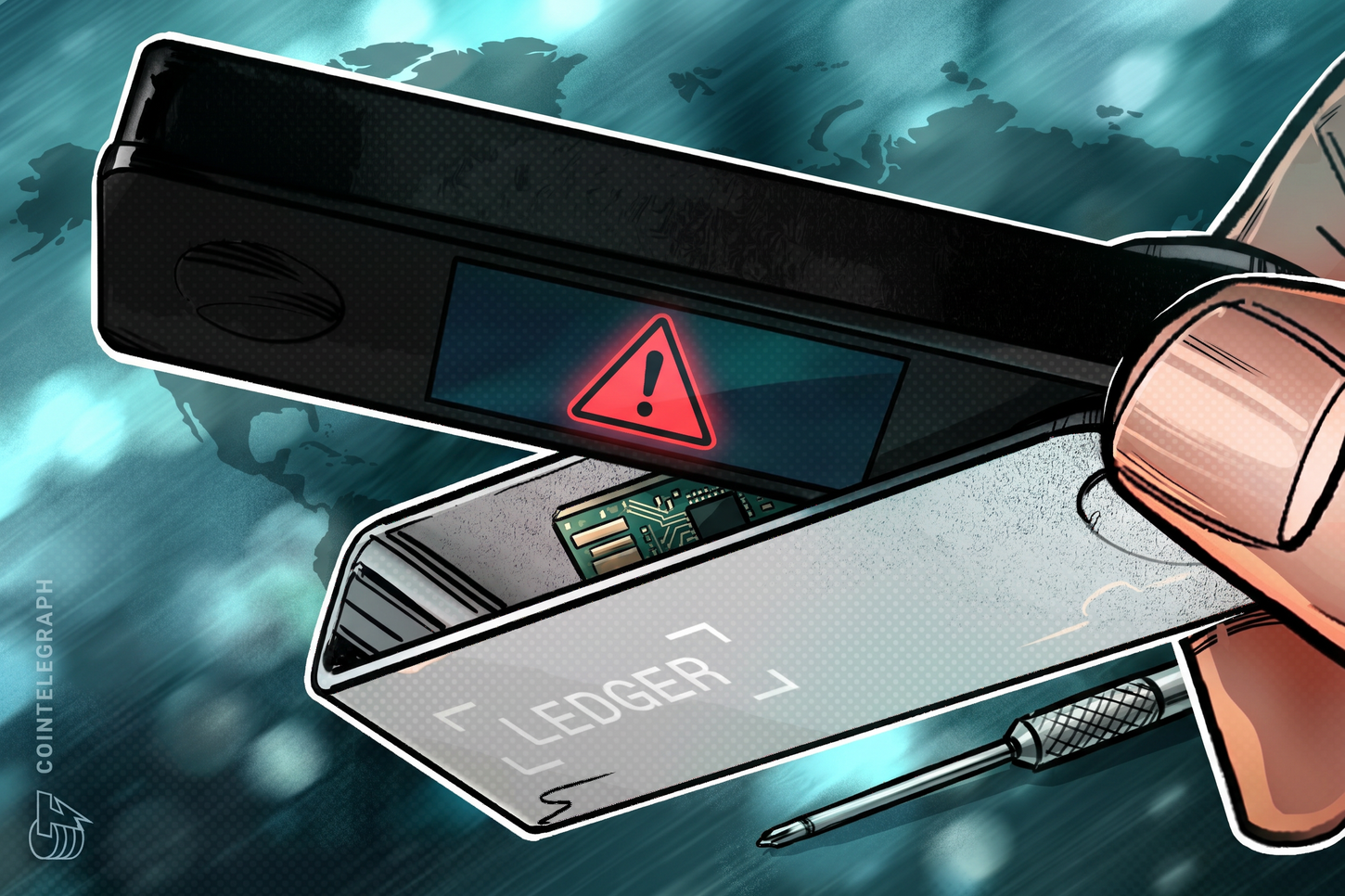
Ledger was contacted about tampered hardware wallets risks months before its latest security crisis, with former Mt. Gox CEO Mark Karpelès questioning its response.
Asanat Analysis — Why it matters
Ledger faces credibility questions over its response timeline to hardware wallet tampering risks. Karpelès's criticism—coming from someone who experienced catastrophic security failure at Mt. Gox—carries institutional weight; his public commentary signals that industry observers view Ledger's pre-crisis handling as inadequate. This matters because Ledger dominates retail custody (~6M+ devices in circulation), and delayed remediation on known vulnerabilities erodes the foundational trust assumption that hardware wallets require.
The timing pattern matters more than the incident itself. If Ledger received warnings months ahead but failed to escalate or communicate transparently, it suggests organizational friction between security researchers and product/comms teams—a structural risk that recurs across security-critical infrastructure. For the sector, this reinforces why decentralized custody and self-custody tooling (MPC, threshold schemes) continue attracting capital despite UX friction; centralized hardware wallet manufacturers remain single points of organizational failure.