Lightning Lands on BitBox — And It Doesn’t Ask for a New Seed Phrase
Bitcoin Magazine Lightning Lands on BitBox — And It Doesn’t Ask for a New Seed Phrase Cold storage and instant payments now share one app, one backup, and one balance sheet. This post Lightning Lands...
Cold storage and instant payments now share one app, one backup, and one balance sheet.
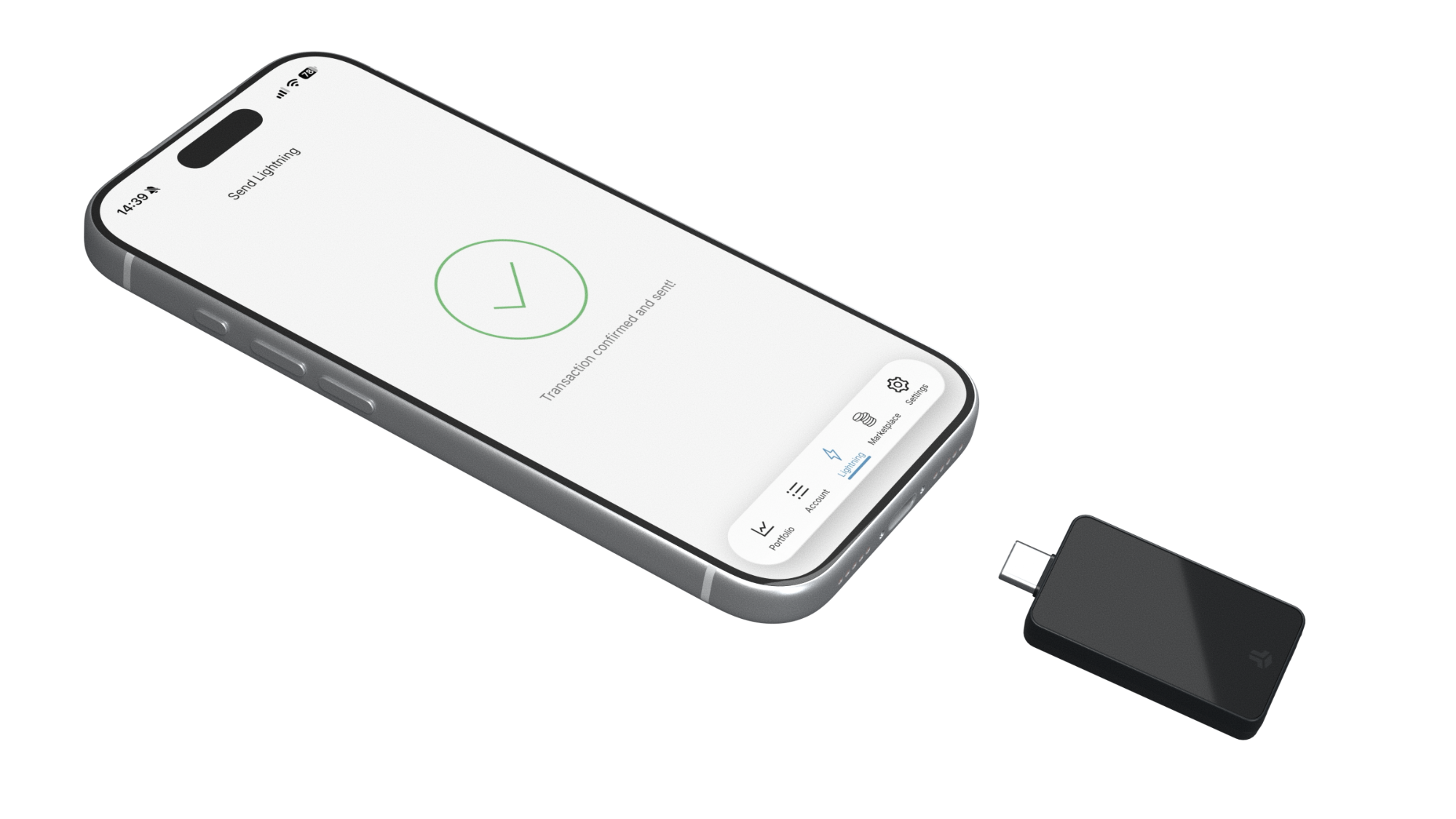
Owners of any BitBox hardware wallet can create a Lightning hot wallet inside the mobile BitBoxApp, fund it directly from their on-chain balance and pay invoices without bouncing between apps, wallets or third-party services, the company announced Tuesday.
And users don’t need a new recovery phrase. The Lightning wallet is derived from the BitBox backup they already have, so there are no extra words to write down — the two wallets stay distinct.
Instant bitcoin on a hardware wallet 😲💥Savings on the BitBox, spending on your phone, one backup for both wallets. Powered by Breez.Congrats @BitBoxSwiss 🤝 https://t.co/vM3JE0WNEC
The Lightning side runs as a hot wallet built for small amounts and everyday spending — coffee, invoices, a quick transfer — while long-term savings stay locked behind the hardware device.
Inside the BitBoxApp, users can scan and pay Lightning invoices, send and receive bitcoin, claim their own Lightning address, top up from their on-chain wallet, and sweep funds back again.
Under the hood, the feature runs on the Breez SDK, which now counts BitBox among more than 100 integration partners. Spark handles the plumbing that has long kept casual users off Lightning — no node to run, no channels to open, no liquidity to babysit. Custody stays with the user throughout.
Breez in August debuted Glow, an app that allows developers to see what’s working under the hood with the Lightning wallet so they can build their own products.
Asanat Analysis — Why it matters
BitBox's Lightning integration via Breez SDK represents a significant UX consolidation for self-custodial Bitcoin users. By deriving the hot wallet from the existing hardware wallet's seed phrase, the implementation sidesteps a major friction point: managing multiple recovery phrases. This matters because wallet proliferation has historically been a barrier to Lightning adoption among less technical users—most implementations force a choice between convenience (custodial) and security (self-custodied with added complexity). The single-backup model also reduces attack surface and recovery failure modes.
The move signals growing maturity in Lightning's infrastructure layer. Breez SDK now powers 100+ integrations, indicating standardization around a developer-friendly abstraction that handles channel lifecycle, liquidity, and node operations invisibly. BitBox's integration follows similar patterns from Muun and BlueWallet, but the hardware wallet + hot wallet segregation here is architecturally cleaner than app-only solutions. However, this remains a niche product—adoption hinges on whether mainstream users actually adopt Lightning for daily payments, a use case that hasn't seen broad traction despite years of development.
For the broader ecosystem, this validates the Breez/Spark model as a viable path forward, potentially influencing how other hardware wallet makers approach instant payments. The implicit message: Lightning UX is now solvable enough for consumer products. Whether that translates to actual usage—and whether transaction volumes justify the infrastructure investment—remains the open question.