Move Over Housing – Bitcoin is Gen Z’s New Wealth Building Asset
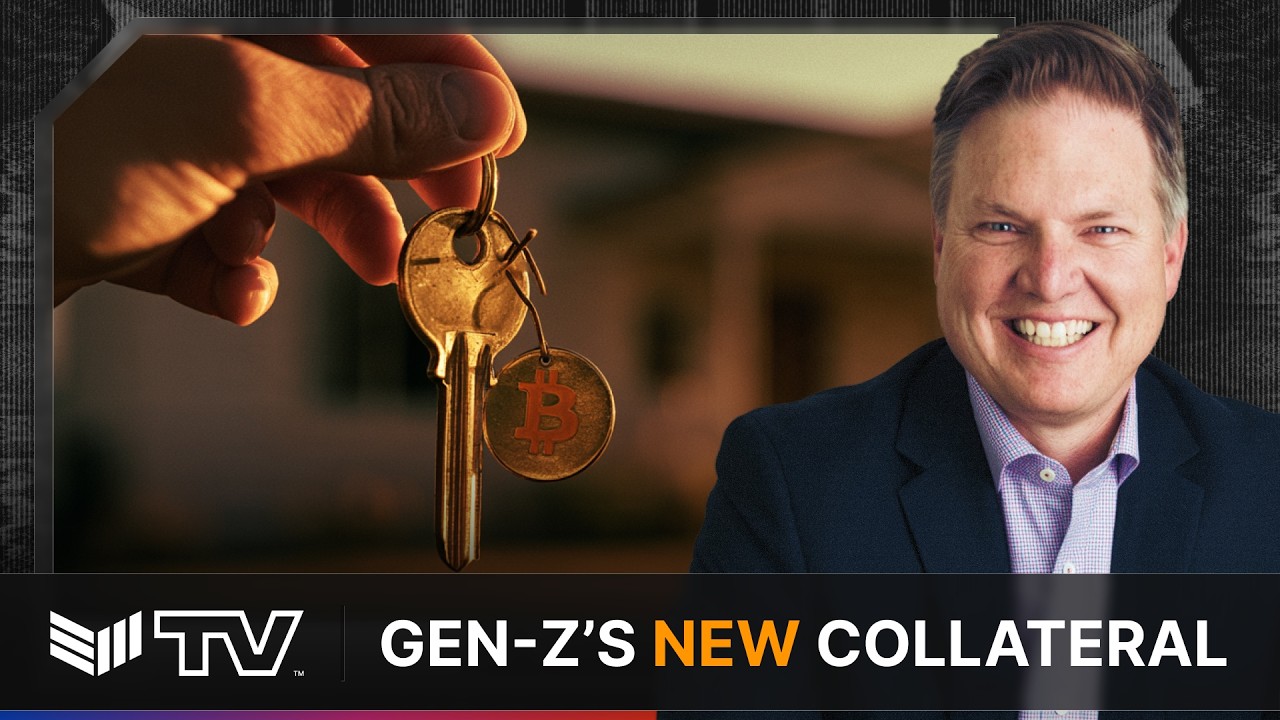
Bitcoin Magazine Move Over Housing – Bitcoin is Gen Z’s New Wealth Building Asset Gen Z now makes up less than 5% of the new home market and Hunter Albright of SALT Lending thinks that changes what a...
Gen Z now makes up less than 5% of the new home market and Hunter Albright of SALT Lending thinks that changes what assets an entire generation chooses to build wealth with.
DISCLAIMER: The views and opinions expressed in this show are those of the participants and do not necessarily reflect the official policy or position of BTC Inc., Bitcoin Magazine, or any affiliated entities. This content is provided for informational and educational purposes only and should not be construed as investment, legal, tax, or accounting advice. Nothing contained in this show constitutes a solicitation, recommendation, endorsement, or offer to buy or sell any securities or financial instruments. Viewers should consult their own advisors before making financial or business decisions.
Asanat Analysis — Why it matters
This narrative reflects a structural shift in wealth-building preferences rather than a temporary trend. Gen Z's reduced housing participation stems from affordability constraints—median home prices in major metros exceed 8x median household income versus historical 3-4x ratios—combined with geographic flexibility post-pandemic and skepticism toward traditional real estate as an inflation hedge. Bitcoin's appeal as an alternative store of value signals generational skepticism of institutional assets that underperformed during the 2010s monetary expansion.
The framing masks important distinctions: housing remains a leveraged asset (1:4 LTV available vs. spot Bitcoin), produces cash flows, and offers tax advantages; Bitcoin is volatile, illiquid in extremis, and requires custodial or self-custody risk management. Gen Z's shift likely reflects portfolio diversification into non-correlated assets rather than genuine substitution. What matters is the precedent: if this cohort accumulates meaningful Bitcoin holdings before traditional wealth (home equity, retirement accounts), it reshapes long-term demand dynamics and political attitudes toward monetary policy—areas where Bitcoin proponents have historically had limited influence.
SALT Lending's framing also signals opportunity recognition in the lending-against-crypto space, where younger users lack sufficient collateral diversity to borrow against traditional assets alone. This could accelerate DeFi infrastructure adoption if regulatory clarity allows crypto-backed lending to scale.