Oil and Treasury Yields Put the BTC USD Recovery Narrative to Test
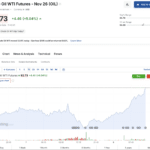
BTC USD fell -1.5% to $82,700 by 02:13 ET (06:13 GMT) on Thursday, October 8, after briefly touching $82,300.50, its lowest level in nearly three weeks.
The decline came as rising oil prices, Middle East tensions, and surging Treasury yields weakened appetite for risk assets, underscoring that a recovery narrative does not insulate crypto from macroeconomic shocks.
Bitcoin’s slide tests the claim without proving it wrong: improving adoption can coexist with a market still highly sensitive to inflation fears and interest rates. The latest crypto-winter recovery narrative therefore sits beside a clear short-term warning from price action.
Here is the central tension: longer-term developments may support the sector, while immediate macro pressure continues to set the direction of Bitcoin and other tokens.
Bitcoin extended recent losses after a rally through the September quarter. The pullback also came despite fresh buying by Strategy Inc., a major corporate holder of Bitcoin.
Michael Saylor’s Strategy now holds 847,999 BTC USD, worth just over $70Bn, making the firm the largest Bitcoin holder in the world.
That buying did not stop the asset from falling during the week, reminding investors that one company’s demand can be outweighed by a broader shift in risk appetite.
The losses followed an extended rally through the September quarter, leaving the market vulnerable to profit-taking. In practical terms, profit-taking means traders sell some holdings to lock in gains; it can add pressure when prices are already retreating, even without a separate negative development specific to each token.
The macroeconomic backdrop ties energy prices to inflation and subsequently higher yields. Oil prices surged amid reports of potential US military action against Iran and increased Iranian attacks on shipping, causing traffic in the Strait of Hormuz to drop to a two-month low.
Disruptions in this key shipping route can lead to unpredictable energy supplies and higher oil prices, which may raise transport and production costs and risk persistent inflation.
This scenario complicates interest-rate cuts for central banks. Minutes from the Federal Reserve’s September meeting revealed a hawkish stance in response to rising inflation, with the US 10-year Treasury yield hitting a 24-year high at 5.333%. Higher yields reduce the appeal of speculative assets like Bitcoin, which offers no yield, making it less attractive as debt returns rise.
While not every Bitcoin move is linked to Treasury yields, the interaction between oil prices, Federal Reserve policy, and crypto volatility reflects a macro channel in which rising energy costs can affect inflation expectations and the attractiveness of risk assets.
This broader market pressure also hit equities, with global stocks declining as Brent crude surpassed $102 a barrel and Treasuries fell, contributing to Bitcoin’s drop in value.
Follow 99Bitcoins on X For the Latest Market Updates and Subscribe on YouTube For Daily Expert Market Analysis.
Established in 2013, 99Bitcoin’s team members have been crypto experts since Bitcoin’s Early days.
Alex is a seasoned cryptocurrency trader and market analyst with over seven years of active experience in the digital asset space. Since entering the markets in 2017, Alex has specialized in identifying emerging "meta" trends and high-volatility narratives. Notably, Alex... Read More
Asanat Analysis — Why it matters
Bitcoin's pullback to $82,700 reflects a confluence of macro headwinds independent of crypto fundamentals. Rising Treasury yields—typically inversely correlated with risk assets—signal tightening financial conditions, while elevated oil prices increase real rates and inflation expectations. These conditions have historically compressed valuations across duration-sensitive assets, including bitcoin, which carries implicit duration risk as a non-yielding store of value.
The timing tests a critical market narrative: whether bitcoin's September-October recovery was driven by structural adoption (ETF inflows, corporate treasury rotation) or merely tactical positioning ahead of macro uncertainty. A sustained breach below recent lows would suggest macro headwinds are overriding on-chain and institutional demand signals. Conversely, if BTC stabilizes here despite adverse Treasury/oil dynamics, it would validate thesis that this cycle's demand base has genuine structural underpinnings distinct from rate-sensitive equities.