Ripple gets a final go-ahead to launch its own U.S. national trust bank
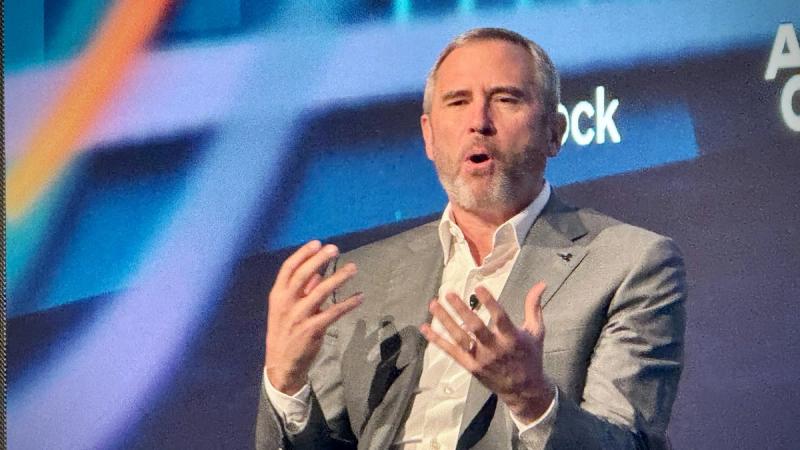
The Office of the Comptroller of the Currency has approved Ripple National Trust Bank (RNTB), Ripple's CEO Brad Garlinghouse announced on X.
Ripple, a fintech company building blockchain and crypto for cross-border transactions, and tokenization, can now run a specialized bank under U.S. federal supervision.
The Office of the Comptroller of the Currency, the regulator that oversees national banks, has approved Ripple National Trust Bank (RNTB), Ripple’s CEO Brad Garlinghouse announced on X late Monday.
In other words, one of crypto’s biggest players now has a traditional banking-style license, signaling that digital assets are being pulled further into the regulated traditional financial system. Ripple first applied for the banking license in July 2025, and the OCC gave it conditional approval that December before signing off fully this week.
The approval is consistent with Garlinghouse’s long-running pitch that crypto companies should build products that banks and big institutions can actually use.
The RNTB will be tasked with managing the reserves backing Ripple’s RLUSD stablecoin. These reserves are essentially real money and assets that provide the token its value.
The bank will also act as a trustee for these reserves and offer regulated custody services, which means it will safely hold digital assets for big companies as they use crypto in payments, trading, and treasury management.
RLUSD will still be issued by Ripple’s New York-regulated unit, Standard Custody & Trust Company. The new bank adds another layer of oversight: RLUSD now has both state and federal regulators watching over parts of its setup.
RLUSD debuted in December 2024 and has since grown to a market value of about $2.5 billion, putting it among the world's top 50 stablecoins. It is used in Ripple’s payments business and as collateral on Ripple Prime. The stablecoin is backed by U.S. dollar deposits, U.S. government securities, and other cash-like assets. BNY holds most of those reserves. Ripple also uses XRP, the world’s 5th largest digital asset, to facilitate cross-border transactions.
Ripple said it will keep working with the OCC, New York regulators, and others as the bank starts operating, especially as the U.S. rolls out its new stablecoin rules under the GENIUS Act.
Diversified RWA stablecoins sustain 5-7% yield from real credit as crypto funding compresses to ~4%. GENIUS pushes yield off-chain; TAM grows to $4B in 3 years.
Asanat Analysis — Why it matters
Ripple's OCC approval for a national trust bank represents a structural shift in how the company monetizes its infrastructure. Moving from pure software/protocol licensing to deposit-taking operations creates new revenue streams (net interest margins, custodial fees) while simultaneously increasing regulatory exposure and capital requirements. This mirrors the Path Silvergate, Signature, and Custodia pursued—converting crypto infrastructure advantage into traditional banking infrastructure.
The approval signals regulatory acceptance of blockchain-native firms in banking, but also constrains Ripple's operational model. Trust banks face stricter capital adequacy ratios, lending limits, and compliance costs than unregulated entities. For XRP holders, the bank structure may reduce direct upside from token appreciation while providing institutional custodial services that could expand XRP settlement volume. The move validates Ripple's pivot from disputing its token's security status toward regulated financial infrastructure—a longer-term play on institutional adoption over speculative velocity.