Samourai Letter #7: Notes From The Inside
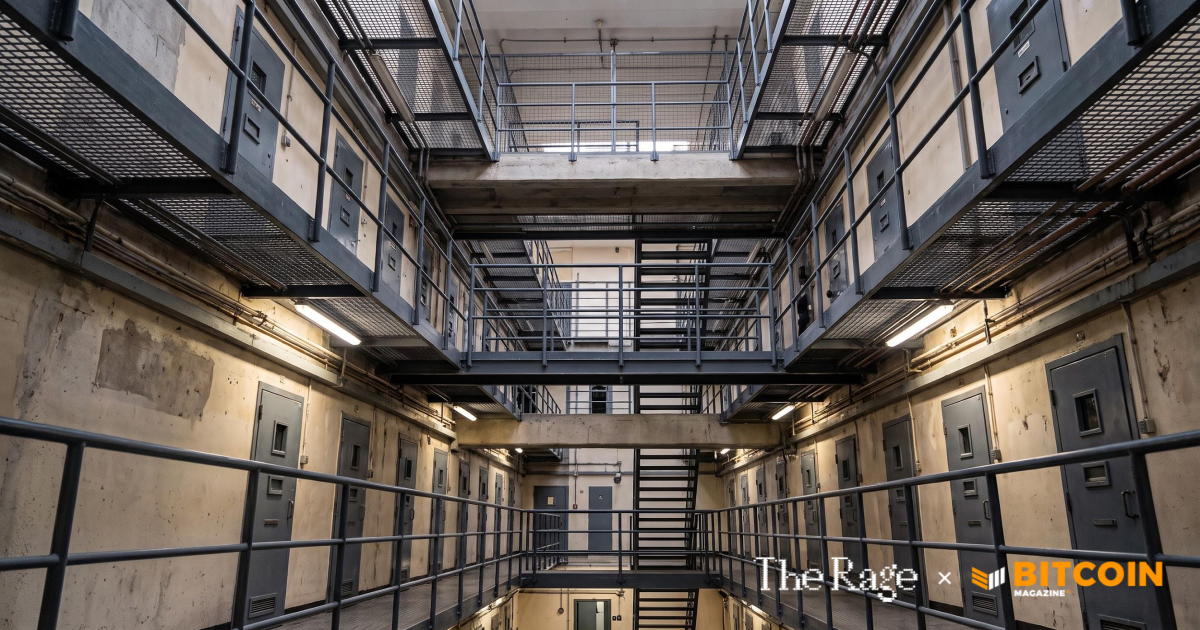
Bitcoin Magazine Samourai Letter #7: Notes From The Inside Syndicated from The Rage: Samourai Wallet developer Keonne Rodriguez documents "the absolute worst 30 days of my life." This post Samourai L...
Syndicated from The Rage: Samourai Wallet developer Keonne Rodriguez documents "the absolute worst 30 days of my life."
It has been many months since I last wrote you. Part of the reason for that is because I spent most of June and part of July in transit from FPC Morgantown to FCI McKean – a four hour drive away. For most of that time I had no access to pen, paper, stamps, or the rudimentary email system that I use to send these letters out.
The other part of the reason why I haven’t written in so long is that once I did finally arrive I was so shell shocked from the entire ordeal that I needed time to decompress and process that month long trauma that is BOP transit.
Six days after arriving at FCI McKean I finally put pen to paper to document the journey but the result was less of a letter and more of a trauma dump to help me process the absolute worst 30 days of my life. I decided to take a step back and give it some time before I sent out this letter. I have been slowly adapting to life here at McKean, and in good time I will tell you all about this place, but for this letter I want to go back to early June.
I want to tackle the entire transit process and explain how what should have been a quick four hour drive turned into 30 days, two trans-continental flights, three multi-hour bus rides, a cell mate doing time for murder, and a cell mate who couldn’t stop shitting (I preferred the murderer). This letter will likely be published in two parts due to the length. Thank you for your continued reading and support.
On June 5th I was told I would be transferred from FPC Morgantown for a drug and alcohol treatment program. Successfully completing the program (which takes about 9-10 months) rewards you with a year off your sentence, so it is seemingly well worth the hassle of moving to take it.
For security reasons they do not tell you when you will be leaving or where you will be going. While being transferred in BOP custody you almost always are put on an airplane being piloted and operated by the US Marshalls to be taken to BOP transit hub in Oklahoma City. After a few days in Oklahoma you are put back on a plane and taken to your destination. From speaking with others I was told to expect 1-2 weeks of transit.
I also heard that it costs around $10,000 per prisoner to be transited through Oklahoma. I figured that since I am classified as minimum security, spent close to two years on pre-trial release, self surrendered, and had no incident reports since being incarcerated I would be a good candidate for what is called a transfer furlough – where I would be responsible for transporting myself to my new institution at my own expense.
I put in my official request for a transfer furlough on June 5th. On June 8th my request was denied without explanation, I would be going through transit, no way around it.
On June 10th I was called to Receiving and Discharge (R&D) at 6:00 AM. Though I did not know it at the time I was about to embark on a month long fever dream through two different holding facilities, share cells with murderers, be locked down behind iron barred cells for 23 hours a day, and much more.
Leaving through R&D is much the same as when I arrived. I was stripped, searched, issued a pair for ill fitting clothes (khaki elastic band trousers, a brown cotton shirt, threadbare boxers, socks that didn’t match, and a pair of slip on blue canvas shoes).
I was put into a holding cell while the other inmates being transferred went through the same process. There were six of us transiting from Morgantown on that day. We were each lined up and called forward so that the officer could fasten shackles to our ankles and cuffs to our wrists.
Once cuffed and shackled the officer wrapped a chain around our waist and attacked the handcuffs to them. The end result being that you could not lift your arms or hands much higher than your waist, and you could walk only in painful short shuffling steps. We were handed a brown paper bag with ‘breakfast’ in it (bread, peanut butter, bologna) and escorted to the waiting bus.
The bus was a cross between yellow school bus and a coach (think Greyhound or National Express) and already filled with inmates from other prisons in the area. There were guys from all security levels on the bus. Some guys serving 20 years coming from the “pen” (The US Penitentiary), some guys like me serving short sentences and going to a camp.
The atmosphere was generally friendly on the bus, most of the USP guys were interested in what the camp was like and how much contraband like vapes and phones cost. At the front of the bus behind a metal grate were the driver and three heavily armed officers. They all wore stab vests and carried handguns and long guns.
As we departed Morgantown I was excited to watch the scenery go by. This was the first taste of the outside world I had in 6 months. I took in all the sights. The trailer park, the run down gas station, the XXX store, it all was captivating. After about an hour of driving the bus suddenly exited the highway and stopped on the side of a small road. After 20 minutes idling I noticed one of the officers walking back to the bus with a bag of biscuits from Tudor’s Biscuit World – a West Virginia institution.
We remained on the side of the road as each officer one by one went and bought breakfast, an endeavor that took over an hour. I decided Breakfast sounded good but my bread fell out of bag onto the floor. Breakfast would have to wait. As quickly as we got back on the road we suddenly pulled off again. This time each officer went one by one into a gas station to buy cigarettes and energy drinks.
The metal of the shackles were starting to dig into my ankles, my wrists were cramping, my eardrums were shot beyond comprehension. Many others have said it before, but the one thing you really remember about the prison bus is how unbelievably loud it is. Every bump in the road is followed by a symphony of crashing metal. Inmates at the front of the bus maintain full conversations at full volume with their friends all the way in the back. The volume is at maximum for the entire journey.
After about 5 hours we arrived at the Greenbriar Valley Regional Airport. There were several other prison busses parked off to the side of the runway. For the next hour or so a parade of officers from other busses would climb up and yell out a series of names. We were playing a grand game of musical chairs and for a brief moment I prayed that I would be called to another bus and spirited off to my camp bypassing the free plane ride to Oklahoma.
Eventually musical chairs was over and we were instructed to get off the bus and directed to line of waiting US Marshalls standing in front of a plain white airplane adorned only with a small American flag on the tail fin.
The Marshall patted me down, checked my mouth and feet and directed me to line up and wait by the front of the plane under the cockpit. They packed us in tight on the runway 10 rows of inmates at least 10 men deep. We watched inmates disembark the plane and enter the busses we just left.
The whole thing must be a logistical nightmare for the folks at BOP and I was surprised how smoothly it all was moving. It was by no means quick, but it could have been far worse. Finally I was ordered to wobble up the stairs to board the plane. I felt like Joe Biden before falling up the stairs.
How embarrassing it would be to eat it in front of all the convicts. I made it up without embarrassing myself. On board Air Operations Marshalls replaced flight attendants, though one really couldn’t tell any difference in demeanor between a Delta air steward herding a bunch of fat slobs in sweat suits and a US Marshall herding a bunch of prisoners. We filled each row from back to front at the direction of the Marshalls.
I was sat in the window seat. The guy next to me sported a nifty full face tattoo and informed me he had been down 15 years and was kicked out of the USP for fighting. I informed him I was on my way to a camp and had been down for 6 months. He had nothing else to say to me after that.
Asanat Analysis — Why it matters
Keonne Rodriguez's ongoing documentation of his legal ordeal signals a critical moment for privacy-focused wallet developers. The 'absolute worst 30 days' framing suggests intensifying pressure—likely from federal prosecution related to Samourai's money laundering allegations, which surfaced in 2024. This reflects broader regulatory tightening around privacy tools, where developers face personal liability even when software itself is legally neutral-use technology.
The epistolary format ('Letter #7') indicates Rodriguez is building a narrative record amid legal proceedings—a strategy that protects his voice and establishes precedent documentation. For the sector, this underscores the asymmetric risk profile of privacy infrastructure builders versus users: tools designed for legitimate financial confidentiality face weaponization via criminal conspiracy charges. The case will likely influence how developers structure teams, jurisdiction, and liability frameworks going forward.
Historically, this echoes the prosecutorial playbooks used against PGP developers and Tor contributors. The outcome will determine whether privacy wallets remain consumer-grade products or retreat behind jurisdictional walls. Regulatory clarity remains absent—forcing developers into legal gray zones while compliance tools gain tacit acceptance.