Samsung integrates USDC to overhaul cross-border remittances for 82 million Galaxy users
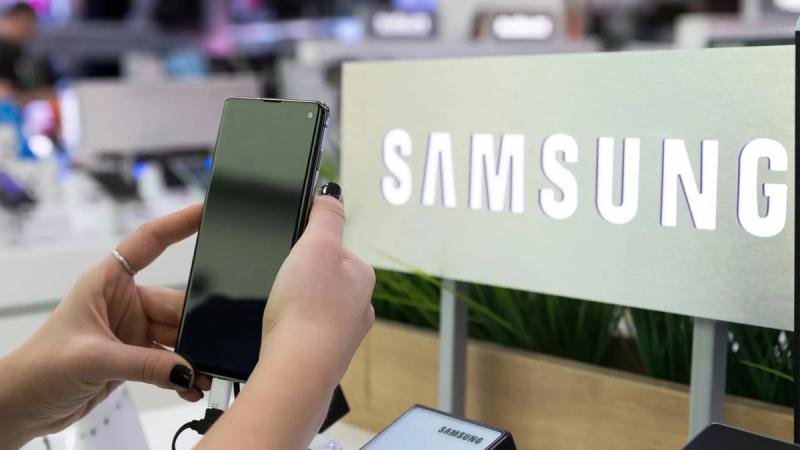
Eligible users will be able to send USDC abroad or send local-currency payouts to bank accounts in more than 60 countries, starting late October.
Samsung is turning its wallet app into a cross-border payments tool by allowing eligible users to remit USDC to other wallets and bank accounts starting in the last week of October.
“Sending money abroad should feel as convenient as using the wallet already on your phone,” Woncheol Chai, Samsung Electronics’ head of its digital-wallet team, said. “We’re bringing USDC transfers into Samsung Wallet so eligible Galaxy users can get started without installing another app or managing private keys themselves.”
The feature will be available on 82 million Galaxy devices across the United States and will be fully compatible with the Samsung Wallet, which is already used for cards, IDs and boarding passes, Solana said in a statement announcing its partnership with Samsung on Wednesday.
To power the initiative, Solana and Sui will provide the underlying blockchain network support. Coinbase will custody the stablecoin through Coinbase Prime Vault, while Bastion will provide the regulated stablecoin infrastructure.
Through this integration, users will be able to send Circle’s stablecoin, USDC, the world’s second-largest dollar-pegged token preferred by institutions for its strong regulatory backing. Use of stablecoins in cross-border transactions has expanded robustly this year due to low transaction costs, according to the IMF's annual report.
Galaxy users can seamlessly send USDC to compatible crypto wallets abroad or directly to eligible bank accounts in more than 60 countries, with recipients receiving the funds in local currency. Samsung will not charge any fees for USDC transfers to compatible external wallets, although recipient wallets or exchanges may charge a fee of their own.
For users, the product strips out much of the crypto setup normally required to send stablecoins. Samsung said customers will fund transfers through integrated on- and off-ramps, and biometric authentication on a registered Galaxy device will be required to send funds.
The rollout turns Samsung’s broader stablecoin ambitions into a consumer product. Samsung said in August it planned to add stablecoin savings and payment features to hundreds of millions of Galaxy phones, a move that analysts told CoinDesk could make the company a major distributor of digital dollars. The U.S. launch is its first large-scale deployment.
The integration gives Samsung a token distribution channel that crypto companies have historically struggled to build on their own. By embedding the tech into a familiar payments app installed on tens of millions of phones, it pushes stablecoins beyond speculative trading toward a simple remittance product where the recipient can receive fiat in a bank account without ever opening a crypto wallet.
Industry leaders recognize this framework as a path to mainstream adoption of stablecoins in cross-border payments.
"Stablecoins have the potential to make moving money around the world faster and easier, and we want Galaxy users to be able to take advantage of that without having to navigate the complexity of traditional crypto tools,” said Lily Liu, president of the Solana Foundation.
Liu said stablecoins have proven that blockchain is a highly efficient way to move money quickly and cheaply around the world. However, she added that stablecoins were missing a path to mainstream adoption, which is no longer an issue with Samsung’s partnership.
"Mass adoption was never going to come from people downloading crypto apps. It comes from the phone already in your pocket. I expect Apple and Google to follow, and when they do, sending money abroad will feel as easy as sending a text," Kevin Lehtiniitty, CEO of Borderless.xyz said via LinkedIn.
Samsung has not yet said when the feature will expand beyond the U.S. Future availability will depend on local regulation. The company said it may later enable stablecoin payments online and through tap-to-pay transactions on eligible Galaxy phones.
As stablecoins move into regulated finance, APAC is becoming a key proving ground. This report maps the region’s rules, use cases, and RLUSD’s role.
Asanat Analysis — Why it matters
Samsung's USDC integration across 82 million Galaxy devices represents a significant infrastructure milestone for stablecoin adoption in payments. By embedding remittance capability directly into a hardware ecosystem with massive distribution, Samsung bypasses traditional fintech app-dependency and creates instant liquidity access for a globally dispersed user base. The 60+ country coverage signals mature corridor setup—likely through partnerships with on-ramp/off-ramp networks like Circle or Stripe—reducing the friction that has historically limited consumer stablecoin adoption for cross-border transfers.
This move has second-order implications for the remittance sector, which captures $630B+ annually. Traditional corridors rely on correspondent banking (2-5% fees, 1-3 day settlement); USDC-on-chain reduces both to minutes and <1% for institutional players. The late October 2026 timing follows years of regulatory clarity around stablecoins in G7 markets, suggesting regulatory confidence has shifted enough for consumer hardware makers to commit. For the broader stablecoin ecosystem, this legitimizes USDC's utility narrative beyond trading—moving it closer to rails parity with ACH or Swift for everyday users.