SEC grants temporary exemption for tokenized US stock trading
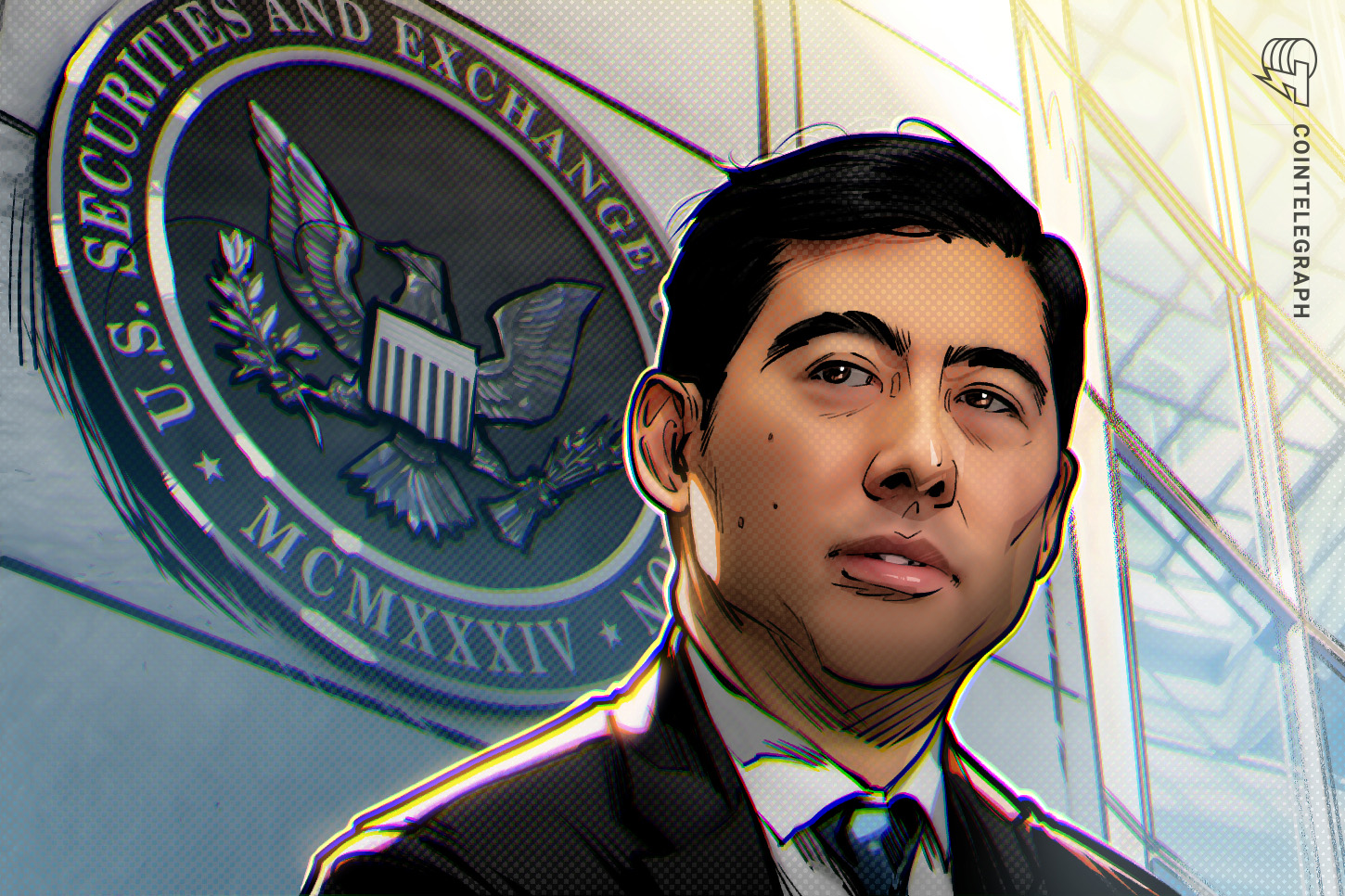
The SEC’s Innovation Exemption allows limited tokenized US stock trading on onchain venues with trading caps and transparency requirements.
Asanat Analysis — Why it matters
The SEC's Innovation Exemption signals a meaningful shift in regulatory posture toward tokenized securities infrastructure. By permitting onchain US stock trading under defined parameters—trading caps and transparency guardrails—the regulator is effectively running a supervised pilot rather than maintaining a blanket prohibition. This matters because it establishes a framework pathway; previous SEC guidance treated tokenized equities as inherently problematic. The temporary exemption validates that regulated custody, real-time settlement, and compliance tooling can coexist with blockchain infrastructure.
Critically, the trading caps and reporting requirements indicate the SEC is managing systemic risk incrementally rather than blocking innovation outright. This resembles earlier Reg SHO exemptions or pilot programs—a common regulatory pattern for novel market structures. However, 'temporary' carries weight: the exemption's sunset date will determine whether this becomes a stable on-ramp or a honeypot that educates the market before revocation. The precedent matters more than the volume—a successful pilot creates legislative and regulatory talking points for broader tokenized asset frameworks.
Second-order effects include pressure on traditional settlement infrastructure (T+2 vs. blockchain settlement) and potential competitive dynamics between regulated tokenized venues and legacy exchanges. Custody solutions, chain infrastructure providers, and compliance tech providers will see validation of their business models, while exchanges face make-or-break moments to integrate onchain trading or risk market share migration.