SGX's bitcoin and ether perpetual futures are now open to U.S. institutions
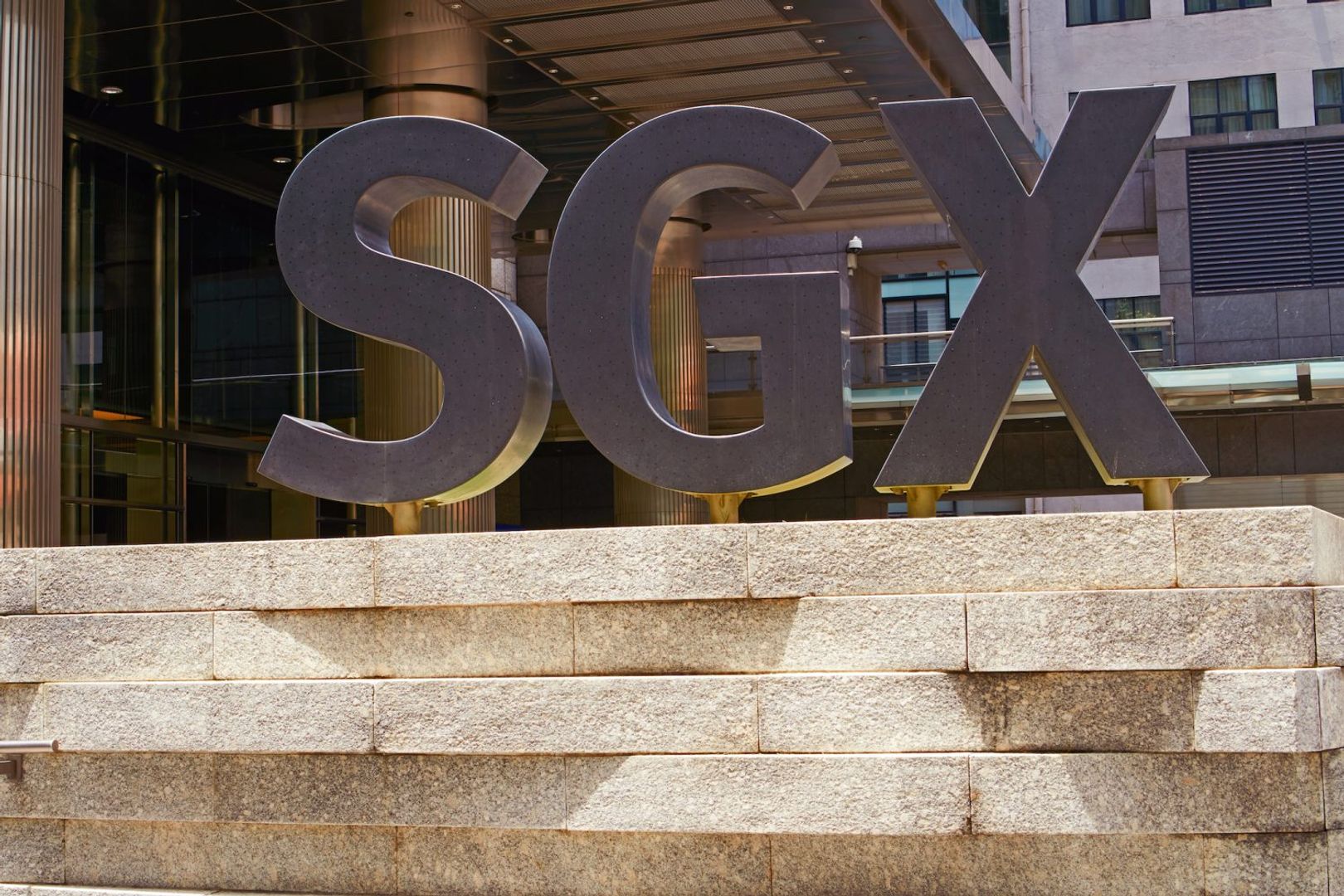
The Singapore Exchange says U.S. institutions can not trade its bitcoin and ether perpetual futures, a milestone that bridges U.S. trading desks with Asian liquidity.
Asanat Analysis — Why it matters
SGX's opening of BTC/ETH perpetuals to U.S. institutions represents regulatory arbitrage maturation rather than fundamental innovation. Singapore has long positioned itself as a compliant on-ramp for Asian crypto trading; this move formalizes cross-border institutional access that previously operated in gray zones. The significance lies in legitimacy: U.S. institutions can now route derivatives exposure through a major regulated exchange without relying on unregulated venues or complex fund structures.
This signals growing comfort among U.S. regulators with offshore derivatives venues serving institutional clients, provided they meet compliance standards (likely including U.S. person restrictions via geofencing and KYC). It also reflects competitive pressure—CME and other U.S.-listed crypto derivatives platforms face competition from venues with deeper Asian liquidity pools and lower regulatory friction. For the sector, this normalizes multi-jurisdictional execution strategies and strengthens Singapore's role as a liquidity hub for institutions managing global crypto exposure.
The timing matters: institutional derivatives demand continues regardless of spot market cycles, and tighter capital efficiency incentivizes institutions to access pools with tightest spreads and deepest order books. SGX's move accelerates fragmentation of derivatives liquidity away from single-jurisdiction dominance—a structural shift with implications for price discovery and hedging efficiency across regions.