Solana lender Kamino taps Yieldstreet co-founder as CEO in Wall Street expansion
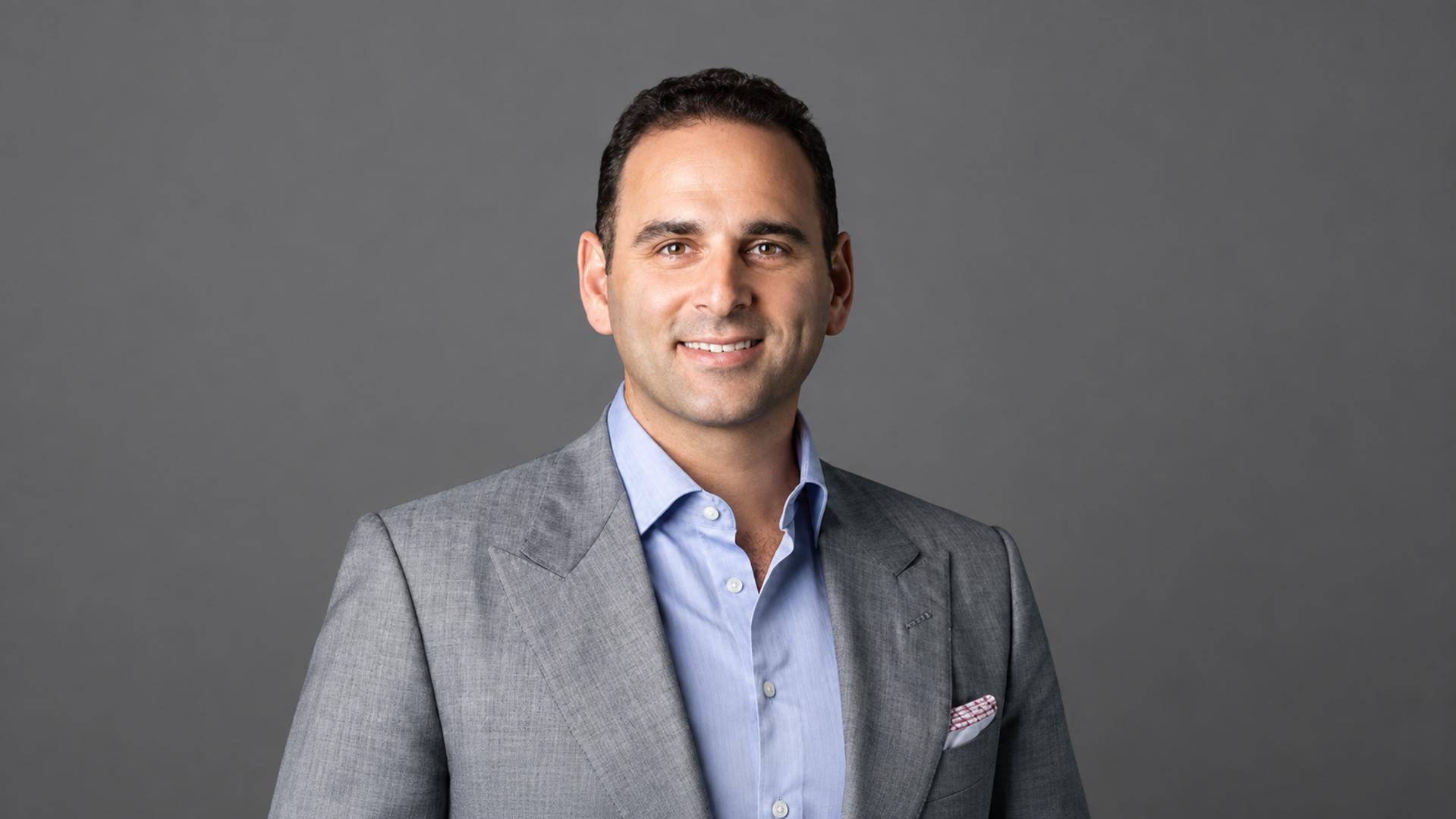
Michael Weisz will lead Kamino from a new New York headquarters as the DeFi lender is expanding into tokenized assets.
Kamino KMNO$0.02480, one of Solana's largest lending protocols with $1.4 billion of assets, is setting up shop in New York as it looks to bring its onchain credit business closer to Wall Street and expanding to tokenized assets.
On Tuesday, the company named Yieldstreet co-founder Michael Weisz as CEO to lead that push. Kamino said it is looking at roughly 20,000 square feet of office space in New York and plans to hire a chief financial officer and head of legal.
Weisz co-founded alternative investment platform Yieldstreet, now Willow Wealth, which deployed more than $6 billion alongside firms including Goldman Sachs, Carlyle, KKR and Ares.
"Being in New York puts Kamino at the intersection of the asset managers, distribution platforms and institutional capital that will define the next phase of on-chain finance," Weisz said.
Tokenization — the process of putting traditional assets such as stocks, bonds and funds on blockchain rails — has become one of Wall Street's biggest bets on crypto technology. Citi projected the market of tokenized securities could reach $5.5 trillion by 2030 as banks and asset managers explore faster settlement, round-the-clock markets and new ways to use assets as collateral.
Kamino lets users lend crypto assets or borrow against them. It is extending that model to tokenized real-world assets, providing markets where investors can finance or use those assets as collateral after they move onchain.
Its PRIME market, developed with Figure Technologies and Hastra, uses Figure's blockchain-based home equity loans as collateral. Deposits have topped $600 million in roughly three months after launch, Kamino said.
Nasdaq-listed Solana treasury firm Forward Industries (FWDI) and digital asset manager Galaxy GLXY$22.78 also use Kamino’s infrastructure for tokenized equity and U.S. Treasury positions, the company added.
The New York headquarters puts Kamino closer to the asset managers and financial firms it hopes to bring onto its platform.
"The hardest part is rarely creating the asset," Weisz said. "It is building the infrastructure that meets distribution and asset managers where they are."
Kamino said it has processed more than $650 billion in cumulative transaction volume over four years.
The expansion comes as tokenization moves beyond simply putting assets on blockchains. Lending and collateral markets are developing around those assets, opening another route for DeFi platforms such as Kamino to work with traditional financial firms.
Tokenized equities lead RWA inflows as the market recovers; Binance's bStocks hit ~$118.5M in two months, now #2 issuer and ~90% of on-chain equity DEX volume.
Asanat Analysis — Why it matters
Kamino's NYC expansion and Weisz appointment signal a structural shift in how DeFi infrastructure positions itself: no longer as a crypto-native alternative, but as the plumbing layer beneath tokenized finance. The hiring of a Yieldstreet co-founder—someone with $6B deployment experience alongside Goldman Sachs, Carlyle, and KKR—isn't window dressing. It reflects that Kamino's real addressable market is institutional capital seeking lending markets around on-chain assets, not retail crypto users. The PRIME market's $600M deposit influx in 107 days validates this thesis: there is genuine institutional appetite for yield on tokenized collateral.
The timing matters. Tokenized real-world assets (RWAs) have grown from a 2023 thesis to a 2025 infrastructure play, with Citi projecting $5.5T in tokenized securities by 2030. But tokenization alone is inert without functioning credit markets. By building lending infrastructure *around* tokenized home equity loans, equities, and Treasury positions, Kamino is capturing a second-order opportunity: the collateral and financing layer that makes RWA liquidity actually fungible. This is where DeFi's core value proposition—permissionless, 24/7 capital markets—meets institutional risk management.
Watch whether this model attracts traditional banks or asset managers as direct counterparties, or remains a crypto-native infrastructure play. The New York office staffing (CFO, head of legal) suggests Kamino is preparing for regulated partnership structures. The risk: if tokenized assets migrate to bank-operated custody and lending (likely for custody-sensitive assets like home equity), Kamino becomes a competitor to legacy finance rather than a service layer, limiting its addressable market.