South Korea blocks 27 crypto exchanges, including Bitmart and Kucoin
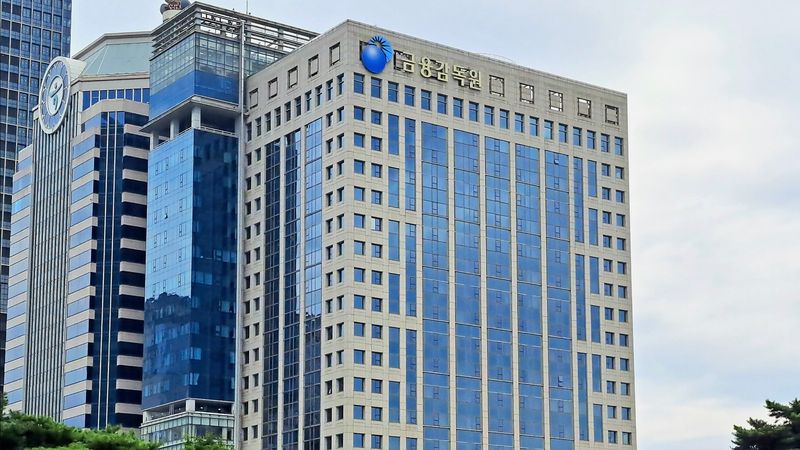
The country’s regulators are stepping up their earlier restrictions on mobile apps to websites, targeting unregistered exchanges before investors report losses.
South Korea is blocking access to 27 unregistered crypto exchanges' websites, including KuCoin, BitMart, and MEXC, extending its crackdown on foreign trading platforms beyond just their mobile apps.
The country’s Financial Intelligence Unit (FIU) announced Tuesday that the Korea Communications Standards Commission approved the restrictions following reviews on Oct. 6 and 7. Websites operated from overseas will be blocked, while those operating domestically face service termination, the FIU noted.
The move closes another route for South Korean investors to access unregistered exchanges after authorities restricted access to their mobile apps on Google and Apple last year. Regulators can now seek website blocks as soon as they detect unregistered activity, without waiting for a court ruling or evidence that customers have lost money.
The FIU did not specify how long the restrictions will last or set a deadline for the exchanges to register. However, any exchange that wants to legally operate in the country and serve South Korean customers must register with the FIU and meet the country’s security and anti-money laundering (AML) requirements.
“We respect applicable laws and regulations across jurisdictions and continuously strengthen our compliance framework in response to evolving regulatory requirements,” a KuCoin spokesperson said.
“User assets remain safe and secure, and we will communicate any further updates through our official channels.”
BitMart, Phemex and MEXC did not immediately respond to a CoinDesk request for comment.
South Korea's proposed Digital Asset Basic Law, yet to come into force, would set the groundwork for a legal framework for digital assets, including issuance, trading, custody and supervision. The country’s Financial Services Commission and Financial Supervisory service announced new rules in April, removing the discretion exchanges had to let users bypass holding periods.
The FIU said it has referred 44 unregistered operators to investigators and will seek further blocks against websites that reopen under different addresses. Only 28 virtual asset service providers are currently registered with the regulator.
The financial watchdog also warned that traders using unauthorized platforms could face difficulties recovering their funds. The FIU said it will work with the Digital Asset eXchange Alliance (DAXA), an industry association, to help affected customers withdraw their funds where access restrictions create problems. It also urged investors to check whether their exchange is registered and to withdraw assets from unauthorized operators.
South Korean investors have been gradually moving large amounts of crypto overseas for months due to stricter rules, with an estimated $110 billion leaving domestic exchanges in 2025.
Diversified RWA stablecoins sustain 5-7% yield from real credit as crypto funding compresses to ~4%. GENIUS pushes yield off-chain; TAM grows to $4B in 3 years.
Asanat Analysis — Why it matters
South Korea's regulatory escalation from mobile app restrictions to full website blocks signals a hardening enforcement stance on unregistered exchanges. This moves beyond warning periods into active market access denial—a jurisdictional playbook seen in Japan (2018) and Singapore (2021) that typically precedes broader regional crackdowns. The targeting of exchanges like Bitmart and Kucoin, both major global platforms, indicates regulators aren't exempting established players from registration requirements, raising questions about which other exchanges face similar compliance gaps.
The timing matters: proactive blocking before investor losses materialize suggests South Korea's regulator learned from earlier retail panic exits. However, this creates a two-tier market dynamic—Korean retail now faces friction accessing global venues while domestic alternatives (registered exchanges) gain trapped liquidity. The move may pressure exchanges to either formalize Korean operations (costly compliance) or exit the market, concentrating trading on fewer, regulated platforms. Watch whether this triggers broader APAC regulatory coordination, particularly with Taiwan and Hong Kong regulators who've signaled similar intensification.