Standard Chartered unlocks direct bitcoin and ether trading for affluent UAE clients
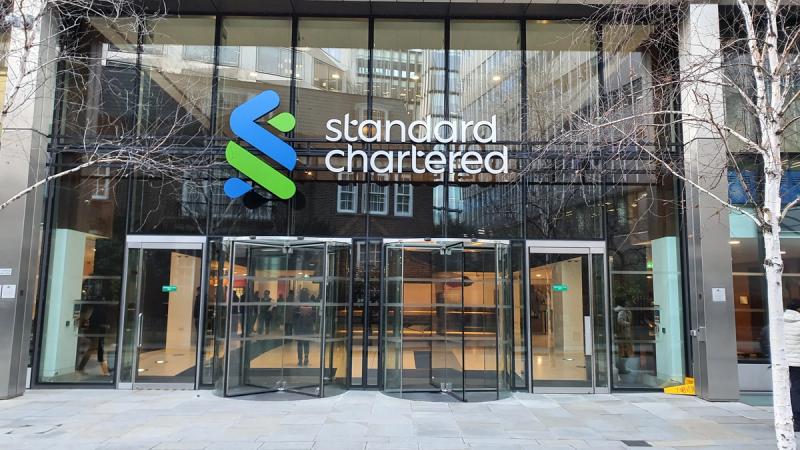
The bank manages custody and settlement in-house via a closed-loop model, removing the need for separate crypto wallets.
Standard Chartered (STAN) introduced a crypto trading service for affluent clients in the United Arab Emirates, allowing eligible investors to buy and sell bitcoin BTC$83,478.64 and ether ETH$2,517.05 through their existing bank accounts.
The service will initially be available to clients classified as professional investors, and the London-based lender said it is the first of its kind offered by an international bank in the UAE.
The debut is also a global first for Standard Chartered, according to the bank, because it marks the first time it has offered cryptocurrency trading directly to wealthy clients in any market.
The bank will manage custody and settlement within its own ecosystem using a closed-loop model, it said, meaning clients will not need separate cryptocurrency wallets or third-party trading platforms.
The service brings together Standard Chartered’s wealth and retail banking and corporate and investment banking businesses and operates through Zodia Markets, which is backed by the bank’s SC Ventures unit.
Standard Chartered said it has received licensing approval from Dubai’s Virtual Assets Regulatory Authority(VARA).
The bank introduced institutional bitcoin and ether spot trading through its U.K. arm in July last year and expanded that offering to the UAE on Sept. 3.
Standard Chartered already offers eligible clients access to crypto exchange-traded funds (ETFs), structured products and over-the-counter derivatives. It plans to expand the new trading service to other markets, but did not give a timetable in the announcement.
Diversified RWA stablecoins sustain 5-7% yield from real credit as crypto funding compresses to ~4%. GENIUS pushes yield off-chain; TAM grows to $4B in 3 years.
Asanat Analysis — Why it matters
Standard Chartered's direct BTC/ETH trading for UAE high-net-worth clients signals institutional banks are moving past custody-only offerings toward integrated trading infrastructure. The closed-loop settlement model—where the bank manages both custody and execution—removes friction points that have historically kept traditional wealth managers at arm's length from crypto. This is material because it suggests banks have resolved compliance and operational concerns enough to embed crypto as a native asset class rather than a third-party bolt-on.
The UAE regulatory environment has become a proving ground for bank-led crypto adoption; Standard Chartered's move follows similar initiatives from other incumbents testing the region's progressive stance. For the broader sector, this signals two second-order effects: (1) custodial models are consolidating around in-house settlement to reduce counterparty risk and regulatory friction, and (2) affluent client onboarding will increasingly bypass pure-play crypto platforms, redirecting flows through traditional banking rails. This threatens margins for independent crypto brokers but validates the institutional thesis that legacy finance infrastructure can compete on execution once compliance frameworks mature.