Tether is a ‘lifeline’ for Iranian regime, Senate Dems say in new report
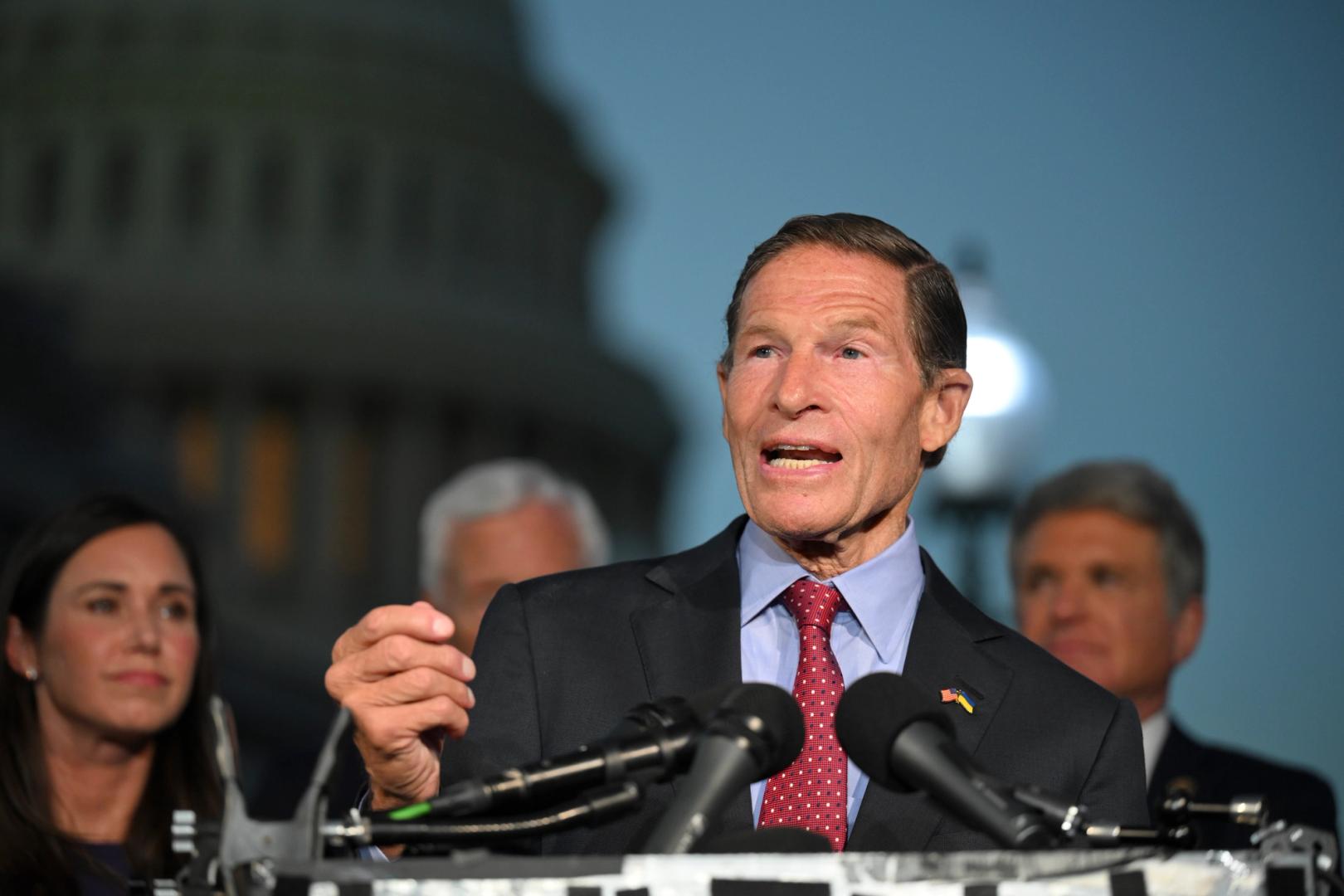
Democrats on the Senate's Permanent Subcommittee on Intelligence published a report alleging that USDT had become a key tool for the Iranian government.
U.S. dollar-pegged stablecoin Tether is a go-to tool for the Iranian government to bypass sanctions, a new report from a group of Senate Democrats said.
Democrats on the Senate's Homeland Security and Governmental Affairs Committee's Permanent Subcommittee on Intelligence published a report Monday laying out the argument that Tether USDT$1.0000 plays a key role in allowing Iran to conduct transactions that skirt international sanctions.
"Iran's cryptocurrency-based shadow banking network has processed significant volumes of funds and implicates various Iranian interests," the report said, adding that Tether has "repeatedly failed" to block Iran-connected wallets.
"USDT has become a significant financial lifeline within Iran's shadow banking network," the report said.
When Tether does freeze wallets, it sometimes takes weeks, but the company also sometimes responds to requests without actually blacklisting wallets, the report claimed.
"Prior to 2024, Tether did not comprehensively and consistently freeze wallets designated by counter-terrorism agencies and continues to fail to proactively block clearly illicit wallets," the report said. "This absence of deterrence invited abuse: terrorist organizations such as Hamas shifted from transacting in Bitcoin and a mix of cryptocurrencies to promoting USDT."
The report did not include an overall total sum for how much USDT it alleged the Iranian government transacted with, but said the government made an estimated $2 billion in transactions last year.
The report cast Iran's use of USDT as a broader indictment of crypto more generally, saying "cryptocurrencies are actively undermining the attempts of the United States and its allies to prevent the Islamic Republic's regional terrorism."
In a blog post Monday, Tether said it had "supported nearly $550 million in Iran-linked" freezes, listing a number of recent actions it said it took at the behest of U.S. authorities.
"As governments intensify efforts to disrupt sanctions evasion and terrorist financing, we remain in regular and direct coordination with authorities in the United States and around the world to help ensure that illicit funds can be identified and frozen," Tether CEO Paolo Ardoino said in the post.
As stablecoins move into regulated finance, APAC is becoming a key proving ground. This report maps the region’s rules, use cases, and RLUSD’s role.
Asanat Analysis — Why it matters
The allegation that USDT facilitates Iranian sanctions evasion represents a critical reputational and regulatory risk for Tether, the largest stablecoin by market cap ($140B+). If substantiated, it validates long-standing concerns about stablecoin infrastructure's role in illicit finance—a vulnerability the sector has struggled to address despite maturation in compliance tooling. This echoes previous allegations against Tether involving money laundering and sanctions violations, though the Iranian angle carries heightened geopolitical weight given U.S. sanctions regime enforcement priorities.
For the broader stablecoin ecosystem, the report signals that regulatory scrutiny will intensify around dollar-backed tokens' cross-border settlement flows, particularly through lesser-regulated onramps in sanctioned jurisdictions. This could accelerate calls for mandatory transaction screening, custody transparency requirements, and redemption controls—measures that would reshape stablecoin economics and competitive positioning. The political weaponization of stablecoin criticism also reflects growing institutional awareness that digital dollar infrastructure can become a flashpoint in sanctions policy debates, pressuring Circle (USDC) and other competitors to publicly distance compliance practices from Tether's model.
The timing matters: as Treasury and Congress assess stablecoin regulation for 2025-2026 legislation, Senate reports function as legislative ammunition. Tether's historical opacity around banking relationships and reserve composition makes it vulnerable to such allegations, regardless of their factual basis.