'The orange tie stays': Michael Saylor responds to venture capitalist's bitcoin obituary
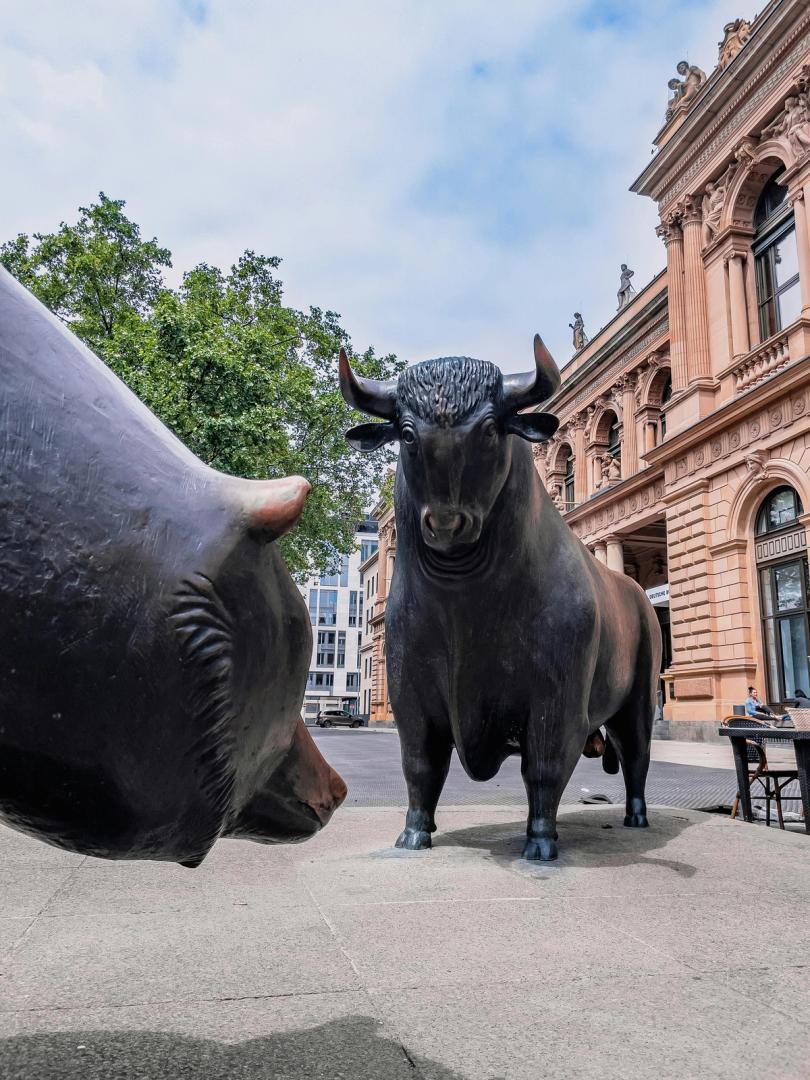
"Bitcoin feels like the CD in the age of Spotify, the DVD in the age of Netflix," wrote Jason Calacanis.
“The dead cat continues to bounce,” wrote investor Jason Calacanis as bitcoin returned to the $80,000 level on Friday.
Calacanis went on to argue that Bitcoin isn’t great for transactions or smart contracts, has an intimidating user experience, and no longer captures the public’s imagination.
“If it comes up at the dinner party,” said Calacanis, “it's followed by a hearty ‘remember that!’”
“Folks expect bitcoin to be stable and that it’s no longer a way to get rich quick,” he continued. “It’s boring … Advocates went from pirates to suits in orange ties, awkwardly sharing cringe memes — just like the cool kids do!”
“If Bitcoin were going to reach mass adoption and an important use case, it does better than anyone else, it would have by now.”
“You’ve watched Bitcoin grow since 2011,” responded Michael Saylor. “It’s now a $1.6 trillion success and the world’s most valuable digital asset.”
“Digital Capital is the killer app,” Saylor continued. “Preserving wealth across generations is a bigger ambition than entertaining a dinner party.”
As stablecoins move into regulated finance, APAC is becoming a key proving ground. This report maps the region’s rules, use cases, and RLUSD’s role.
Asanat Analysis — Why it matters
Michael Saylor's defiant response to Jason Calacanis's bitcoin skepticism signals an ongoing ideological divide among prominent technologists. Calacanis's media consumption analogy—positioning bitcoin as obsolete infrastructure—echoes arguments made since 2017 about blockchain's inability to compete with centralized alternatives on speed and efficiency. Saylor's counter ('the orange tie stays') invokes bitcoin's persistence despite repeated obituaries, referencing a cultural artifact (orange bitcoin merchandise) to underscore long-term commitment over cyclical trend-chasing.
This exchange reflects a deeper sector tension: whether bitcoin functions as settlement layer with asymmetric properties (Saylor's narrative) or as technology surpassed by faster, cheaper alternatives (Calacanis's framing). Calacanis's venture background suggests concern about bitcoin's role in a venture-scale ecosystem increasingly built on Ethereum and Layer 2s. Notably, both parties operate within crypto-friendly institutions, indicating this debate occurs within the industry itself rather than from external skeptics—a sign of maturing ecosystem self-critique rather than existential threat.