To ensure permanent economic innovation, we must pass the Clarity Act now
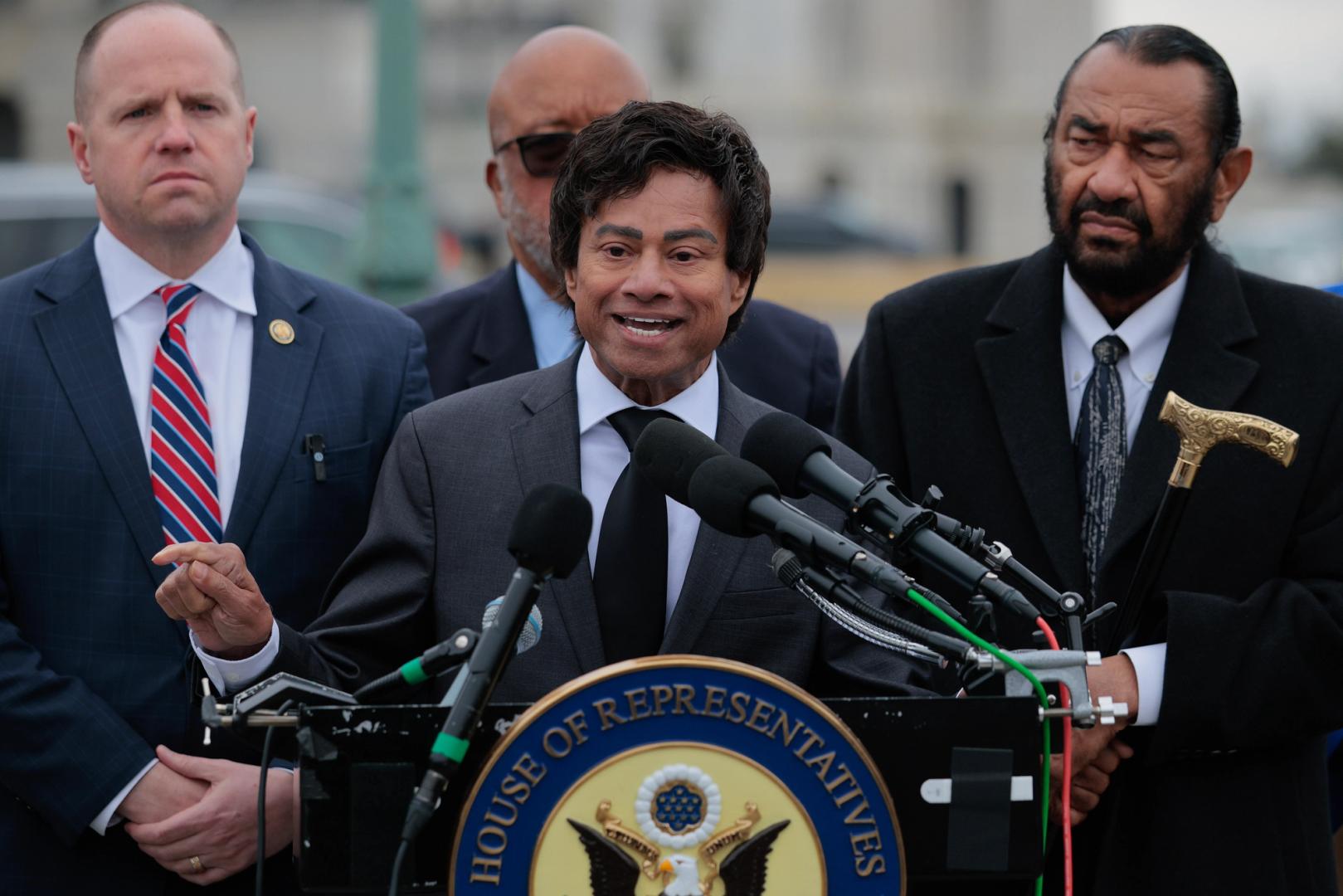
Congress needs 60 Senators willing to put innovation first and provide critical relief to the digital asset industry, argues Rep. Shri Thanedar (D-Mich.)
Asanat Analysis — Why it matters
The Clarity Act represents a structural attempt to establish regulatory definition for digital assets in the U.S., addressing a years-long gap where crypto operates under conflicting jurisdiction of the SEC, CFTC, and FinCEN without clear asset classification. A Democratic congressional voice advocating for 60-vote passage signals either shifting political consensus or tactical positioning ahead of potential Republican control—the bill requires supermajority support, implying author acknowledgment that it won't pass along party lines.
If enacted, clarity legislation typically reduces litigation risk for custody, staking, and derivatives platforms while potentially constraining regulatory agency latitude to reclassify assets retroactively. Historical precedent (e.g., post-Dodd-Frank commodity definition of Bitcoin futures) shows that formal statutory language accelerates institutional adoption by eliminating ambiguity premiums. However, the framing of 'permanent economic innovation' masks substantive disagreement: asset classification thresholds, custody standards, and DeFi protocol liability remain contentious across regulators and industry participants.