Treasury Drops Crypto Surveillance Proposals
Bitcoin Magazine Treasury Drops Crypto Surveillance Proposals In a major win for the industry, the Financial Crimes Enforcement Network has said it will scrap proposed rules targeting “unhosted wall...
In a major win for the industry, the Financial Crimes Enforcement Network has said it will scrap proposed rules targeting “unhosted wallets” and cryptocurrency mixing.
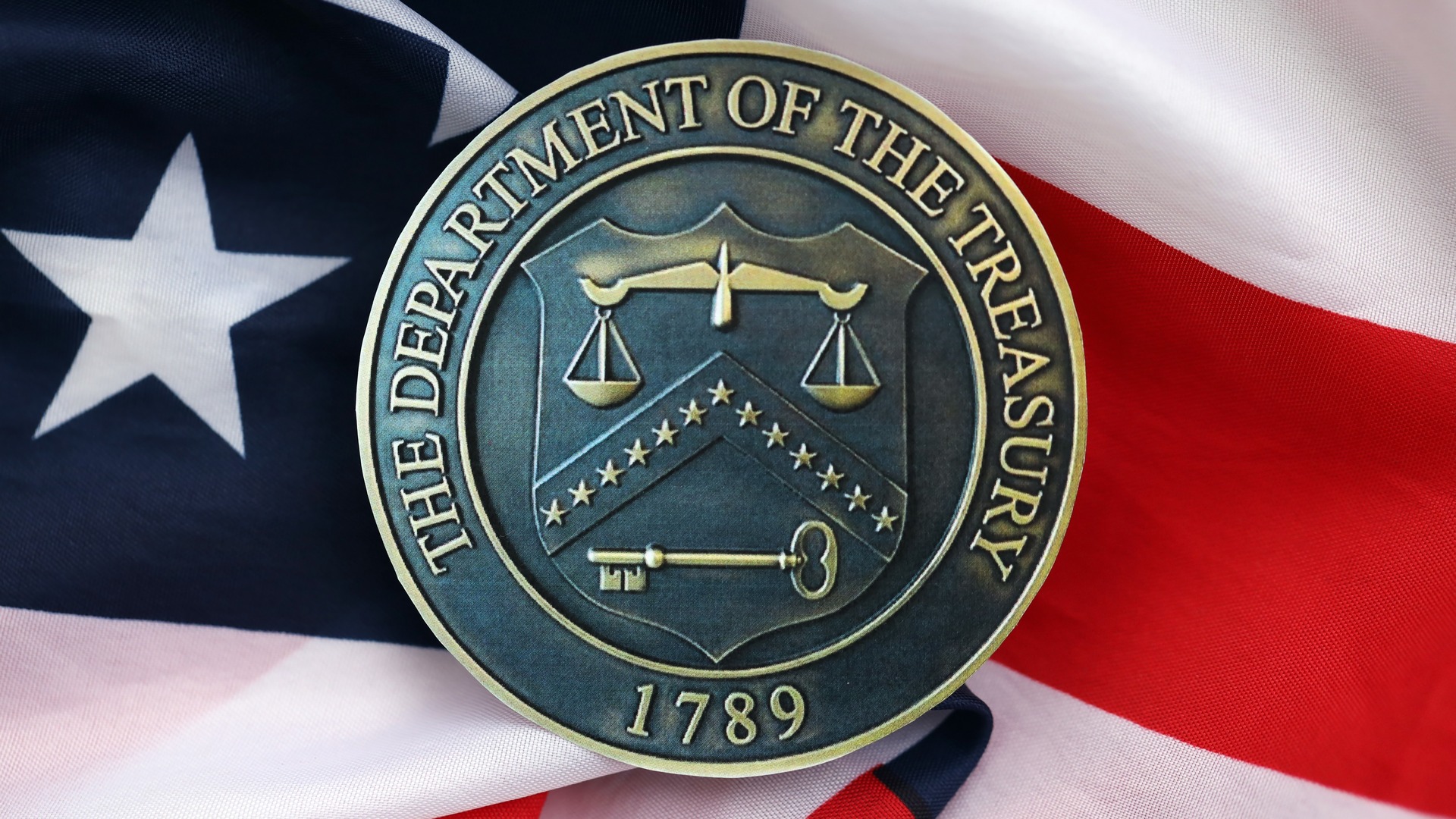
The Treasury Department is scrapping two long-stalled crypto surveillance proposals, handing a major win to privacy advocates and the digital asset industry.
The Financial Crimes Enforcement Network filed notices Monday withdrawing its 2020 “unhosted wallet” rule and a 2023 plan to brand international crypto mixing a “class of transactions of primary money laundering concern.” Both notices are set to appear in the Federal Register on Tuesday.
In a Monday statement, the Washington crypto policy group Coin Center said the news was “a significant victory for financial privacy.”
“The definition of mixing was extraordinarily broad, sweeping in common techniques used by ordinary cryptocurrency users to preserve their privacy,” Coin Center said.
“And because FinCEN acknowledged the difficulty of determining where a mixing transaction occurred, we argued that risk-averse financial institutions would inevitably report even purely domestic transactions, with potentially severe collateral consequences for innocent users, including account restrictions or closures.”
The wallet rule would have required banks and other financial institutions to report certain crypto transactions above $3,000 and $10,000 when customers held the assets in unhosted wallets.
The mixing proposal cast an even wider net. It defined mixing as anything that obscured the source, destination or amount of a crypto transaction, sweeping in pooled funds, split transfers, single-use wallets and even swaps between assets. FinCEN said commenters warned the definition “could have a chilling effect on legitimate activity” and would bury institutions in paperwork.
Institutions would have had to hand over wallet addresses, transaction hashes, IP addresses and customer identity details.
The reversal also tracks White House policy. A July 2025 report from the President’s Working Group on Digital Asset Markets said “the Trump Administration supports the ability of lawful users of digital assets to privately transact on a public blockchain,” and urged the Treasury to reconsider the rule.
The report acknowledged that criminals use mixers to launder funds but noted that lawful users rely on them for financial privacy.
FinCEN isn’t giving mixers a free pass. The agency said illicit actors “continue to use mixers and other tools and methods to hinder law enforcement investigations.”
It added that it will keep watching for money laundering and terrorist financing and may act in the future.
Asanat Analysis — Why it matters
The withdrawal of FinCEN's unhosted wallet surveillance rules represents a significant regulatory reversal, likely reflecting sustained industry pushback and practical implementation concerns that emerged during the comment period. These proposals would have required exchanges and custodians to collect enhanced due diligence on self-custody transfers—a framework widely criticized as technically infeasible and incompatible with blockchain's pseudonymous design. The retreat signals either genuine recalibration by regulators or political constraints that shifted the calculus.
This outcome matters structurally because unhosted wallet rules threatened the entire value proposition of non-custodial finance. Compliance would have created a compliance gap where regulated entities couldn't service self-custody users, effectively partitioning the ecosystem. The decision preserves the regulatory uncertainty but removes a specific, imminent compliance cliff. However, this is a procedural win, not a policy victory—FinCEN may return with revised proposals, and other agencies (SEC, CFTC, state regulators) continue advancing parallel frameworks around staking, lending, and trading surveillance.