Two Robinhood engineers charged with insider trading using Hyperliquid perpetuals
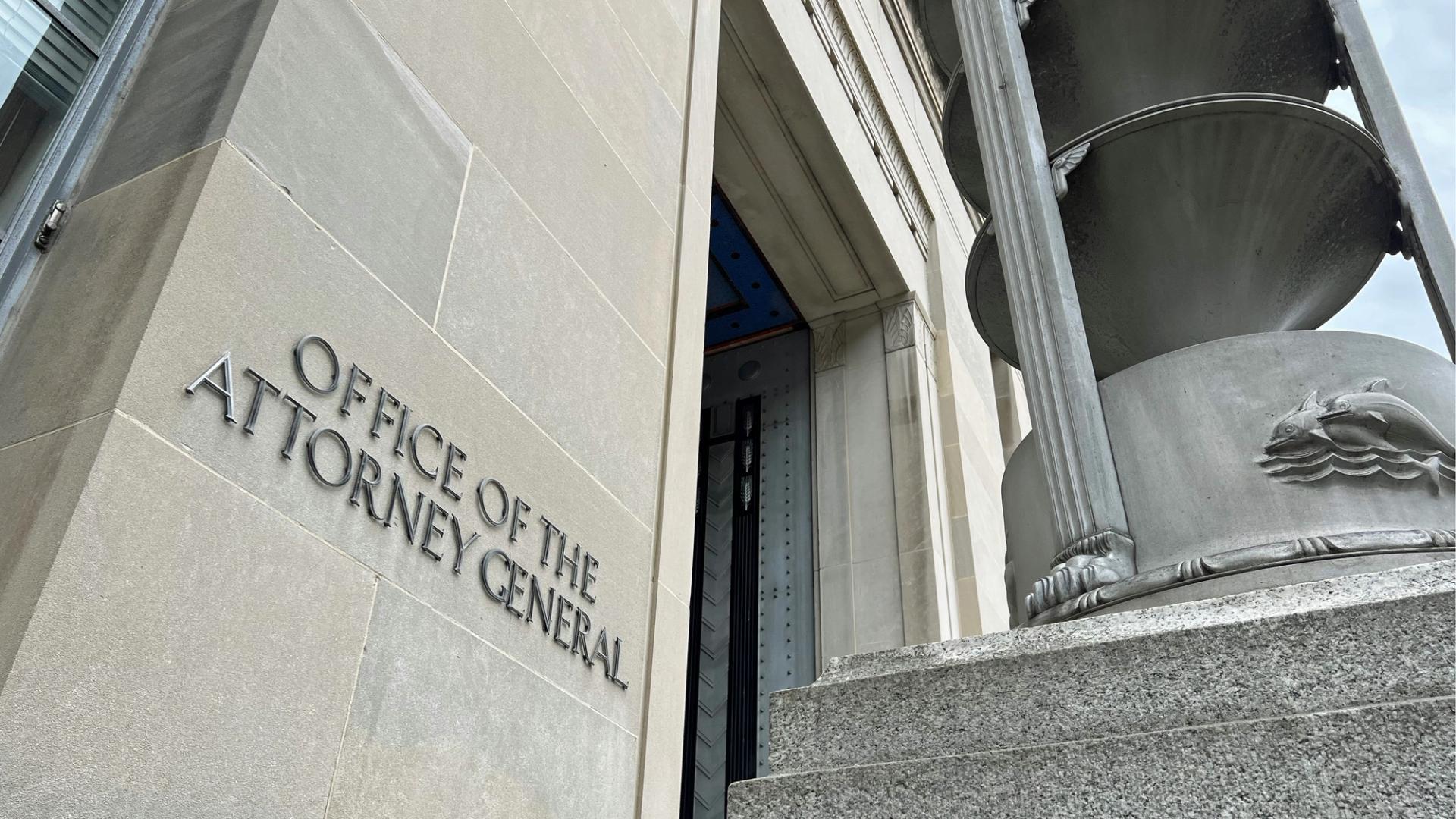
U.S. prosecutors allege two engineers used confidential Robinhood token listing data to front-run announcements using Hyperliquid perpetual futures.
Two Robinhood HOOD$110.19·Market Closed engineers allegedly stole confidential information from their employer to trade perpetual futures on Hyperliquid for personal benefit, according to Jamie McDonald, U.S. Attorney for the Southern District of New York.
“Misappropriating confidential information to trade in the derivatives markets for personal benefit is illegal,” McDonald said in a statement on Tuesday. “That is exactly what we allege Hefu Chai and Huaisong Xiang have done.”
The case puts trading on decentralized derivatives platforms within the same enforcement framework prosecutors use for other trading based on confidential corporate information. The use of perpetual futures did not shield the alleged trades from commodities and wire-fraud laws, prosecutors said.
McDonald alleges that between 2025 and 2026, Chai, 36, and Xiang, 30, bought perpetual futures linked to crypto tokens on Hyperliquid on several occasions in advance of the trading platform’s public announcements that the underlying assets would be listed on Robinhood Crypto. They each allegedly profited more than $50,000 from the trades, the statement said. If found guilty, they could face up to 10 years in prison.
Robinhood takes market integrity seriously and has zero tolerance for insider trading,” a Robinhood spokesperson said in an email statement. “We immediately investigated and reported this matter to law enforcement and regulators, and will continue to cooperate with their investigations.”
The filing against Chai and the one against Xiang claim the two were designated “Coin Aware Individuals,” a group with access to a private Slack channel containing information about planned listings. Robinhood’s policy barred those employees from trading the tokens on any platform before, and for 24 hours after, a public listing announcement.
Perpetuals are derivative products that allow investors to take positions on the price movements of an underlying digital asset without owning the asset itself. Unlike traditional futures contracts, perpetuals do not expire and can be maintained indefinitely, and traders make or receive periodic funding payments to keep their positions open.
The Chai complaint alleges he traded ahead of at least 10 Robinhood listing announcements. The Xiang complaint alleges he did so on at least 11 occasions.
“Hefu Chai and Huaisong Xiang are charged with commodities fraud and wire fraud for allegedly exploiting confidential business information taken from their employer to trade perpetual futures,” said James C. Barnacle Jr., FBI assistant director in charge.
Jane Street Group, one of Wall Street’s largest trading firms, was earlier this year charged with insider trading by New York prosecutors. The firm allegedly used a private Telegram backchannel with Terraform Labs insiders to dump $192 million of the TerraUSD (UST) stablecoin before its collapse in May 2022.
As stablecoins move into regulated finance, APAC is becoming a key proving ground. This report maps the region’s rules, use cases, and RLUSD’s role.
Asanat Analysis — Why it matters
This case establishes a critical enforcement precedent: decentralized derivatives platforms do not create a legal safe harbor from insider trading statutes. Prosecutors explicitly charged commodity and wire fraud—not novel crypto-specific crimes—demonstrating that existing securities/commodities law applies uniformly across venue types. The modest profit scale (~$50k per defendant) suggests enforcement focus is shifting from whale-scale misconduct to systemic integrity, likely signaling increased scrutiny of information asymmetries within crypto infrastructure.
The charges highlight structural vulnerabilities in how crypto businesses gate access to material nonpublic information. Robinhood's 'Coin Aware Individuals' designation and private Slack channel created detectable behavioral patterns—trading perpetuals minutes/hours before announcements is forensically obvious on-chain. This mirrors the Jane Street/Terraform Labs precedent, suggesting prosecutors now treat crypto trading as fully legible to retrospective analysis. For the industry, it implies compliance frameworks must assume all trading activity is discoverable.
The case carries second-order consequences for decentralized perpetuals platforms. Hyperliquid's role as the execution venue does not shield it from being evidence in fraud prosecution, but prosecutors did not charge the platform itself—a meaningful distinction. However, DeFi derivatives protocols may face increased pressure to implement transaction surveillance, KYC linkage, or regulatory reporting, especially if similar cases multiply. The precedent also raises questions about employee trading policies across crypto firms with non-public listing calendars.