Uber CISO says frontier AI needs insider-threat monitoring
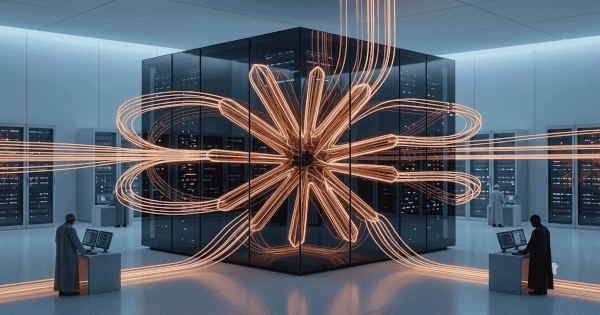
Philip Martin says AI agents need real-time monitoring and controls similar to employee insider-threat programs, citing Uber's ADR and safeguards. (Read More)
Asanat Analysis — Why it matters
Philip Martin's statement reflects growing institutional concern about autonomous AI systems operating within infrastructure—a class of risk that extends well beyond traditional cybersecurity. Insider-threat frameworks assume a human actor with motives; frontier AI agents operate without clear intent models, making detection harder. Uber's mention of ADR (Autonomous Data Retrieval) suggests the company is already running systems with meaningful access to internal state, necessitating real-time observability. This signals that major tech firms are moving past theoretical AI safety discussions into operational risk management.
For the crypto and DeFi sector, this is particularly relevant. Decentralized systems increasingly rely on automated agents for liquidations, arbitrage, oracle updates, and governance execution. If traditional tech firms require insider-threat parity for AI agents, crypto protocols operating across permissionless networks face an even harder problem: monitoring and constraining agents they don't control. This statement from a CISO at a company handling billions in transactions suggests regulatory and insurance pressure is building around autonomous systems, which could accelerate demand for provable execution environments, on-chain logging, and formal verification—areas where Ethereum infrastructure and protocols like Aave, Uniswap, and Compound are already investing.