U.S. House panel shares crypto tax bill ahead of hearing later this week
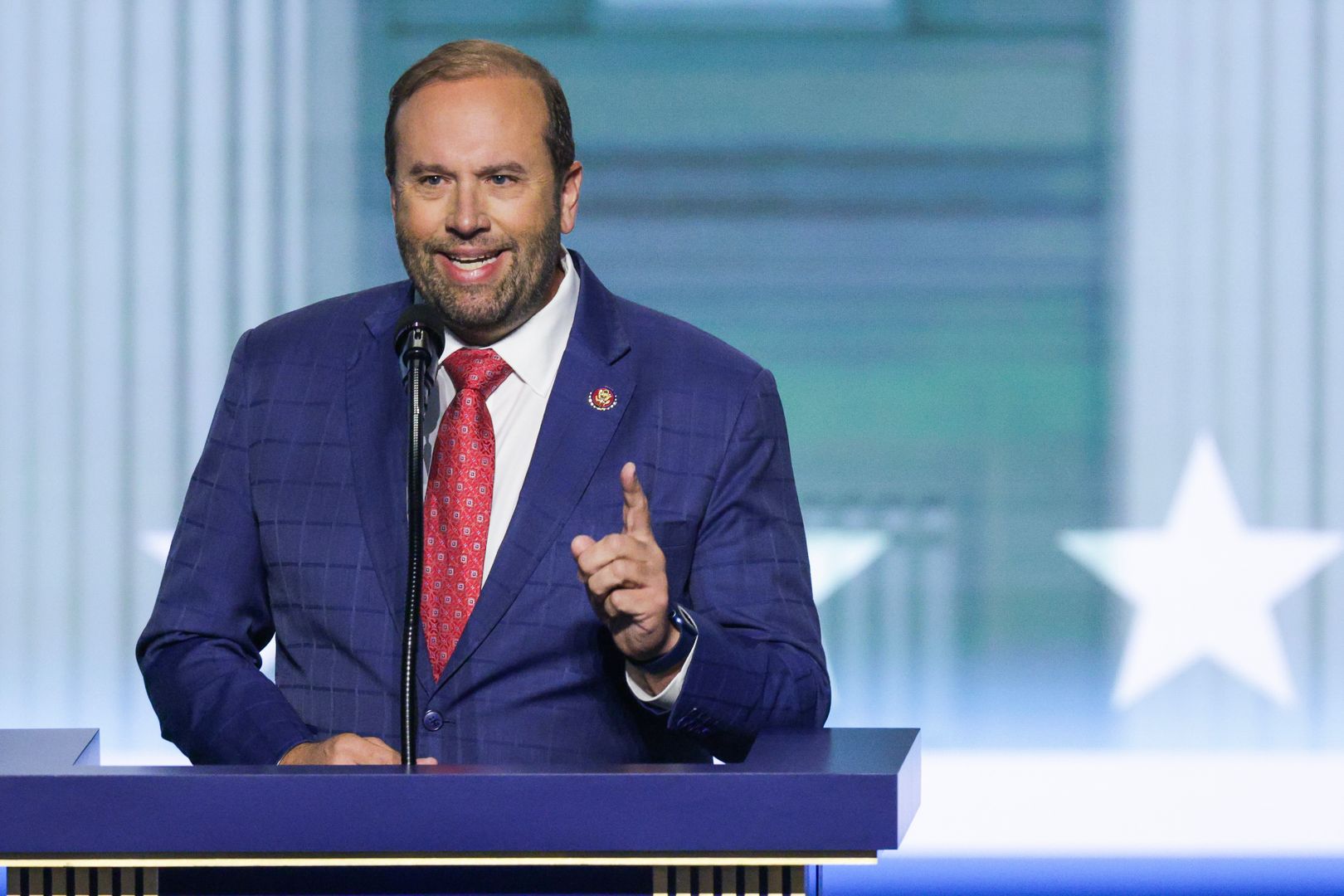
The House Ways and Means Committee published a crypto tax bill addressing de minimis transactions, staking and other issues for which the industry's clamored for policies.
Asanat Analysis — Why it matters
The House Ways and Means Committee moving a crypto tax bill to hearing signals potential movement on three long-contested regulatory gaps: de minimis thresholds (exempting small transactions from reporting), staking income treatment, and broader tax clarity. This represents legislative follow-through on industry asks that have persisted since at least 2021, when similar proposals stalled. The committee's timing—publishing before hearing—suggests intentional stakeholder engagement rather than surprise positioning.
De minimis rules particularly matter operationally: without them, every small trade/NFT sale triggers Form 8949 filing obligations, creating compliance friction that has chilled retail participation. Staking tax treatment affects protocol economics; if rewards face mark-to-market treatment at receipt rather than realization, validator ROI calculations shift materially. The hearing this week will test whether consensus exists across ideological lines—crypto taxation has historically been bipartisan irritation, not partisan divide, since both sides want revenue certainty and tax compliance.
Passage remains uncertain; the bill's survival depends on broader fiscal priorities and whether industry lobbying translates to votes. But publication itself signals the Ways and Means Committee views crypto taxation as settled enough for formal legislative text, a status shift from 2022-2024 rhetoric. This establishes a policy baseline others will reference, even if this iteration doesn't pass.