US seeks $61M in USDT allegedly tied to sanctioned Iranian oil sales
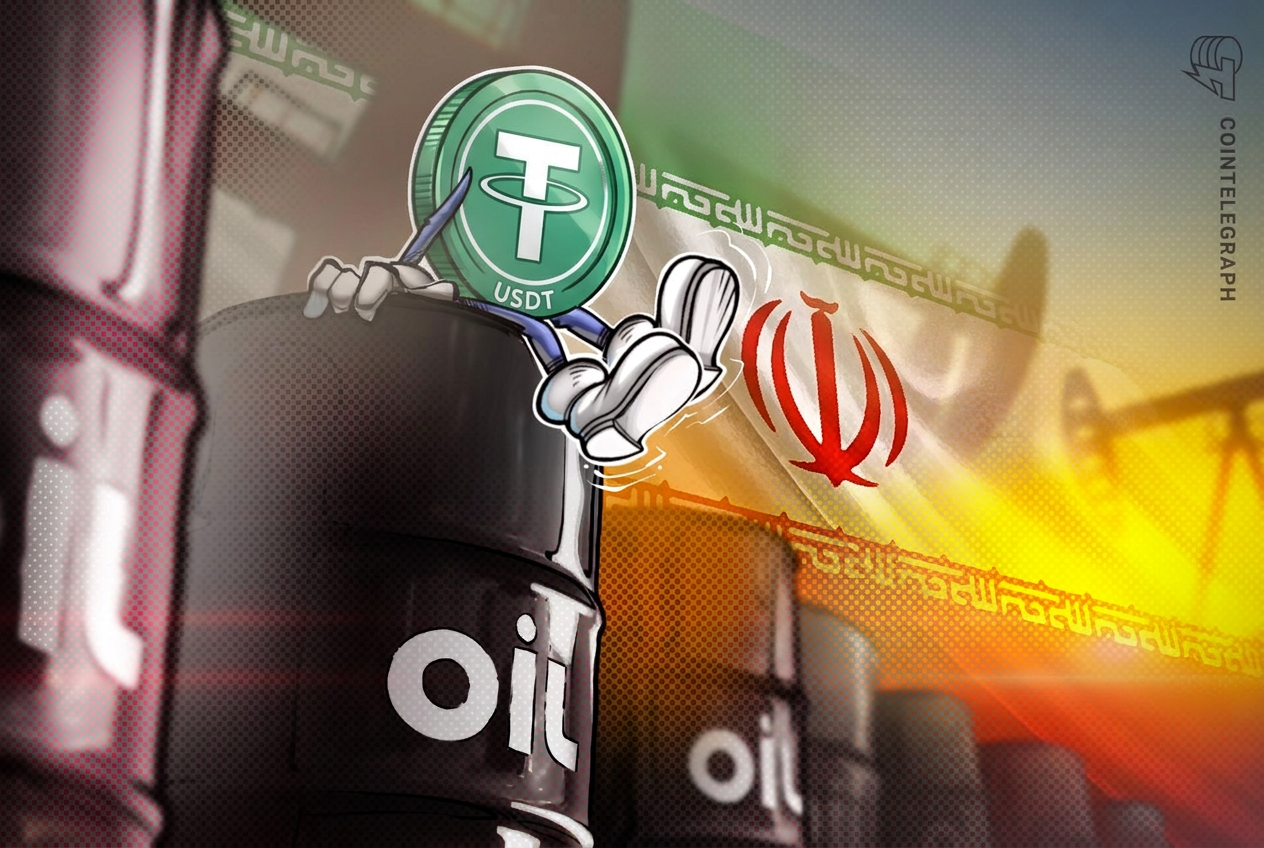
Tether froze $61.19 million across 10 Tron addresses in 2025 that prosecutors allege were connected to black-market Iranian oil proceeds.
Asanat Analysis — Why it matters
The seizure of $61M in USDT tied to Iranian oil sales underscores stablecoin issuers' evolving role as de facto financial gatekeepers. Tether's cooperation with US authorities—freezing funds on-chain via Tron—demonstrates that stablecoin infrastructure now carries sanctions compliance obligations similar to traditional banking. This reflects a critical shift: tokens once celebrated for censorship-resistance are now subject to the same AML/OFAC frameworks that govern fiat rails.
The incident signals regulatory maturation in crypto enforcement. Rather than pursuing Tether directly, prosecutors leveraged the issuer's ability to blacklist addresses—a technical function baked into USDT's design. This precedent will likely accelerate adoption of freezing mechanisms across other stablecoins and may influence protocol-level architecture decisions. For DeFi and non-custodial venues, it reinforces why bridges to fiat-backed stablecoins introduce compliance vectors that decentralized alternatives (e.g., algorithmic or collateralized stablecoins) theoretically avoid—though at other trade-offs.