Wells Fargo in talks with Kraken parent Payward for crypto trading liquidity
The discussions would see Payward supply liquidity for crypto trading as major banks deepen their involvement in digital assets.
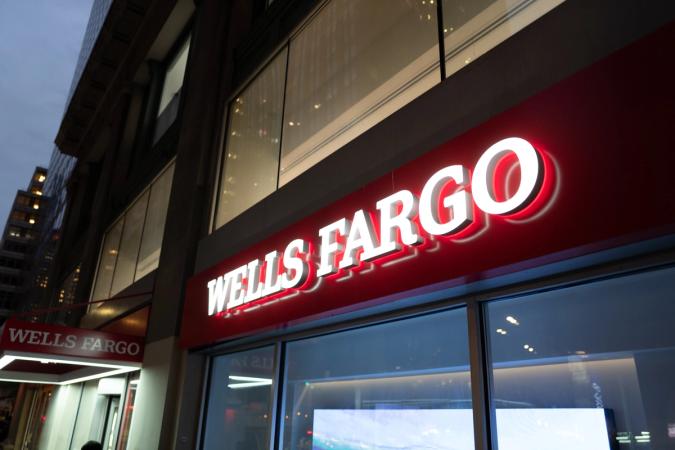
Payward, the parent company of crypto exchange Kraken, is in talks to become a crypto liquidity provider to U.S. financial giant Wells Fargo (WFC), according to two people with direct knowledge of the matter.
Under the potential deal, Wyoming-based Payward would supply liquidity for trading in crypto assets, the people said, speaking on condition of anonymity because the matter is private.
Crypto exchanges often serve as gateways to digital asset liquidity for banks and institutional investors, providing access to trading venues and helping execute orders. For example, Coinbase Prime aggregates liquidity across multiple markets, while Kraken offers banks technology to integrate crypto trading into their own platforms, allowing them to serve clients without building the infrastructure themselves
The discussions suggest major banks are increasingly turning to established crypto companies to support their digital asset ambitions. A friendlier U.S. regulatory environment is also helping drive that shift. Under a more accommodating regulatory climate during President Donald Trump’s administration, major lenders are increasingly viewing established digital asset companies such as Payward as commercial partners, signaling the sector’s growing acceptance within traditional finance.
The GENIUS Act, signed by Trump in July 2025, established a federal framework for payment stablecoins, providing clearer rules for a key link between crypto markets and the banking system.
During the industry’s banking squeeze, crypto firms struggled to secure basic banking services. Anchorage Digital CEO Nathan McCauley told the Senate Banking Committee in February 2025 that more than 40 banks rejected its requests for accounts despite its subsidiary holding a federal bank charter.
Wells Fargo already offers spot bitcoin exchange-traded funds (ETFs) to eligible wealth clients and has backed crypto compliance firm Elliptic and trading technology provider Talos. It has also announced plans for blockchain-based deposits and joined a consortium developing a dollar stablecoin, extending its digital asset activities into payments.
The California-based financial services firm strengthened its digital assets team earlier this year by hiring former Citi (C) banker Mark Gracia. The bank also served as Nasdaq’s exclusive capital markets adviser on the exchange operator’s September agreement to invest $100 million in Payward and deepen their collaboration on tokenized equities and market surveillance.
Payward is separately in talks with custody banking giant BNY over a broad financial-infrastructure partnership, CoinDesk reported last week. Those discussions could cover crypto products, custody, wealth management, trading and payments, further extending the company’s ties with established financial institutions.
Beyond operating Kraken, Payward offers trading, payments and financial infrastructure spanning spot crypto, derivatives, tokenized equities, custody, staking and traditional securities. Its Payward Services division provides infrastructure to banks, fintechs, brokerages and payment companies.
As stablecoins move into regulated finance, APAC is becoming a key proving ground. This report maps the region’s rules, use cases, and RLUSD’s role.
Asanat Analysis — Why it matters
Wells Fargo entering liquidity talks with Payward signals institutional banking's shift from crypto skepticism to operational integration. Unlike previous bank forays that remained siloed, this arrangement positions Kraken's parent—a regulated prime broker—as core infrastructure for a systemically important lender. The timing matters: major U.S. banks have faced regulatory pressure to either embrace digital assets or cede market share to competitors. Wells Fargo's scale (top 4 U.S. bank by assets) legitimizes crypto liquidity as a persistent business line, not a speculative sideline.
For the crypto ecosystem, this represents infrastructure normalization rather than price catalyst. Payward's role as liquidity provider to Wells Fargo doesn't increase on-chain adoption or DeFi TVL; it enables banks to offer crypto trading to existing retail clients without building internal trading desks. This mirrors how traditional finance absorbed equities—outsourcing execution to specialists. The second-order effect: if successful, it creates a template for other Tier 1 banks to follow, expanding institutional custody and trading rails that have been Coinbase and Galaxy Digital's near-monopoly.
Watch whether regulatory approval hinges on segregation of bank-owned capital from customer flows, or if Payward must absorb counterparty risk. This detail determines whether the deal strengthens crypto's independent infrastructure or becomes another distribution channel for legacy finance.