Why Payward-backed Reap is betting on non-USD stablecoins for 24/7 cross-border FX settlement
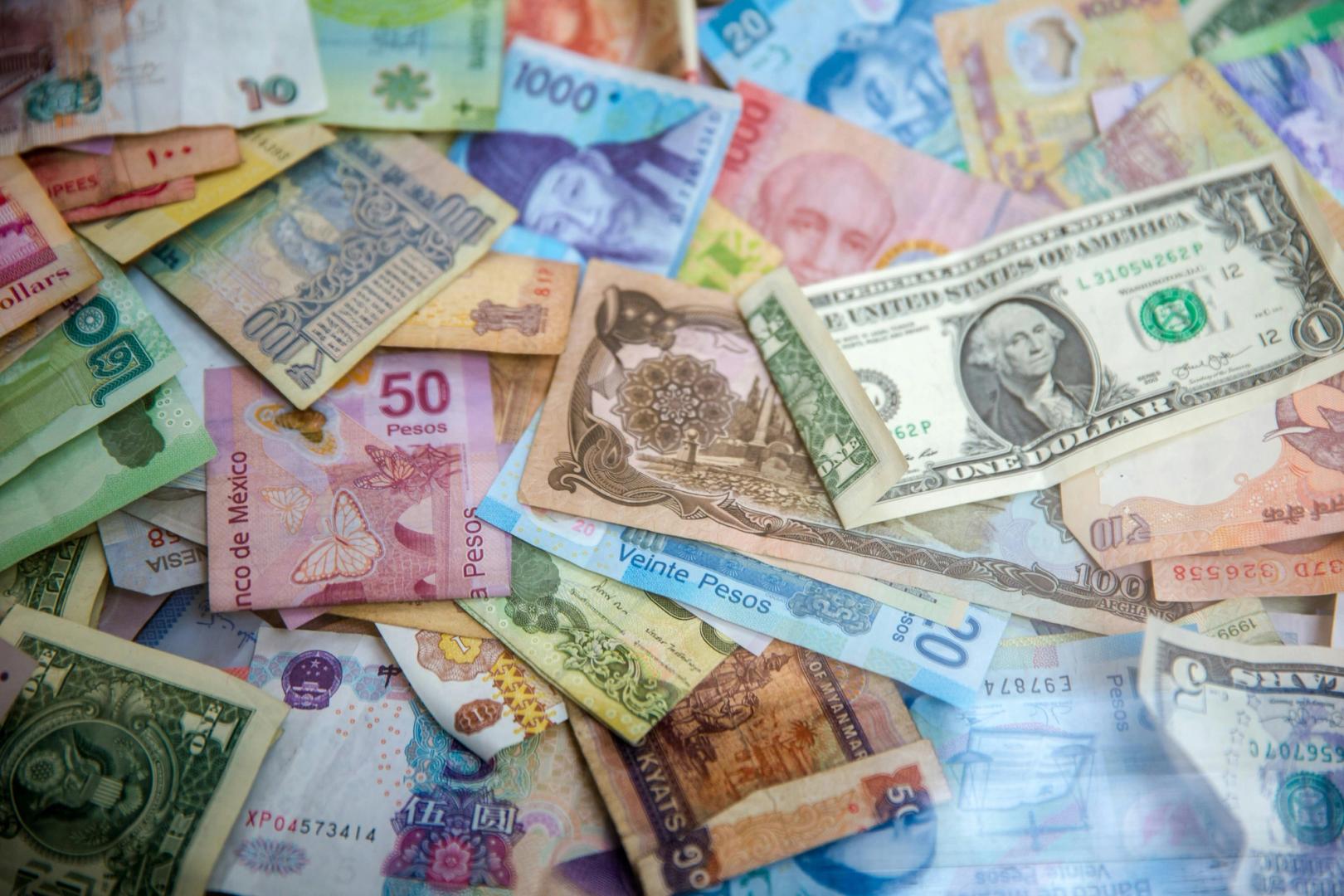
Reap is preparing to add a Mexican peso stablecoin and is exploring Hong Kong dollar, euro, won and yen tokens for foreign exchange outside banking hours.
Reap, a fintech platform and Visa Principal Issuer Member (VPIM), is preparing to add a Mexican peso stablecoin to its card, cross-border payments and treasury products, its founder told CoinDesk.
Hong Kong-based Reap is exploring tokens pegged to the Hong Kong dollar, the euro, the won and the yen, founder Daren Guo said in an email.
The company is pursuing the expansion through its global stablecoin partnership with Visa, which provides its card programs with around-the-clock settlement.
Reap, which is owned by Kraken parent company Payward, can issue cards on its own bank identification numbers, or BINs, and says it can support partners in more than 100 markets.
“Visa makes stablecoins settle. Reap makes them spendable,” Guo said. “Our recent acquisition by Payward opens up additional capabilities,” including possible access to yield, tokenized equities and trading.”
Public blockchains run continuously, but global foreign exchange (FX) still relies on banking hours, correspondent banks and settlement that can take days. In emerging and cross-border markets, moving money between currency corridors can incur fees of 5% to 7%, Guo said.
Stablecoin payments are overwhelmingly dollar-denominated, nearly 99%, even when the underlying commercial activity occurs in local currencies worldwide.
Reap’s plans suggest a potential use case for local-currency tokens, enabling companies to move money and manage foreign-echange exposure outside banking hours, rather than merely using stablecoins for crypto trading and dollar settlement.
“Demand for non-USD stablecoins is driven by market demand and Reap’s priorities, especially as clients aim to get a more localized and cost-efficient experience,” Guo said.
Reap holds VPIM licenses in Hong Kong and Mexico, making the peso token a practical first addition. It is also considering Hong Kong dollar, euro, won and yen stablecoins for onchain 24/7 foreign exchange, Guo said, without providing a rollout timetable or naming the prospective issuers.
The company said it is integrating stablecoin settlement into a broader product suite that includes cards, cross-border payouts, treasury tools and compliance and fraud controls. Reap’s card and payments volume rose 33% year over year in the first half of 2026, after revenue and volume tripled in 2025, Guo said.
Visa’s stablecoin work operates at the network level, while Reap handles the regulated card-issuing business, including customer checks, bank relationships and cardholder compliance, Guo said.
Visa does not view blockchain settlement as a replacement for conventional payment systems, according to Stephen Karpin, the company’s Asia-Pacific president.
“We do not view this as a binary choice between blockchain networks and traditional banking infrastructure. We see them as being complementary,” Karpin said. “The opportunity is to reduce friction where stablecoins can provide operational benefits, while maintaining interoperability with the broader financial system.”
As stablecoins move into regulated finance, APAC is becoming a key proving ground. This report maps the region’s rules, use cases, and RLUSD’s role.