A 60-Vote Hurdle Tests CLARITY as Crypto Rules Evolve
Grayscale says U.S. crypto regulation does not live or die on a single Senate procedure. In a research note published ahead of the September 15 cloture vote on the CLARITY Act, the asset manager argued that federal digital-asset policy is advancing on multiple fronts, including stablecoins, token issuance, tokenized securities and derivatives, regardless of whether the bill clears its next hurdle.
That does not make the vote irrelevant. Grayscale’s position is that CLARITY remains a comprehensive route to a federal framework, while its failure would not halt work already developing in other areas of digital-asset policy.
Grayscale Research believes meaningful crypto regulation will move forward regardless of its outcome. US policymakers are already building clearer frameworks for stablecoins, token issuance, tokenized securities, and… pic.twitter.com/666Xpd6fvh
Grayscale Research set out its position in a post on X, saying that passage of the CLARITY Act was not necessary for further regulatory progress involving stablecoins, token sales, and crypto derivatives. The post reflects the firm’s view heading into a consequential week in Washington, rather than predicting the bill’s eventual outcome.
The September 15 Senate vote concerns cloture on a motion to proceed, rather than final passage of the CLARITY Act. The procedural step would determine whether the Senate can move forward with formal consideration of the legislation. A successful result would allow the chamber to begin that process, which can include debate and amendments; it would not enact the bill.
The motion needs 60 votes to advance. Republicans hold 53 Senate seats, so the outcome depends on unified Republican support or support from Democratic senators. The path remains uncertain amid discussions involving ethics rules, conflicts of interest, and other issues affecting crypto companies and government officials.
Grayscale’s argument points to work already underway outside the CLARITY Act. The GENIUS Act established a federal regulatory system for payment stablecoins and rules for issuers, providing a framework independent of the Senate’s action on CLARITY.
Grayscale also said the SEC has proposed rules for token sales and securities activity conducted on blockchain rails, while the CFTC has broadened access to regulated crypto derivatives. The firm cited developments involving Kalshi and Coinbase as examples of regulated pathways for derivatives that do not depend on comprehensive legislation.
These developments do not make CLARITY redundant. The bill aims to establish a wider federal framework for digital assets and would formally divide regulatory responsibilities between the SEC and CFTC. Grayscale’s central point is that crypto regulation and tokenization policy can continue through legislation, agency rules, and regulated market products even if the bill does not advance.
The CLARITY Act seeks to establish a broader federal framework for digital assets and to allocate regulatory responsibilities between the SEC and the CFTC. A failed or delayed cloture vote would complicate the bill’s path, even as stablecoin rules, tokenization proposals, and derivatives access continue to develop through separate channels.
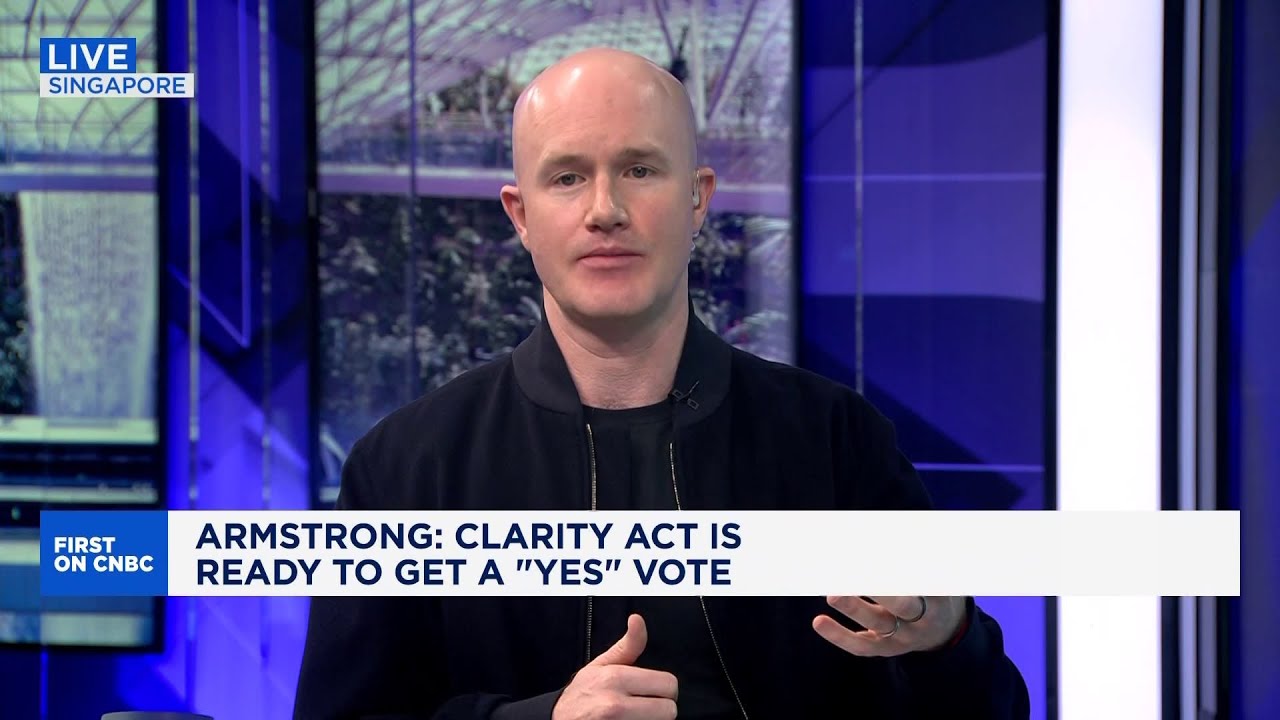
Coinbase CEO Brian Armstrong has expressed that the bill has early support, while other lawmakers have questioned whether it can reach the 60 votes required to advance. That difference in expectations underscores the distinction between the industry’s interest in a comprehensive framework and the narrower regulatory developments already underway.
Grayscale’s assessment is that CLARITY would provide the most comprehensive federal structure for crypto markets, but its passage is not the only path for U.S. regulatory progress. The September 15 cloture result will test whether the Senate can move forward with formal consideration of the bill, rather than decide the overall direction of American crypto policy.
It remains uncertain whether CLARITY can secure the 60 votes needed to advance and, if it does, how the measure would fare during debate, amendments, and a later final-passage vote. The procedural vote is therefore an important test for the bill, while other areas of crypto regulation continue on their own tracks.
Established in 2013, 99Bitcoin’s team members have been crypto experts since Bitcoin’s Early days.
Alex is a seasoned cryptocurrency trader and market analyst with over seven years of active experience in the digital asset space. Since entering the markets in 2017, Alex has specialized in identifying emerging "meta" trends and high-volatility narratives. Notably, Alex... Read More
Asanat Analysis — Why it matters
The CLARITY Act cloture vote tests whether comprehensive crypto regulation can advance through Congress, but Grayscale's framing signals a maturation in regulatory pathways that reduces dependency on any single legislative outcome. The bill requires 60 votes in a narrowly divided Senate where Republicans hold 53 seats, making passage contingent on cross-party support amid unresolved questions around conflicts of interest. Procedurally, the September 15 vote only determines whether debate can proceed—not final passage—leaving multiple decision points ahead.
What distinguishes this moment is that stablecoin rules (GENIUS Act framework), tokenized securities rulemaking (SEC proposals), and derivatives access (CFTC expansion, Kalshi, Coinbase products) are already advancing independently. This parallel development means U.S. crypto policy is effectively decentralizing across agencies and legislation rather than bottlenecking on CLARITY's fate. A failed cloture vote would delay comprehensive framework-building but would not arrest regulatory momentum in specific asset classes, reducing the existential stakes for industry participants.
The gap between Coinbase's optimism and skeptical lawmakers suggests real uncertainty about achieving 60 votes despite industry alignment. However, the existence of alternative regulatory channels—some already operational—means the market has hedged against legislative failure. The vote's significance lies less in determining 'whether' regulation happens and more in 'how quickly' a unified federal structure emerges versus fragmented agency-led rules.