Crypto's Fairshake repeats history with $30 million to oppose Sherrod Brown Senate bid
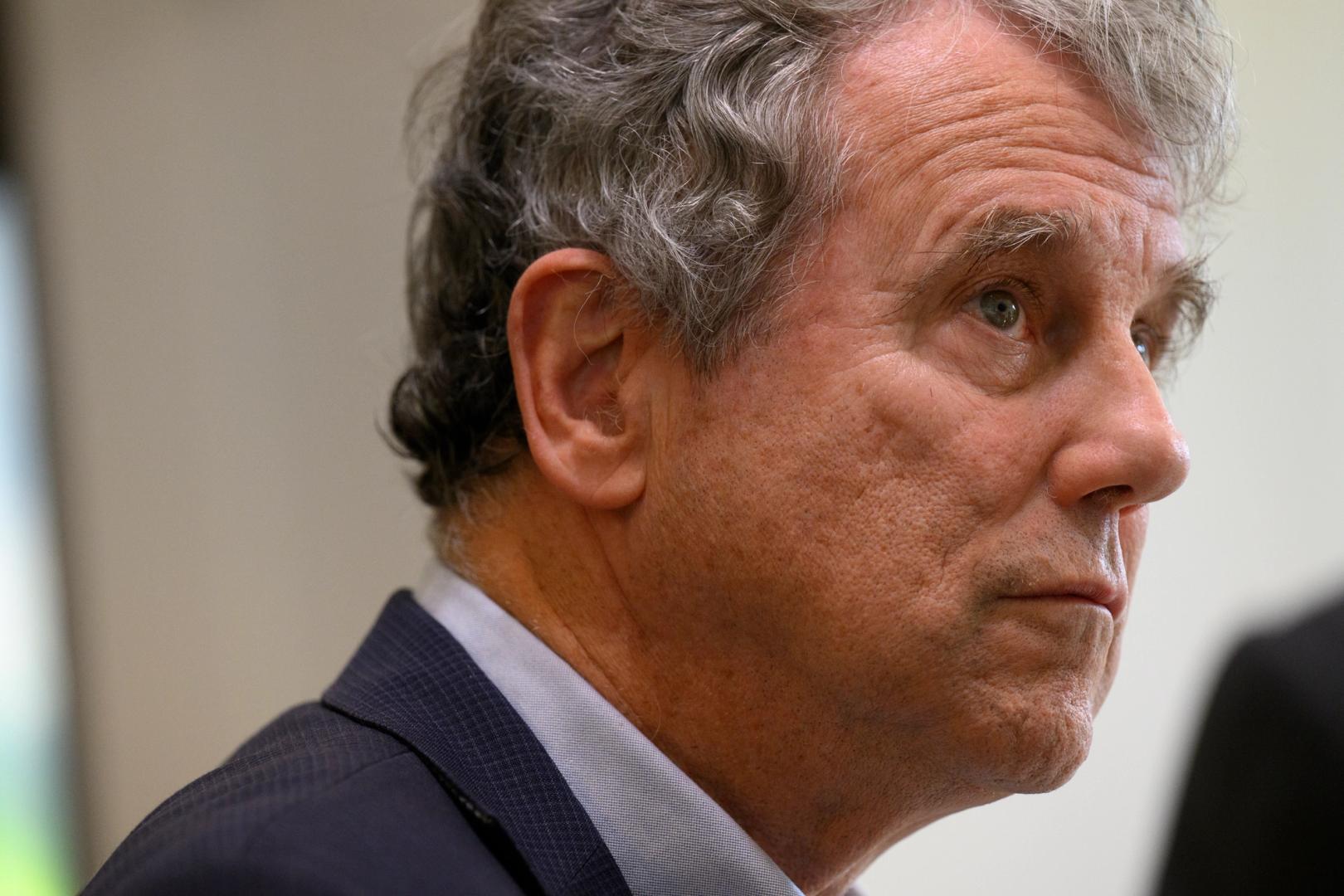
It's the biggest spending from the industry's campaign arm in 2026, much like Fairshake's $40 million against Brown two years ago was its largest-ever outlay.
The crypto industry's leading campaign-funding operation, Fairshake, has committed $30 million to defeating Sherrod Brown's Ohio campaign to return to the Senate. That massive spending is an echo of the $40 million the same political action committee devoted to defeating Brown two years ago — an effort that helped remove a U.S. Senate roadblock for the sector.
The current Republican majority in the Senate has been productive for crypto advocates despite the recent failed vote for a key bill, and a Brown win this year could help shift the needle toward the Democrats' narrow chance to get the majority back. Plus, Brown's critical view of the crypto sector had been a thorn in the side of the businesses that backed Fairshake and its affiliates — mainly Coinbase, Ripple Labs and a16z.
The digital assets industry had spent years unsuccessfully trying to get U.S. market structure legislation — or any other meaningful crypto bill — through the Senate Banking Committee that Brown led. Once the super PAC's spending helped unseat the Ohio Democrat two years ago and replace him with pro-crypto Senator Bernie Moreno, the committee dealt successfully with a major bill to regulate stablecoin issuers and nearly reached the finish line on the Digital Asset Market Clarity Act.
But a potential Brown return wouldn't necessarily mean he'd come back to the role he once occupied, because Senator Elizabeth Warren is the current top Democrat on the banking panel and is widely expected to be first in line for the gavel if her party takes back the Senate.
Still, Fairshake has decided his defeat is worth $30 million, PAC spokesman Geoff Vetter confirmed on Monday.
That makes the largest — by far — industry spend against a single candidate in these midterm elections, as the weeks wind down toward the November 3 election day. Vetter said Fairshake would have more announcements to make in the coming days on its strategy during this final stretch. Fairshake still has more than $90 million on-hand that it can use in the general, Vetter confirmed.
At the moment, polling conducted this month of 1,000 likely Ohio voters showed 48% support Brown and 45% are backing the Republican incumbent, Senator Jon Husted. And betting on Polymarket has Brown at a 57% likelihood to win.
Asked for comment on the Fairshake spending, Brown's campaign sent CoinDesk a press release it issued today that included a statement from the former senator’s campaign manager. “Jon Husted's for sale and the billionaires and corporations pouring millions into this race know it,” said Patrick Eisenhauer, the campaign manager.
Until the commitment against Brown, first reported by the New York Times, the second-biggest race for Fairshake's cash infusions was the Alabama Senate primary contest in which the super PAC committed about $12 million to get Barry Moore his nomination in a deeply Republican state in which he's expected to win the general election. But the third-highest spending was an expensive disappointment for the sector, with Fairshake having splashed out more than $10 million in failing to derail the Senate primary bid of Illinois Lt. Gov. Juliana Stratton. Stratton is also expected to win her general election race.
Fairshake has been carefully bipartisan in its support or opposition of candidates, according to the roster of campaigns it's been involved with. But the big-ticket spending has generally either gone toward supporting Republicans or opposing Democrats as the fate of the Senate is decided this year.
Despite making waves two years ago with its successful support of some 53 members of Congress — about one in 10 lawmakers in Washington — the industry's gargantuan election spending through Fairshake didn't yet manage to secure the crypto advocates' top U.S. policy priority: the Clarity Act. Still, the industry is doubling down on the strategy to elect pro-crypto lawmakers from both parties, paying for advertisements that don't mention crypto at all but are designed to make whatever political arguments have the best chance of helping their candidates win.
U.S. Supreme Court decisions have opened the abilities of industry PACs to devote unlimited funds to politicians, but the money is spent independently to purchase ads outside of each candidate's official campaign. The amounts the super PACs are spending generally outstrip the levels of direct campaign contributions that candidates can raise themselves, which are capped by U.S. election laws.
As stablecoins move into regulated finance, APAC is becoming a key proving ground. This report maps the region’s rules, use cases, and RLUSD’s role.
Asanat Analysis — Why it matters
Fairshake's repeat $30M spend against Sherrod Brown signals crypto's sustained political infrastructure and willingness to concentrate resources on perceived hostile figures. Brown, who led banking committee resistance to crypto-friendly regulation in the prior Congress, represents the regulatory opposition crypto wants to neutralize. The escalation from 2024's $40M to renewed spending—now among the largest 2026 outlays—demonstrates the industry views this race as strategically critical, likely reflecting either tightening polling or conviction that Brown's re-election would significantly constrain favorable legislation.
This spending pattern reveals structural shifts in crypto advocacy: rather than broad-based grassroots messaging, the industry is now consolidating power through a single entity capable of nine-figure deployments. Such concentration amplifies crypto's political voice but also creates a single point of regulatory vulnerability—if Fairshake itself becomes a campaign finance target or faces disclosure scrutiny, it could expose donor networks and strategy. The repeat-spending signal also suggests modest returns on 2024's investment, raising questions about whether direct political spending is the most effective lever compared to regulatory capture or technical lobbying.