France is world’s most dangerous place for Bitcoiners: 90 attacks in 7 months
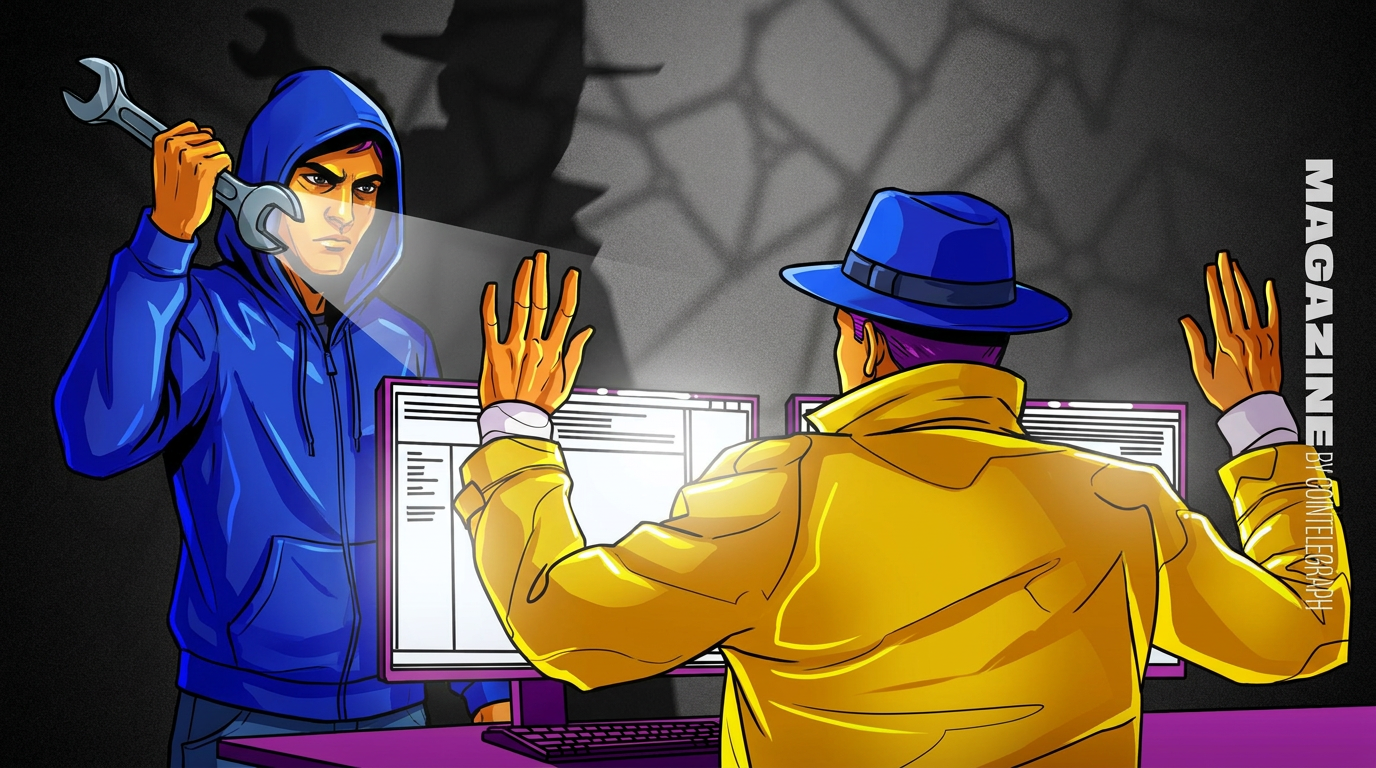
French authorities recorded 90 crypto-related cases involving kidnapping, extortion, threats and violent theft in seven months. What makes France such a hotspot?
Asanat Analysis — Why it matters
France's 90 recorded crypto-related violent incidents over seven months—roughly 3.9 per week—signals a structural vulnerability in how wealth is perceived and targeted in high-net-worth jurisdictions. Unlike exchange hacks or smart contract exploits, this reflects real-world criminal targeting of individuals holding self-custodied assets. The concentration suggests either exceptional reporting/prosecution (France's gendarmerie actively classifies these cases), genuine hotspot conditions, or both. Comparable data from other wealthy democracies would clarify whether this is France-specific or a global trend underreported elsewhere.
The phenomenon carries second-order implications for custody adoption. Rising physical security costs—bodyguards, safe houses, insurance—may accelerate institutional custody demand and exchange-based holdings, counteracting the self-custody ethos that birthed Bitcoin. It also signals regulatory opportunity: France could position itself as a leader in requiring proof-of-custody and multi-sig standards for high-value holders, similar to Switzerland's emerging wealth-protection frameworks. For portfolio holders in Europe, this underscores the operational security distinction between digital and physical asset security; encrypted private keys still require analog-world defense.