Google and Apple seek crypto talent as Big Tech eyes stablecoin and tokenization rails
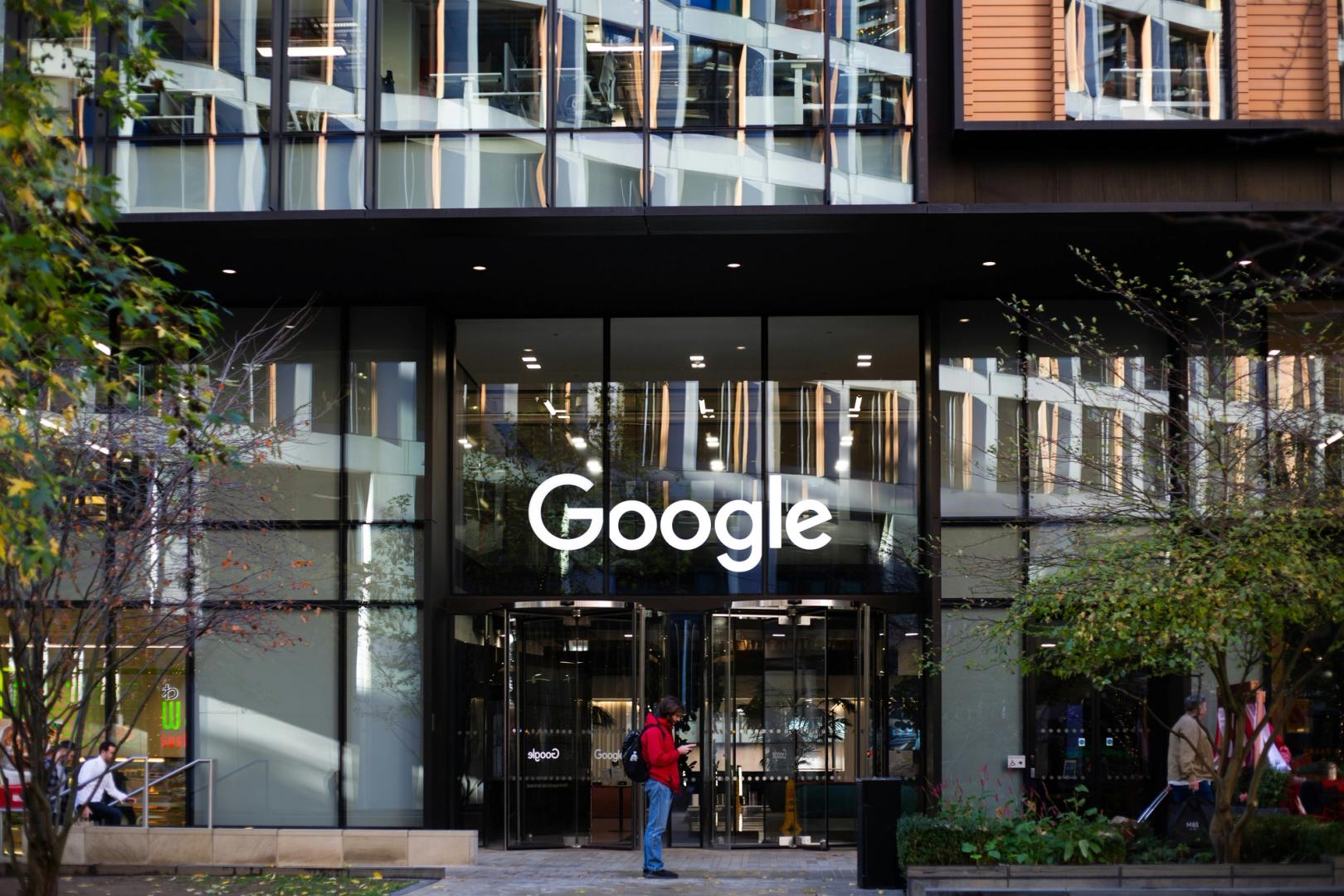
The tech giants’ job listings could indicate that they are separately pursuing experts in stablecoins and tokenized deposits for future projects.
Google and Apple are seeking employees with expertise in digital assets, adding to signs that Big Tech firms are preparing for a larger role for stablecoins, tokenization and blockchain-based payments.
Google Cloud is hiring an Industry Principal Architect in Hong Kong to work with protocol foundations, exchanges, custodians and financial institutions to tokenize real-world assets across the Asia-Pacific (APAC) region.
The role calls for experience with blockchain networks, smart contracts, stablecoin infrastructure, tokenized deposits and custody technologies. Google said the hire would advise executives and help shape its Web3 product roadmap as it seeks to become the preferred cloud provider for digital-asset builders and institutional adopters.
Apple is also expanding into digital assets. It is looking for an Apple Pay Financial Product Strategy Lead based in Cupertino, California or New York.
The listings do not confirm that either company is launching a new crypto product, but it does show that stablecoins and tokenized deposits are becoming relevant expertise inside two of the world’s largest tech and payments ecosystems, rather than remaining the preserve of crypto-native firms.
Apple’s role focuses on strategy for Apple Card, Apple Cash, peer-to-peer payments and other consumer financial products. The company is seeking someone to assess new products, partnerships and commercial models across wallets, payments and commerce.
Google’s job is more explicitly tied to digital assets. Its prospective architect would focus on cloud infrastructure, transaction-signing systems, blockchain nodes and compliance requirements in markets including Hong Kong.
CME Group, a marketplace for institutional derivatives trading, announced in March 2025 an expansion of its partnership with Google Cloud to explore asset tokenization and blockchain payments. It also announced the first phase of integration and testing of the Google Cloud Universal Ledger (GCUL).
The hiring notices follow Samsung’s plan to add stablecoin features to Galaxy smartphones through Samsung Wallet, a move that could give hundreds of millions of users access to digital-asset payment tools by default. Analysts told CoinDesk they see Samsung’s scale as a potential distribution advantage for stablecoins.
As stablecoins move into regulated finance, APAC is becoming a key proving ground. This report maps the region’s rules, use cases, and RLUSD’s role.
Asanat Analysis — Why it matters
Google and Apple's simultaneous hiring for crypto expertise signals a structural shift in how Big Tech views tokenization infrastructure. Rather than treating stablecoins and on-chain deposits as niche DeFi products, both are positioning themselves as potential rails operators—a move that mirrors their historical playbook of owning payment and financial rails (Google Pay, Apple Pay). This suggests they're evaluating whether blockchain-based settlement could capture margin or user lock-in that traditional payment networks currently hold.
The timing matters: both companies are recruiting after stablecoin regulatory frameworks matured (MiCA in EU, proposed US legislation) and as institutional tokenization gained traction post-2024. Their interest validates that tokenization is no longer theoretical—it's infrastructure-grade enough for capital-intensive incumbents to risk internal resources. However, talent acquisition alone doesn't guarantee product deployment; both companies have shelved crypto initiatives before when regulatory or strategic headwinds emerged. This could be exploratory R&D or genuine platform development.