NVIDIA details OpenShell reference architecture for AI agents
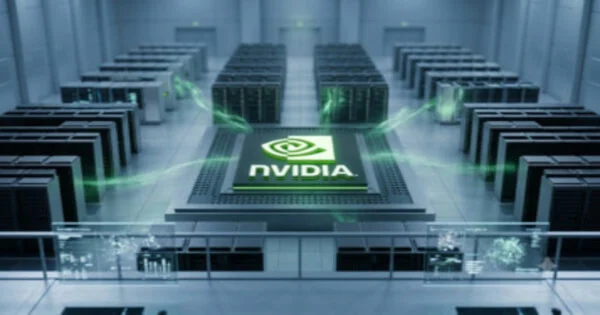
NVIDIA outlined OpenShell, Vera CPUs and BlueField-4 as a hardware-rooted stack for governing AI agent workloads on Oct. 21, 2026. (Read More)
Asanat Analysis — Why it matters
NVIDIA's OpenShell reference architecture signals a shift toward standardized infrastructure for AI agent deployment—a critical gap as the sector matures beyond research phases. By bundling Vera CPUs with BlueField-4 SmartNICs and defining governance protocols at the hardware level, NVIDIA is essentially packaging the stack that autonomous agents require: compute, networking isolation, and cryptographic policy enforcement. This matters because AI agents handling on-chain actions (token transfers, liquidations, governance votes) present novel security surface areas; hardware-rooted governance mitigates risks that pure software sandboxing cannot address.
The reference architecture move reflects industry recognition that AI agents will proliferate beyond chatbots into autonomous market participants. By providing a vetted blueprint, NVIDIA reduces friction for enterprises and protocols deploying agent infrastructure while establishing de facto standards. This has second-order effects: it likely accelerates adoption of agents in DeFi workflows (liquidations, arbitrage), increases demand for specialized infrastructure providers, and pressures competitors to offer comparable security guarantees. Historically, similar reference designs (e.g., for blockchain validators) became industry baselines within 18–24 months.