Russia’s largest bank Sberbank secures approval to trade crypto
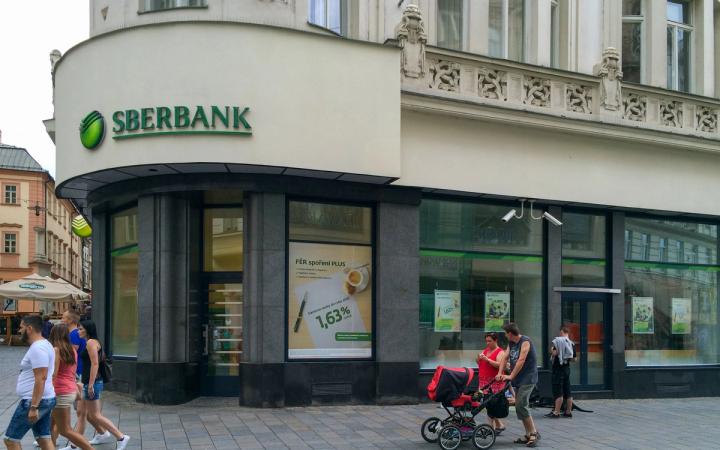
Sberbank plans to open crypto trading to all clients Dec. 1 and is already testing BTC, ETH and USDT trades in its app.
Russia’s largest bank, Sberbank, has received approval to exchange cryptocurrencies, advancing Moscow’s effort to bring crypto trading and custody into its regulated financial system.
The Bank of Russia added Sberbank to its register of cryptocurrency exchange providers, according to Interfax. The bank had already joined the digital depository register earlier this month, giving it a role in recording clients’ crypto holdings.
There are now nine organizations on the exchange register, including VTB and T-Invest Lab.
The approval marks another step away from the central bank’s 2022 proposal to ban domestic crypto exchanges and prohibit Russian financial intermediaries from handling cryptocurrencies. A law that took effect Sept. 1 instead creates a regulated market involving banks, brokers, exchanges and digital depositories.
The two registrations cover different parts of that market. Registered crypto dealers can buy and sell cryptocurrencies using their own funds outside organized exchanges, while depositories record ownership and transfers, according to the central bank.
The combination provides a route to offer both trading and custody-related services for Sberbank, having also started working on a crypto wallet earlier this year.
That opening comes with tighter control over how investors hold and move their coins. Domestic crypto payments remain prohibited, and the central bank says that from July of next year, crypto transactions will have to go through registered intermediaries. That would effectively shut out peer-to-peer transactions settled through Russian bank accounts.
Sberbank plans to debut its first products Dec. 1 through interfaces its customers already use, according to Interfax. The bank has been preparing crypto trading infrastructure.
The bank is already testing trades in BTC, ETH, USDT and other major tokens in its app, though the central bank will set the final list of permitted coins, Sberbank told Vedomosti.
Diversified RWA stablecoins sustain 5-7% yield from real credit as crypto funding compresses to ~4%. GENIUS pushes yield off-chain; TAM grows to $4B in 3 years.
Asanat Analysis — Why it matters
Sberbank's regulatory approval to offer crypto trading marks a significant shift in Russian institutional adoption, despite ongoing Western sanctions. The bank's December 1 rollout to all clients signals that major financial incumbents view crypto integration as operationally necessary rather than speculative—particularly in jurisdictions where traditional capital flows face restrictions. This follows similar moves by other sanctioned-economy banks seeking alternative settlement rails.
The selection of BTC, ETH, and USDT reflects pragmatic market depth priorities rather than retail experimentation. USDT dominance in sanctioned economies has grown precisely because it functions as a cross-border settlement layer when traditional banking fails. However, this approval occurs under geopolitical constraint, not organic market liberalization, which may limit long-term significance for global crypto adoption narratives. Regulatory acceptance in Russia does not indicate broader Western institutional momentum—it reflects necessity economics.