THORChain exec accuses Tether of temporarily freezing USDT vaults
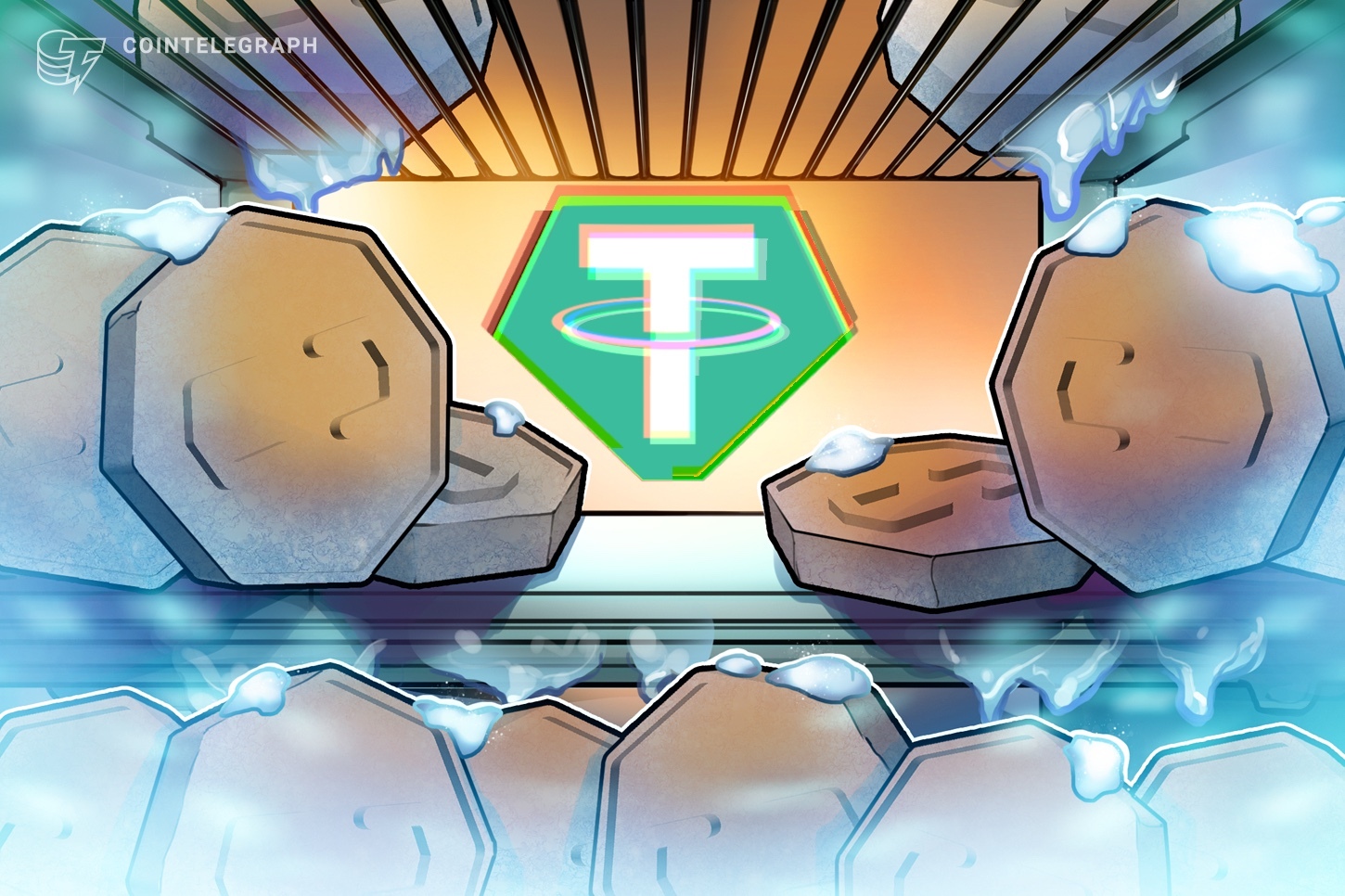
Chad Barraford, technical co-founder of the network, said that the funds were frozen and then unfrozen without explanation.
Asanat Analysis — Why it matters
THORChain's claim of USDT freezes, if substantiated, highlights a critical tension in cross-chain liquidity: centralized stablecoin issuers retain unilateral control over asset movement regardless of blockchain architecture. Tether has frozen addresses before (typically for compliance), but unexplained vault freezes on THORChain—a decentralized exchange aggregator—would signal either a technical miscommunication or deliberate action that bypasses the chain's consensus model. This undermines the core value proposition of chains designed to minimize custodial friction.
The incident carries precedent weight. Previous Tether freezes sparked debates about stablecoin resilience and regulatory capture. If THORChain's cross-chain bridge mechanics were disrupted without notice, it suggests Tether's operational decisions can cascade across multiple ecosystems. For liquidity providers and traders using THORChain for USDT pairs, this introduces a non-technical counterparty risk that cannot be mitigated by smart contracts—a structural vulnerability in bridges that depend on issuer-backed assets. Expect renewed pressure for USDC adoption or native stablecoin alternatives on THORChain.
Resolution and transparency from both parties will determine whether this becomes a systemic concern or an isolated operational hiccup. The narrative matters: unexplained actions erode confidence in stablecoin neutrality, even if technical explanations exist.