U.S. CFTC moves to fold event contracts into swaps regulations as legal fight rages
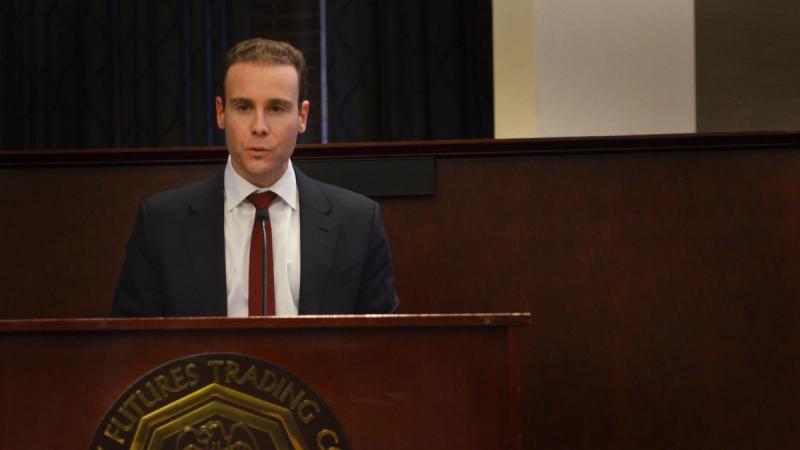
The derivatives regulator is proposing a formal rule to include certain contracts traded on platforms like Kalshi's as swaps that require the agency's oversight.
The U.S. Commodity Futures Trading Commission is making its pursuit of exclusive prediction markets authority a formal effort, putting a new definition in place on Friday and proposing other changes that collectively seek to secure the legal footing of events contracts as "swaps" — a transaction under the CFTC's authority and outside of state gambling regulators' reach.
The CFTC is trying to define the kind of sports wagering that are not swaps — contractual exchanges between parties that falls into the agency's federal jurisdiction — while maintaining that event contracts still fit the definition of swaps under the law, and as a result belong in CFTC oversight. Casino-style gambling will be held outside that swap definition, according to the interim final rule issued by the agency. And event contracts belong well within that swaps definition, the CFTC proposed in a related rule.
The "interim final" status of the one rule means it becomes immediate policy but will be open for public input as it's implemented. The other rule proposal explicitly folds "event contracts, including those based on sports, politics, cultural, and weather-related events" that are routinely traded on such firms as Kalshi and Polymarket into the existing U.S. regulation of swaps, but that rule effort is in the proposal stage, with a relatively brief 30-day comment period.
So far, many states and former federal government officials who had a hand in putting these laws in place have objected to the CFTC's interpretation, and they've already submitted their views this week to the U.S. Supreme Court, which has been asked to resolve the issue.
But if the CFTC is called to make its case there, the agency will now be able to show it has already begun implementing Chairman Mike Selig's regulatory view on prediction markets.
Several states are embroiled in lawsuits with the regulator as they insist they have authority over the kind of sports betting happening on the platforms, which many of the states have accused of running illegal gambling operations. In recent months, court decisions have gone both ways, including one federal appellate decision that opposed the states and two federal appellate rulings that supported them.
"We view this interim final rule as designed to improve the agency's position in court as the states are arguing that the CFTC's definition of a swap would make federally illegal any wager made at a state or tribal casino or sportsbook," wrote Jaret Seiberg, a policy analyst at TD Cowen, in a Friday note to clients. "Whether this actually works is a different question."
These actions had been submitted for White House review less than two weeks ago, showing an especially speedy process. But the agency had ample reason to try to answer legal critics of its position that prediction markets belong in its sole domain, and clarifying that casino-style gambling isn't the CFTC's business is part of that.
For their part, companies such as Kalshi are on the same side, trying to establish the CFTC as their only regulatory watchdog.
Selig, who is the lone commissioner on what's meant to be a five-member commission, is able to make decisions about the CFTC's policies on his own. So far, President Donald Trump has declined to name additional people to the CFTC. A similar situation has also been developing at the Securities and Exchange Commission, where that five-member group is currently at only two. Trump's administration has made a concerted effort to remove or limit the number of Democrats at regulatory agencies.
Diversified RWA stablecoins sustain 5-7% yield from real credit as crypto funding compresses to ~4%. GENIUS pushes yield off-chain; TAM grows to $4B in 3 years.
Asanat Analysis — Why it matters
The CFTC's move to reclassify event contracts as swaps represents a significant regulatory escalation in the ongoing jurisdictional battle over prediction markets. By proposing formal rulemaking rather than ad-hoc enforcement, the regulator is attempting to establish permanent authority over platforms like Kalshi that have operated in a legal gray zone. This signals the CFTC views event contracts—binary bets on outcomes like elections or economic data—as economically equivalent to traditional swaps and therefore subject to its full suite of requirements including central clearing, reporting, and position limits.
The regulatory move carries structural implications for DeFi and decentralized prediction markets. Formal CFTC oversight would impose compliance burdens that centralized platforms like Kalshi may absorb, but would effectively bar decentralized alternatives lacking the infrastructure for regulatory registration. This creates a competitive moat favoring regulated intermediaries and may push activity toward offshore or fully decentralized protocols outside U.S. jurisdiction. The legal fight itself—which Kalshi has been waging for years—remains unresolved, meaning the proposed rule could face court challenges that delay implementation, leaving the regulatory status of event contracts uncertain during a critical period for the sector's infrastructure development.
Historically, the CFTC has struggled to define jurisdiction over novel derivatives, most notably during the 2010s when it debated spot vs. derivative status for crypto assets. Formalizing rules around event contracts indicates learned bureaucratic strategy: moving from enforcement threats to codified regulation locks in authority even if individual legal cases falter.