Why this investment bank expects little demand for tokenized stocks despite SEC’s new trading rules
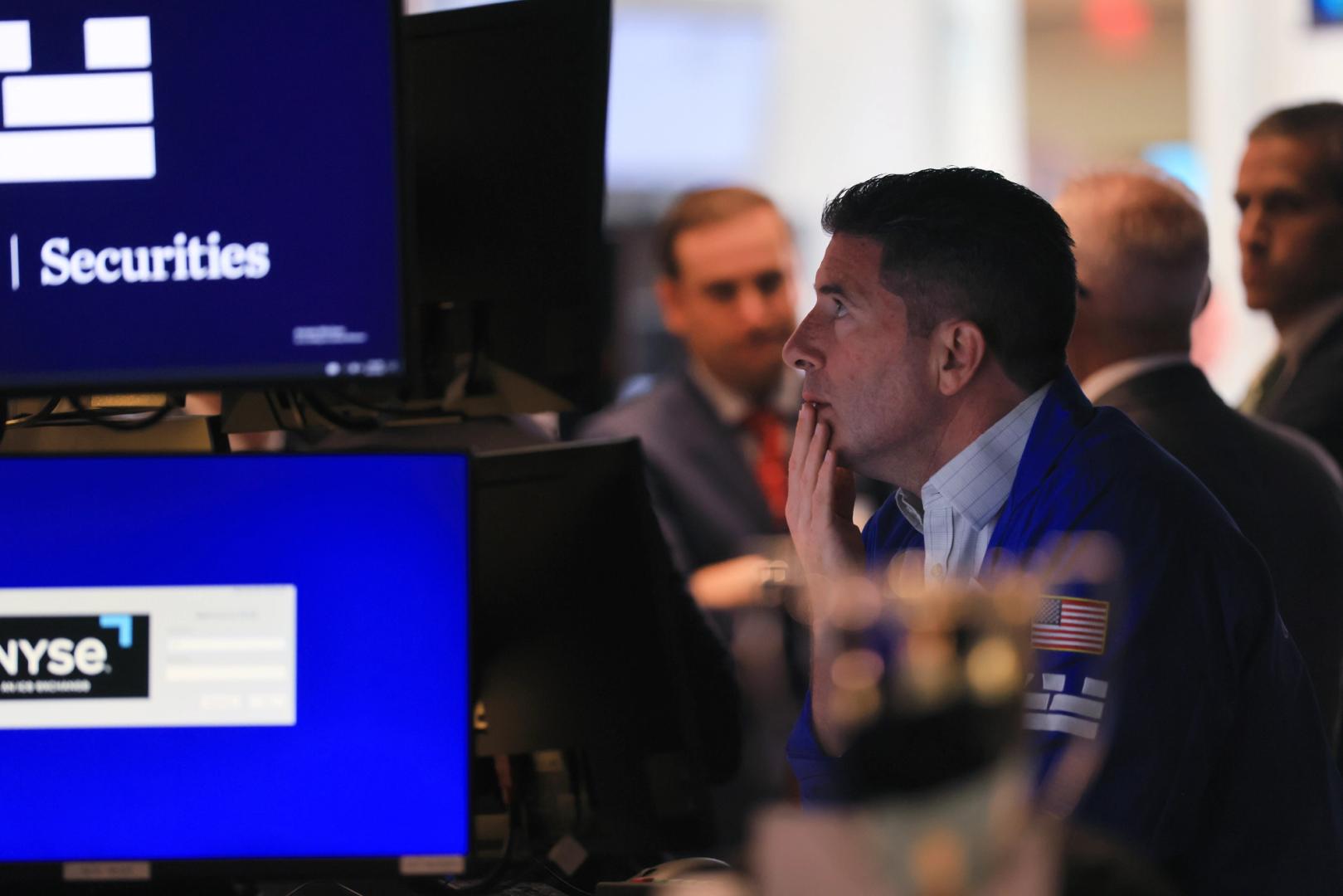
TD Cowen expects limited demand for tokenized stocks despite new SEC rules opening a path for trading outside traditional markets.
The Securities and Exchange Commission (SEC) opened a new path for tokenized stock trading in the U.S. last week, adding momentum to a technology that has swept through financial markets over the past year. TD Cowen, however, doesn’t expect investors to rush through the door.
The agency’s new Innovation Exemption creates a five-year framework for qualifying tokenized securities venues to operate automated market maker pools without registering as exchanges.
Certain liquidity providers can also avoid dealer registration, subject to conditions. The move came just days after the Clarity Act failed to advance, leaving broader crypto market structure legislation stalled.
But Reid Noch, vice president of U.S. equity market structure at TD Cowen, expects the new market to remain small, at least for now.
“We expect limited near-term adoption among both domestic retail investors and institutions,” Noch wrote in a paper on Friday. “U.S. investors already have efficient access to the underlying shares, and tokenized venues must offer a compelling benefit to offset limited liquidity and additional operational complexity.”
That gets to the central problem for tokenized stocks: they need to solve something the existing U.S. stock market doesn’t.
The SEC framework allows trading through automated market makers, or AMMs, rather than a traditional order book. An AMM holds pools of assets and uses preset rules to price trades. That could allow stock tokens to trade around the clock as long as a pool has enough assets.
But round-the-clock trading does not necessarily mean better trading, according to Noch, as thin liquidity can produce poor prices.
The SEC has also placed tight limits on its experiment. Tokens must represent NMS stocks and preserve the economic interest, dividends, voting rights and liquidation rights attached to the underlying shares. Third-party tokenizers must notify a company before trading its stock, giving the issuer 30 days to object. Trading volume is capped.
Those requirements could make the U.S. model harder to adopt than tokenized stock products already offered overseas.
“Our conversations with dozens of issuers, including several highly retail-facing, have revealed minimal interest in tokenizing their stocks outside crypto-adjacent companies such as Figure,” Noch wrote.
Figure offers a glimpse at the size of that hurdle. Its Nasdaq-listed FIGR shares trade alongside blockchain-native FGRS shares that carry the same economic exposure and voting rights. Yet 99.9% of Figure’s notional trading took place through its traditional listed shares during the 24-hour period examined by TD.
For crypto traders who want stock exposure, the bigger threat to traditional markets may come from somewhere else: perpetual futures.
TD found that 96% of Nvidia-related notional volume in a Binance snapshot came from perpetual futures, compared with 4% from spot products.
“As we continue to outline, we see perpetual futures as the stronger demand story,” Noch wrote. “We expect platforms to continue expanding these products internationally and domestically, reflecting retail investors’ interest in leverage.”
As stablecoins move into regulated finance, APAC is becoming a key proving ground. This report maps the region’s rules, use cases, and RLUSD’s role.
Asanat Analysis — Why it matters
TD Cowen's skepticism on tokenized stock demand reflects a structural mismatch between regulatory permission and market incentives. Even with SEC approval for off-exchange trading, tokenized equities lack compelling advantages over existing settlement infrastructure—T+1 or T+0 clearing already exists in traditional markets, while tokenization adds custody and operational complexity that institutional investors view as risk rather than benefit. The demand thesis relies on niche use cases (fractional ownership, 24/7 trading) that don't materially move capital allocation for large institutions.
This signals the tokenization narrative faces a demand-side, not supply-side, constraint. Regulatory approval is necessary but insufficient; it doesn't create buyers. The historical pattern mirrors other blockchain infrastructure plays—CBDC development, on-chain derivatives—where technical feasibility preceded sustainable adoption. For the broader sector, this suggests tokenized assets may remain peripheral until either regulatory friction in traditional markets materially worsens or token-native features (composability, programmability) generate genuinely novel financial products that can't exist in legacy systems.