Trump administration weighs a global stablecoin plan to cement dollar's dominance
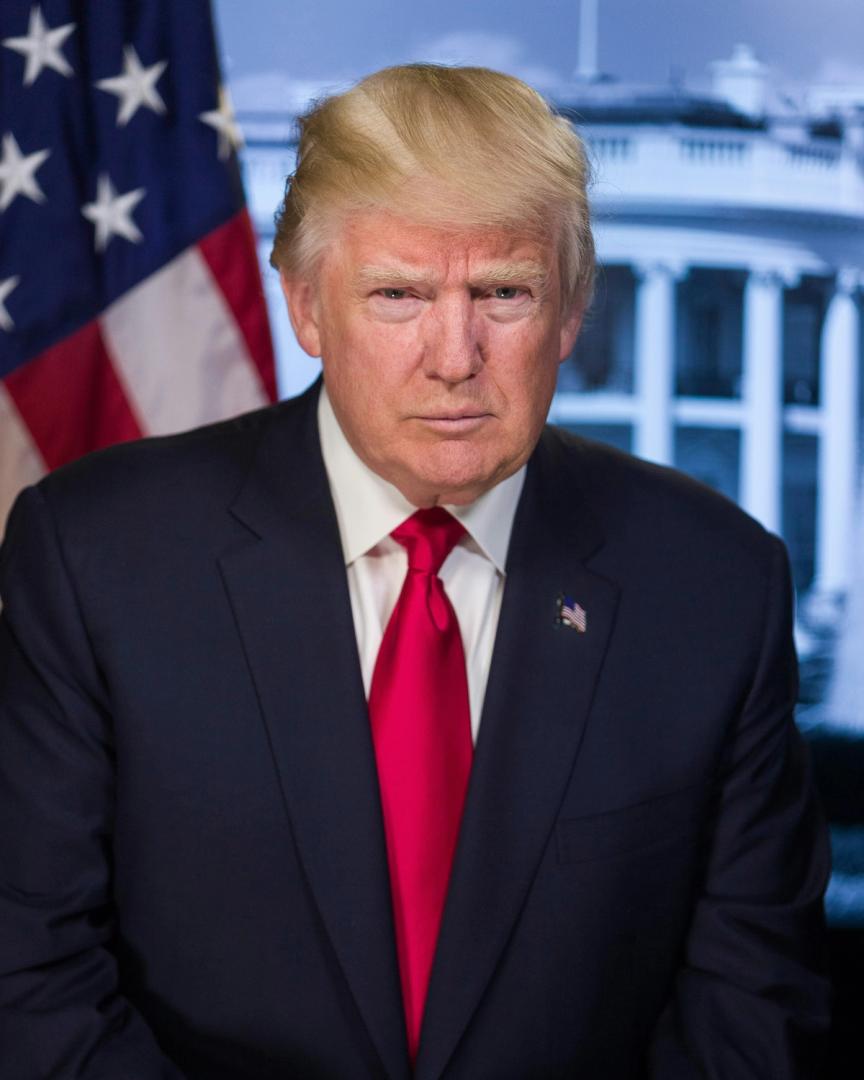
Washington is a mulling plan to actively promote USD-backed stablecoins worldwide in a bid to cement the greenback's global reserve status.
Washington is looking to leverage stablecoins to cement the U.S. dollar’s stature as the premier global reserve currency.
According to Bloomberg, the Trump administration is considering a plan involving joint ventures with private players to promote the use of dollar-backed stablecoins overseas. The aim is to boost the dollar’s dominance and source demand for U.S. Treasury notes.
Treasury and State Departments could play key roles in promoting U.S. dollar stablecoins globally, alongside the U.S. International Development Finance Corporation.
Stablecoins are blockchain-based digital tokens whose values are pegged to an external reference, such as the U.S. dollar. These tokens, therefore, are widely seen as the tokenize versions of the fiat currencies and are widely used to fund crypto trading and cross-border payments.
USDT and USDC, the world’s top two stablecoins, are pegged 1:1 to the U.S. dollar. Together, they account for almost 90% of the total stablecoin market value of $292.49 billion.
Investor confidence in stablecoins is tied to the issuer's ability to redeem them for fiat currency at any time. To ensure that, stablecoin companies keep backup funds to secure their value. They hold actual U.S. dollars at a 1:1 ratio, alongside safe investments like U.S. government debt that earns interest.
Under the U.S. Genius Act law, stablecoin issuers are required to hold reserves including dollars and short-term Treasuries. Treasury Secretary Scott Bessent recently described dollar-backed stablecoins as a tool supporting the dollar’s dominance, noting that the dollar accounts for nearly 90% of the foreign exchange transactions.
With aggregate holdings approaching $200 billion, stablecoin issuers are already among the top 20 holders of U.S. sovereign debt, leaving behind reserves of several major nations.
While such a plan may strengthen the dollar, it could also create severe risks for emerging economies with current-account deficits that are vulnerable to capital outflows.
Because stablecoins enable money to move over blockchains, they bypass traditional banking channels, making it harder for central banks and governments to monitor and influence those flows. If dollar-backed stablecoins achieve widespread adoption in everyday transactions, domestic fiat currencies could come under intense pressure.
Both the International Monetary Fund and Bank for International Settlements have repeatedly sounded alarm on how USD-pegged stablecoins may pose risks to emerging economies, warning that they could accelerate capital flight from these countries in times of stress.
As stablecoins move into regulated finance, APAC is becoming a key proving ground. This report maps the region’s rules, use cases, and RLUSD’s role.
Asanat Analysis — Why it matters
A coordinated US stablecoin strategy signals a policy reversal: rather than constraining crypto, the Trump administration frames USD stablecoins as geopolitical infrastructure to defend dollar hegemony against rival currencies and digital payment systems. This mirrors Cold War-era financial dominance tactics—extending dollar reach into new monetary channels before competitors (CBDC alternatives, rival stablecoins) fragment settlement authority.
The move carries second-order implications: regulatory clarity around USD stablecoins likely accelerates, reducing issuance friction for compliant players while marginalizing alternatives. However, it also invites retaliation—expect faster CBDC rollouts from EU, China, and emerging markets seeking to reduce dollar dependency. For crypto markets, this positions stablecoins as quasi-official financial infrastructure rather than alternative assets, potentially constraining their use in non-sanctioned corridors while legitimizing on-ramps for traditional finance.